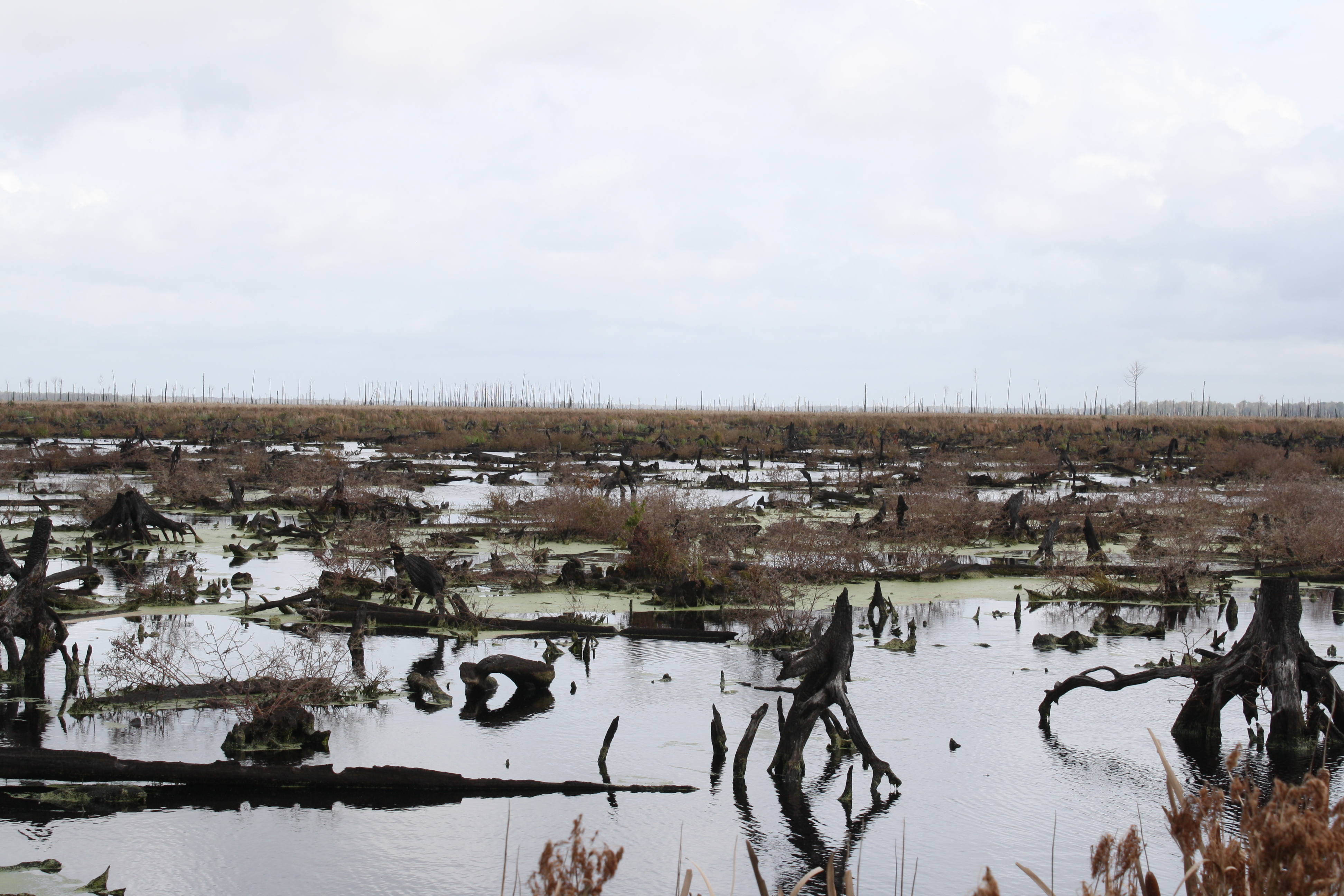
A severe heatwave has triggered drought conditions across more than half of England and sparked a massive wildfire in Suffolk [1].
These events highlight a critical failure in national infrastructure. Because the UK's building designs are historically optimized for cold rather than heat, the country remains vulnerable as climate change increases the frequency of extreme summer temperatures [5, 6].
In Suffolk, a large wildfire forced the evacuation of several hundred people [1]. The scale of the blaze varies by report, with estimates ranging from 140 [1] to 200 [2] football pitches. One unnamed holidaymaker said, "I was woken up by 'hammering' on my door and told to evacuate immediately" [2].
Temperature spikes have reached historic levels. In Merryfield, Somerset, officials provisionally recorded a temperature of 36.7 °C [3]. Meteorologists said that temperatures in southern England could reach 37 °C or higher during this period [4].
Beyond the immediate danger of fire, the environmental impact is widespread. Drought has now been declared across over 50% of England [1]. The combination of record heat, and water scarcity has pushed emergency services and local residents to their limits.
Experts suggest the crisis raises fundamental questions about the future of British living standards. One analyst asked if the country should embrace air conditioning despite the associated costs, and environmental consequences [7].
“Drought has now been declared across over 50% of England”
The convergence of record-breaking temperatures and widespread drought indicates that the UK's climate risk is no longer theoretical. The reliance on traditional building methods that trap heat—combined with a lack of widespread cooling infrastructure—transforms extreme weather from a meteorological event into a systemic public health and safety crisis.


