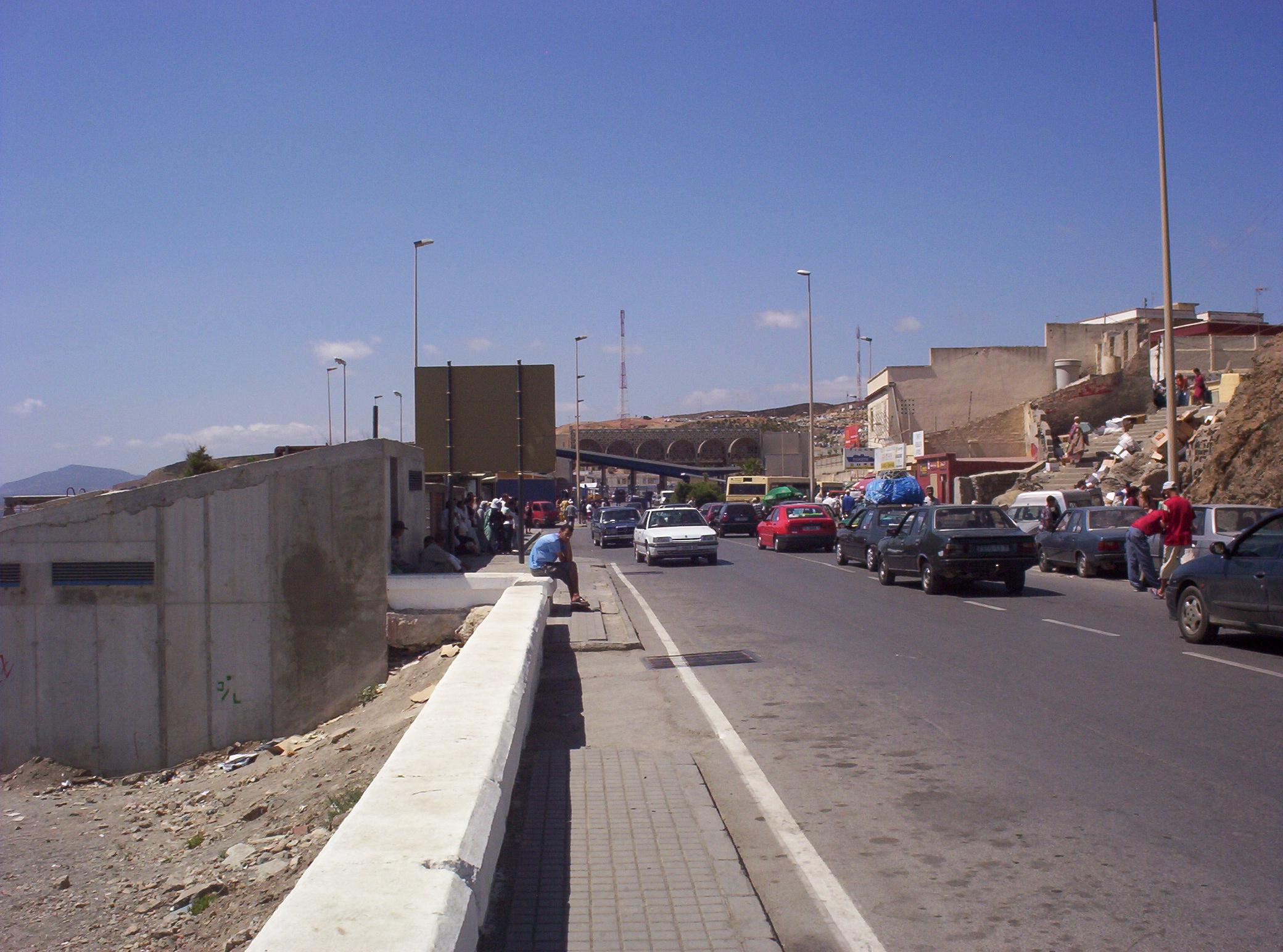
Thousands of Moroccan migrants have returned to Morocco after being pushed back from the Spanish enclave of Ceuta this week [1].
The mass movement highlights the precarious nature of the North African border and the humanitarian toll of attempted crossings into the European Union.
Spanish authorities report that over 48,300 migrants have returned to Morocco [2]. Other reports estimate the number of returnees at more than 48,000 [3]. This follows a period of extreme volatility where approximately 60,000 migrants surged toward the enclave over a few days [4]. In one instance, 50,000 migrants briefly stormed the territory, resulting in 57 deaths [5].
Those returning to Morocco described a scene of desperation. Migrants cited hunger, hostility, and general chaos within Ceuta as the primary reasons for their decision to leave [6]. The environment in the enclave became untenable for those who managed to breach the border [7].
"We are exhausted and just want to go home," said Youssef, a 32-year-old Moroccan migrant [8].
To manage the crisis, Spain deployed its military to the region. "Spain has deployed armed forces to restore order at the Ceuta border," said Spanish Defense Minister Margarita Robles [9]. The deployment aimed to stabilize the perimeter after thousands had breached the border in the latest wave [10].
Despite the return of thousands, international observers warn that the crisis is not fully resolved. "The situation remains volatile and humanitarian assistance is needed," said UNHCR spokesperson Maria Fernandez [11].
The returnees expressed feelings of disillusionment and disappointment upon crossing back into Moroccan territory [12]. Many had hoped for asylum or employment in Europe, only to face violence and deprivation at the border [6].
“"We are exhausted and just want to go home."”
The scale of this surge—with up to 60,000 people attempting to enter a small enclave—demonstrates the extreme pressure on Spain's external borders. The high death toll and the subsequent mass return of disillusioned migrants underscore the failure of current deterrence strategies to address the root causes of migration, while the deployment of the Spanish military signals a shift toward securitization over humanitarian management.


