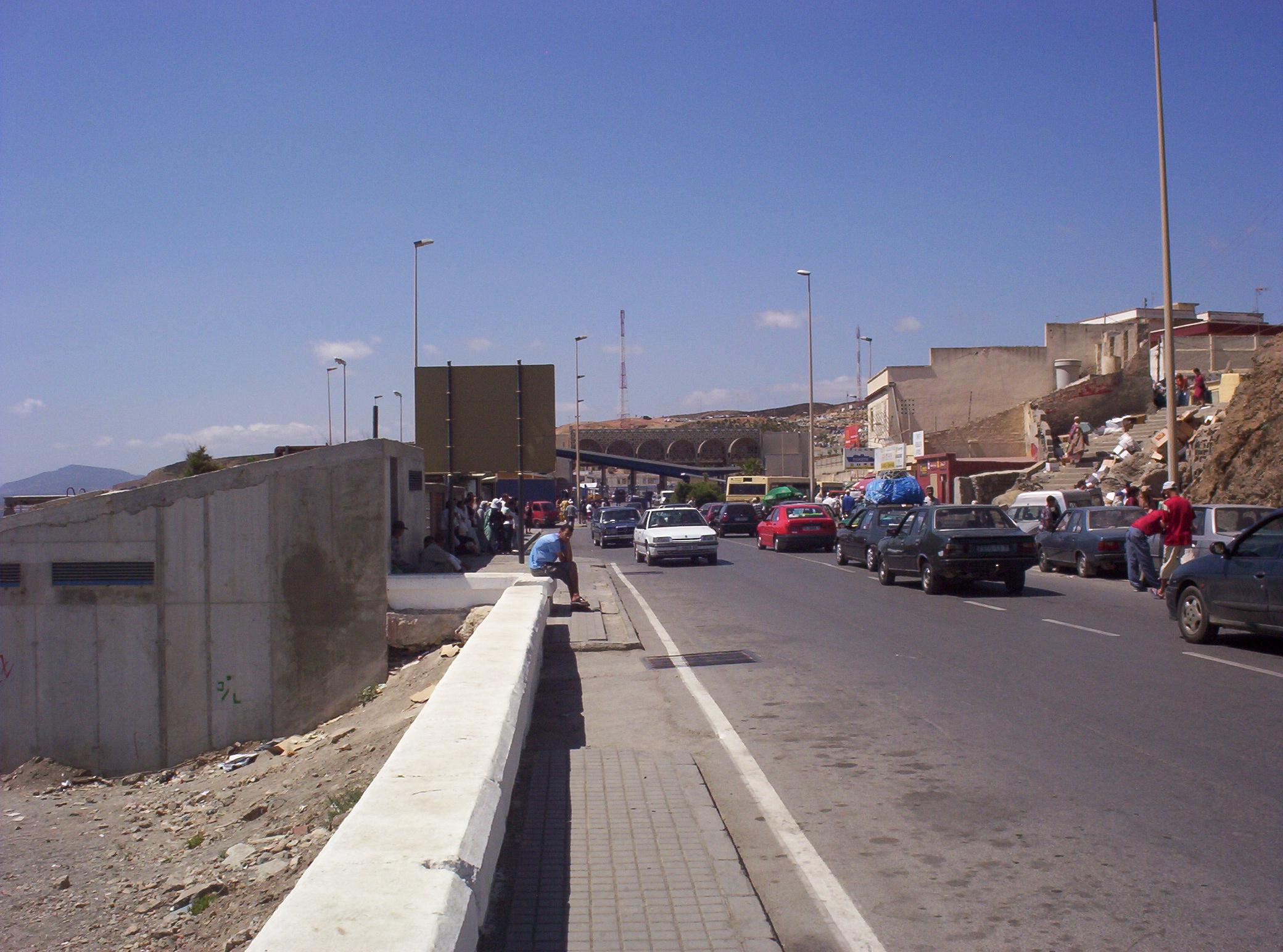
Spanish Prime Minister Pedro Sánchez condemned European Union allies for imposing border restrictions after thousands of migrants attempted to enter the Spanish enclave of Ceuta [1].
The dispute highlights deepening fractures within the Schengen free-travel area, as individual member states prioritize national security over collective EU migration agreements during crises.
A security crisis erupted when between 50,000 and 60,000 migrants [1] attempted to cross from Morocco into Ceuta. In response to the surge, Italy suspended Spain’s participation in the Schengen arrangement [2]. France also tightened its border controls to prevent further movement of migrants across its territory [2].
Sánchez said the actions of Italy and other EU members were "selfish, polarizing and unlawful" [3]. He said the response was fueled by prejudice and misinformation [2]. The Spanish leader called for a "shared responsibility" [2] among EU nations to manage the migration influx rather than isolating Spain.
Italy's measures have been reported as both a temporary suspension of the Schengen arrangement and the restoration of targeted checks on arrivals from Spain [2]. Regardless of the specific mechanism, the move effectively ended the seamless travel normally guaranteed between the two nations.
Sánchez said the unilateral border measures undermine the unity of the European project. He said the crisis in Ceuta is a European challenge that requires a coordinated response instead of fragmented national policies [2].
“"selfish, polarizing and unlawful"”
This confrontation underscores the fragility of the Schengen Agreement when faced with mass migration events. By suspending free travel, Italy and France are signaling a shift toward national sovereignty over EU integration, potentially creating a precedent where member states bypass collective treaties during perceived security emergencies.
'%2F%3E%0A%20%20%20%20%3Crect%20width%3D'1600'%20height%3D'900'%20fill%3D'url(%23v)'%2F%3E%0A%20%20%20%20%3Cg%20opacity%3D'0.08'%20fill%3D'%23ffffff'%3E%0A%20%20%20%20%20%20%3Ccircle%20cx%3D'1420'%20cy%3D'180'%20r%3D'220'%2F%3E%0A%20%20%20%20%20%20%3Ccircle%20cx%3D'1500'%20cy%3D'760'%20r%3D'120'%2F%3E%0A%20%20%20%20%3C%2Fg%3E%0A%20%20%20%20%3Cline%20x1%3D'80'%20y1%3D'172'%20x2%3D'220'%20y2%3D'172'%20stroke%3D'%23ffffff'%20stroke-width%3D'3'%20stroke-opacity%3D'0.6'%2F%3E%0A%20%20%20%20%3Ctext%20x%3D'80'%20y%3D'140'%20font-family%3D'Inter%2C%20-apple-system%2C%20Helvetica%2C%20sans-serif'%20font-weight%3D'700'%20font-size%3D'28'%20fill%3D'%23ffffff'%20letter-spacing%3D'6'%3EHANNA%20%C2%B7%20NEWS%3C%2Ftext%3E%0A%20%20%20%20%3Ctext%20x%3D'80'%20y%3D'230'%20font-family%3D'Inter%2C%20-apple-system%2C%20Helvetica%2C%20sans-serif'%20font-weight%3D'600'%20font-size%3D'40'%20fill%3D'%23ffffffb3'%20letter-spacing%3D'4'%3EWORLD%3C%2Ftext%3E%0A%20%20%20%20%3Ctext%20x%3D'80'%20y%3D'694'%20font-family%3D'Playfair%20Display%2C%20Georgia%2C%20serif'%20font-weight%3D'800'%20font-size%3D'110'%20fill%3D'%23ffffff'%20letter-spacing%3D'-1'%3ESarthe%20Winegrowers%20Shift%3C%2Ftext%3E%3Ctext%20x%3D'80'%20y%3D'820'%20font-family%3D'Playfair%20Display%2C%20Georgia%2C%20serif'%20font-weight%3D'800'%20font-size%3D'110'%20fill%3D'%23ffffff'%20letter-spacing%3D'-1'%3EGrape%20Harvest%20to%20August%3C%2Ftext%3E%0A%20%20%20%20%3Ctext%20x%3D'80'%20y%3D'870'%20font-family%3D'Inter%2C%20-apple-system%2C%20Helvetica%2C%20sans-serif'%20font-weight%3D'500'%20font-size%3D'22'%20fill%3D'%23ffffff66'%20letter-spacing%3D'2'%3Enews.hanna-ai.com%3C%2Ftext%3E%0A%20%20%3C%2Fsvg%3E)

