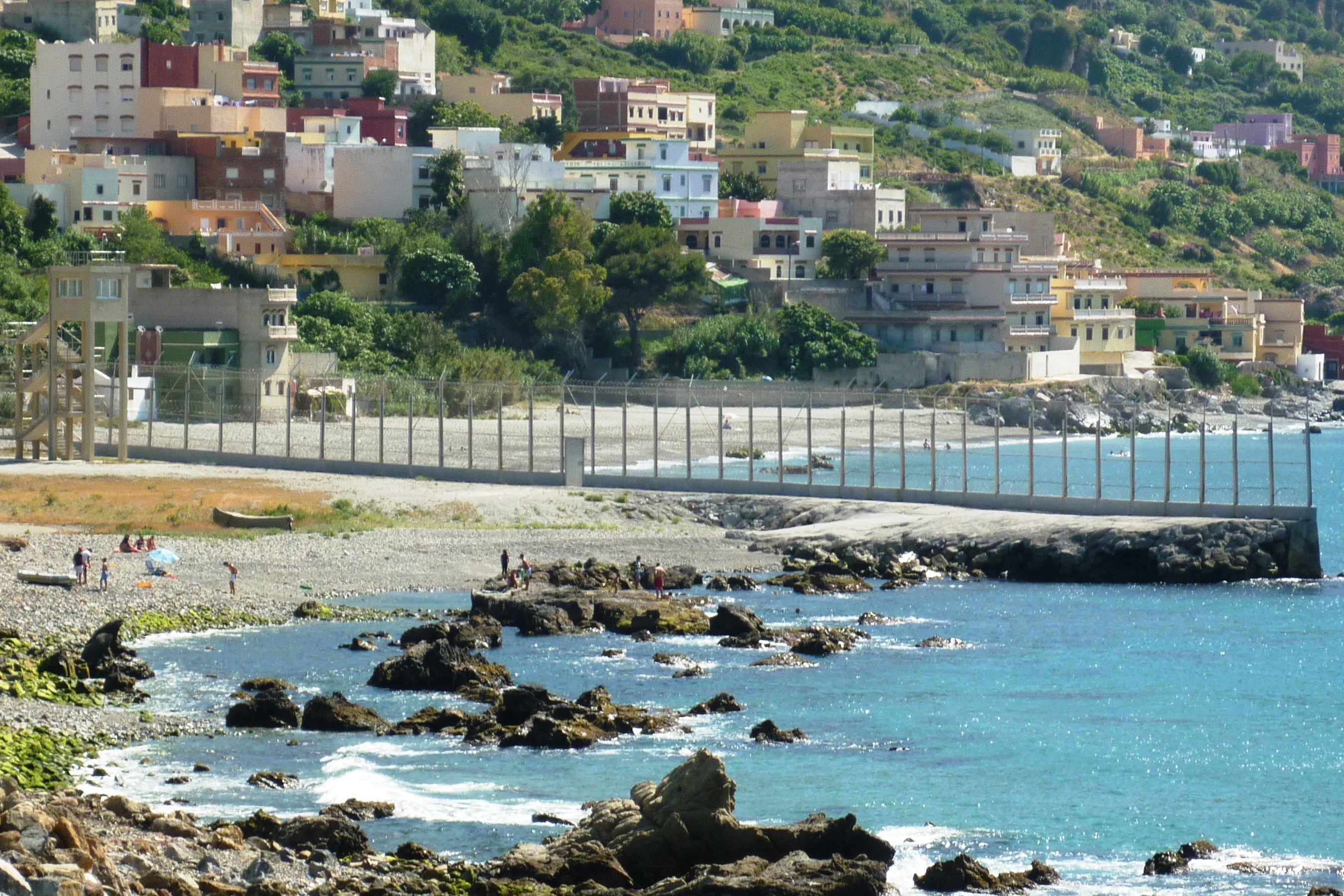
Spanish Prime Minister Pedro Sánchez condemned the mass crossing of migrants into Ceuta on Friday, calling the event a violation of territorial integrity.
The incident represents a severe humanitarian and diplomatic crisis for Spain. The sudden arrival of thousands of people in a small enclave underscores the fragile security of the border with Morocco and the volatility of regional migration patterns.
An estimated 60,000 migrants crossed from Morocco into the Spanish enclave within a 24-hour period [1]. This surge represents roughly 70% of Ceuta's total population [1]. The influx created immediate chaos and a humanitarian emergency on the North African coast.
Reports indicate that 57 migrants died during the crossing [4]. The scale of the movement overwhelmed local authorities and infrastructure in the border city.
Following the initial surge, approximately half of the arrivals—about 30,000 people—voluntarily returned to Morocco [2]. Other reports state that tens of thousands of migrants later left the territory voluntarily [5].
Sánchez said the event was a violation of territorial integrity. The Spanish government has focused on the rapid restoration of order, and the management of the remaining migrant population within the enclave.
“60,000 migrants crossed from Morocco into Ceuta within 24 hours”
The scale of this crossing suggests a potential shift in border control dynamics between Morocco and Spain. By framing the event as a violation of territorial integrity rather than a purely humanitarian issue, the Spanish government is signaling that it views the influx as a security breach, which may lead to increased militarization of the enclave's borders and strained diplomatic relations with Rabat.


