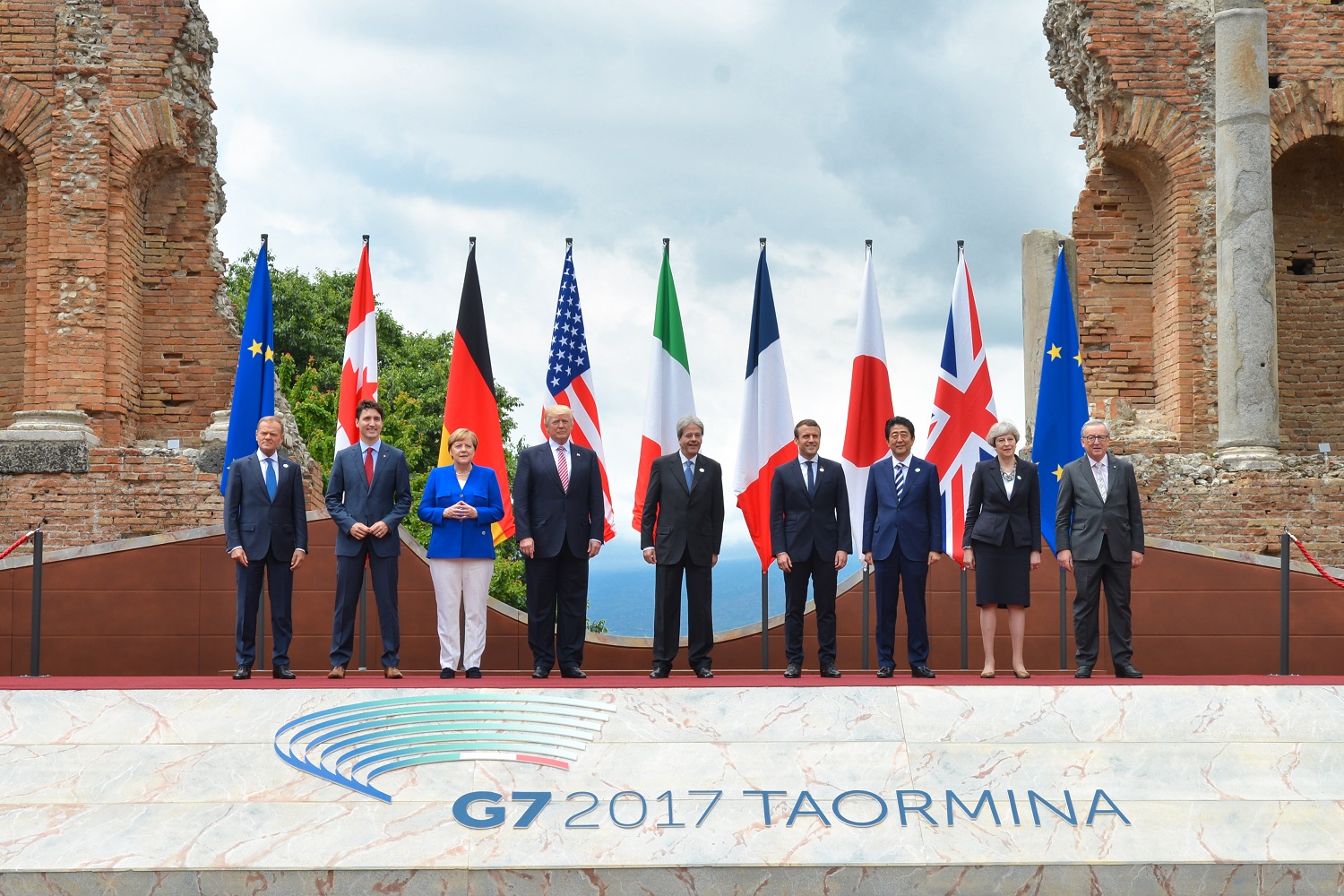
U.S. President Donald Trump said he was not happy with Israel's bombing of Lebanon during the G7 summit in Bordeaux, France [1, 2].
The comments signal a potential shift in the relationship between the U.S. and Israel, as Trump publicly questioned the strategy of a key ally during a high-profile international gathering.
Trump directed his criticism toward Israeli Prime Minister Benjamin Netanyahu, saying that Netanyahu needs to be more responsible [1]. The president linked his dissatisfaction to the ongoing civilian casualties resulting from the strikes, and the prolonged nature of the conflict with Hezbollah [4].
"I'm not happy with Israel over its bombing of Lebanon," Trump said [1]. He said that Israel is fighting Hezbollah too long [3].
Reports on the nature of the exchange vary among sources. Some accounts describe the remarks as a bold reprimand delivered in front of world leaders at the G7 [2]. Other reports suggest the tension stemmed from a heated phone call between the two leaders, leading to conflicting accounts of the operation in Lebanon [5].
Despite these contradictions, the president's stated position remains that the current military approach is prolonging the war [4]. The remarks come as international pressure mounts for a resolution to the hostilities in the region.
“"I'm not happy with Israel over its bombing of Lebanon."”
These statements suggest a growing friction between the US administration and the Israeli government regarding the duration and humanitarian cost of the conflict with Hezbollah. By publicly urging Prime Minister Netanyahu to be more responsible, Trump is signaling that continued military escalation in Lebanon may no longer align with US strategic interests or diplomatic goals at the G7 level.
'%2F%3E%0A%20%20%20%20%3Crect%20width%3D'1600'%20height%3D'900'%20fill%3D'url(%23v)'%2F%3E%0A%20%20%20%20%3Cg%20opacity%3D'0.08'%20fill%3D'%23ffffff'%3E%0A%20%20%20%20%20%20%3Ccircle%20cx%3D'1420'%20cy%3D'180'%20r%3D'220'%2F%3E%0A%20%20%20%20%20%20%3Ccircle%20cx%3D'1500'%20cy%3D'760'%20r%3D'120'%2F%3E%0A%20%20%20%20%3C%2Fg%3E%0A%20%20%20%20%3Cline%20x1%3D'80'%20y1%3D'172'%20x2%3D'220'%20y2%3D'172'%20stroke%3D'%23ffffff'%20stroke-width%3D'3'%20stroke-opacity%3D'0.6'%2F%3E%0A%20%20%20%20%3Ctext%20x%3D'80'%20y%3D'140'%20font-family%3D'Inter%2C%20-apple-system%2C%20Helvetica%2C%20sans-serif'%20font-weight%3D'700'%20font-size%3D'28'%20fill%3D'%23ffffff'%20letter-spacing%3D'6'%3EHANNA%20%C2%B7%20NEWS%3C%2Ftext%3E%0A%20%20%20%20%3Ctext%20x%3D'80'%20y%3D'230'%20font-family%3D'Inter%2C%20-apple-system%2C%20Helvetica%2C%20sans-serif'%20font-weight%3D'600'%20font-size%3D'40'%20fill%3D'%23ffffffb3'%20letter-spacing%3D'4'%3EWORLD%3C%2Ftext%3E%0A%20%20%20%20%3Ctext%20x%3D'80'%20y%3D'622'%20font-family%3D'Playfair%20Display%2C%20Georgia%2C%20serif'%20font-weight%3D'800'%20font-size%3D'86'%20fill%3D'%23ffffff'%20letter-spacing%3D'-1'%3ESteven%20Spielberg%20Promotes%3C%2Ftext%3E%3Ctext%20x%3D'80'%20y%3D'721'%20font-family%3D'Playfair%20Display%2C%20Georgia%2C%20serif'%20font-weight%3D'800'%20font-size%3D'86'%20fill%3D'%23ffffff'%20letter-spacing%3D'-1'%3ENew%20Alien%20Conspiracy%20Film%3C%2Ftext%3E%3Ctext%20x%3D'80'%20y%3D'820'%20font-family%3D'Playfair%20Display%2C%20Georgia%2C%20serif'%20font-weight%3D'800'%20font-size%3D'86'%20fill%3D'%23ffffff'%20letter-spacing%3D'-1'%3EDisclosure%20Day%3C%2Ftext%3E%0A%20%20%20%20%3Ctext%20x%3D'80'%20y%3D'870'%20font-family%3D'Inter%2C%20-apple-system%2C%20Helvetica%2C%20sans-serif'%20font-weight%3D'500'%20font-size%3D'22'%20fill%3D'%23ffffff66'%20letter-spacing%3D'2'%3Enews.hanna-ai.com%3C%2Ftext%3E%0A%20%20%3C%2Fsvg%3E)