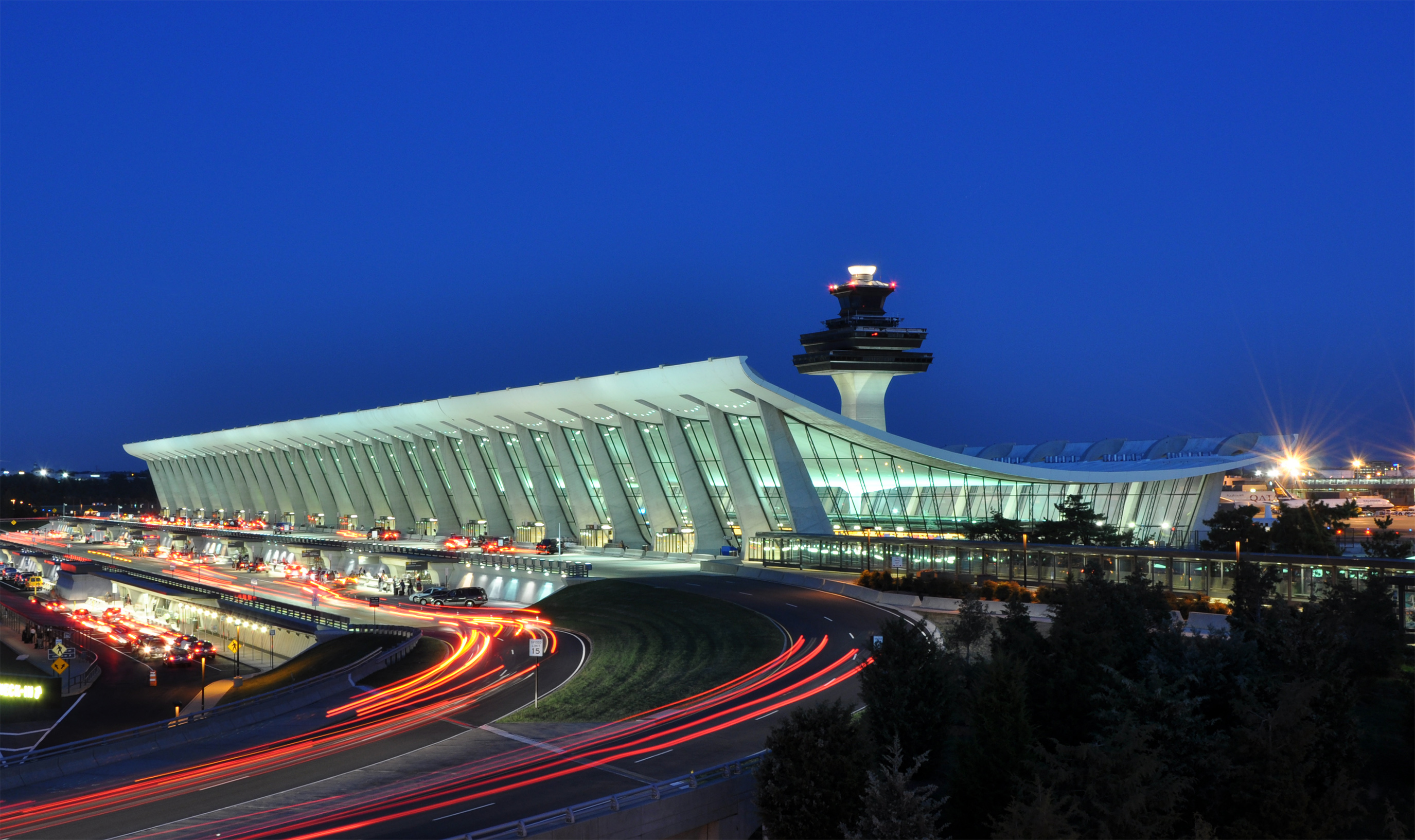
Washington Dulles International Airport has unveiled a plan for a modernization project valued at more than $20 billion [1].
The overhaul aims to replace the airport's signature mobile lounges, large vehicles that ferry passengers to distant gates, with a high-capacity transit system. This shift is intended to modernize passenger flow and increase overall efficiency at the Virginia hub [1].
The proposed project, estimated at $22.5 billion [2], focuses on reorganizing how travelers move through the terminal. The plan includes the implementation of an expanded train system, a central walking tunnel, and the addition of moving walkways [3]. These updates are designed to eliminate the reliance on mobile lounges, which have long been a defining but aging characteristic of the airport's infrastructure [1].
In addition to the transit upgrades, the project involves the expansion of concourses to accommodate more travelers. Reports indicate the overhaul could involve up to five million square feet of development [4]. By transitioning to a rail-based system and walking tunnels, the airport expects to streamline the boarding process and reduce the time passengers spend in transit between the main terminal and their aircraft [3].
Construction for the massive revival could begin as early as spring 2027 [1]. The timeline suggests a multi-year transition as the airport moves away from its mid-century design toward a more traditional hub-and-spoke layout with integrated rail access.
Officials said the project is a necessary step to ensure the airport can handle future growth in passenger volume while maintaining a competitive edge among East Coast aviation hubs [1].
“Goodbye mobile lounges: Here comes Washington Dulles’ $20+ billion revival”
The retirement of the mobile lounges marks the end of a unique architectural era for Dulles. By shifting to a train and tunnel system, the airport is prioritizing throughput and scalability over its original design philosophy, aligning itself with the operational standards of other major international gateways to reduce bottlenecks.

'%2F%3E%0A%20%20%20%20%3Crect%20width%3D'1600'%20height%3D'900'%20fill%3D'url(%23v)'%2F%3E%0A%20%20%20%20%3Cg%20opacity%3D'0.08'%20fill%3D'%23ffffff'%3E%0A%20%20%20%20%20%20%3Ccircle%20cx%3D'1420'%20cy%3D'180'%20r%3D'220'%2F%3E%0A%20%20%20%20%20%20%3Ccircle%20cx%3D'1500'%20cy%3D'760'%20r%3D'120'%2F%3E%0A%20%20%20%20%3C%2Fg%3E%0A%20%20%20%20%3Cline%20x1%3D'80'%20y1%3D'172'%20x2%3D'220'%20y2%3D'172'%20stroke%3D'%23ffffff'%20stroke-width%3D'3'%20stroke-opacity%3D'0.6'%2F%3E%0A%20%20%20%20%3Ctext%20x%3D'80'%20y%3D'140'%20font-family%3D'Inter%2C%20-apple-system%2C%20Helvetica%2C%20sans-serif'%20font-weight%3D'700'%20font-size%3D'28'%20fill%3D'%23ffffff'%20letter-spacing%3D'6'%3EHANNA%20%C2%B7%20NEWS%3C%2Ftext%3E%0A%20%20%20%20%3Ctext%20x%3D'80'%20y%3D'230'%20font-family%3D'Inter%2C%20-apple-system%2C%20Helvetica%2C%20sans-serif'%20font-weight%3D'600'%20font-size%3D'40'%20fill%3D'%23ffffffb3'%20letter-spacing%3D'4'%3EBUSINESS%3C%2Ftext%3E%0A%20%20%20%20%3Ctext%20x%3D'80'%20y%3D'622'%20font-family%3D'Playfair%20Display%2C%20Georgia%2C%20serif'%20font-weight%3D'800'%20font-size%3D'86'%20fill%3D'%23ffffff'%20letter-spacing%3D'-1'%3EGenomOncology%20Launches%3C%2Ftext%3E%3Ctext%20x%3D'80'%20y%3D'721'%20font-family%3D'Playfair%20Display%2C%20Georgia%2C%20serif'%20font-weight%3D'800'%20font-size%3D'86'%20fill%3D'%23ffffff'%20letter-spacing%3D'-1'%3EWhole-Genome%20Sequencing%3C%2Ftext%3E%3Ctext%20x%3D'80'%20y%3D'820'%20font-family%3D'Playfair%20Display%2C%20Georgia%2C%20serif'%20font-weight%3D'800'%20font-size%3D'86'%20fill%3D'%23ffffff'%20letter-spacing%3D'-1'%3EWorkflow%20with%20PacBio%3C%2Ftext%3E%0A%20%20%20%20%3Ctext%20x%3D'80'%20y%3D'870'%20font-family%3D'Inter%2C%20-apple-system%2C%20Helvetica%2C%20sans-serif'%20font-weight%3D'500'%20font-size%3D'22'%20fill%3D'%23ffffff66'%20letter-spacing%3D'2'%3Enews.hanna-ai.com%3C%2Ftext%3E%0A%20%20%3C%2Fsvg%3E)
