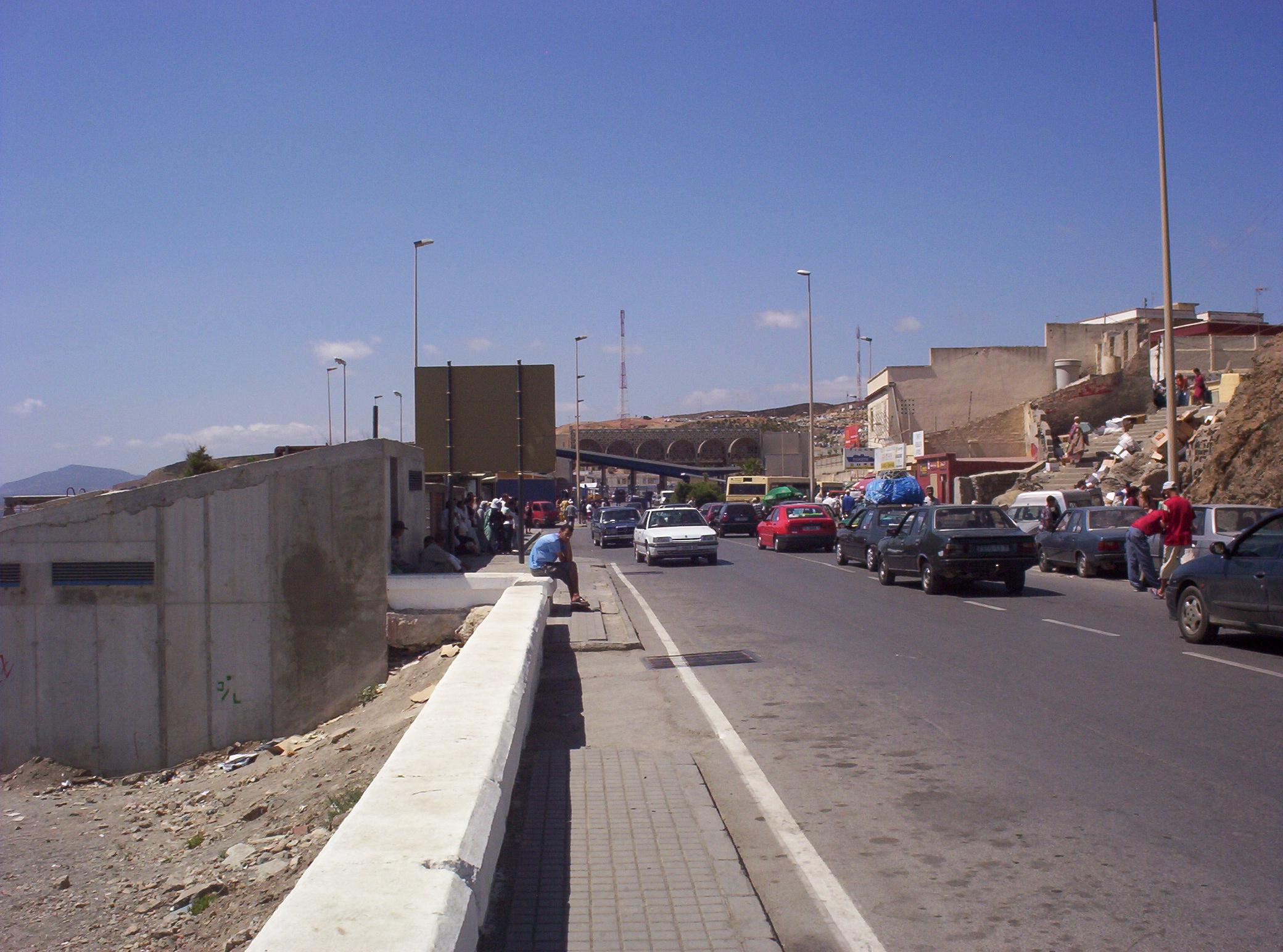
Ceuta city authorities are attempting to restore order and normality following a migration crisis that triggered a citywide lockdown on Saturday [1].
This recovery effort marks a critical transition for the Spanish enclave on the north coast of Africa, where security concerns recently overrode cultural traditions and commerce. The instability has disrupted the social fabric of the city and halted one of its most significant annual events.
Authorities cancelled the annual Virgin of Africa festivities as part of the emergency response [1]. The city was placed under a lockdown that lasted more than 24 hours [1] to manage the aftermath of the migration crisis [1].
As of Saturday, shops and restaurants have begun to reopen, though officials said the return to normality is being handled with caution [1]. The gradual lifting of restrictions follows a period of intense pressure on the city's infrastructure and security forces.
Local businesses are resuming operations while authorities continue to monitor the situation to prevent further instability. The decision to scrap the festivities reflects the severity of the security environment facing the enclave [1].
“Ceuta city authorities are attempting to restore order and normality following a migration crisis.”
The suspension of the Virgin of Africa festivities and the imposition of a lockdown highlight the fragility of security in Ceuta. As a Spanish enclave bordering Morocco, the city often serves as a flashpoint for migration pressures; the decision to prioritize security over cultural heritage suggests a high level of perceived risk regarding public order.


