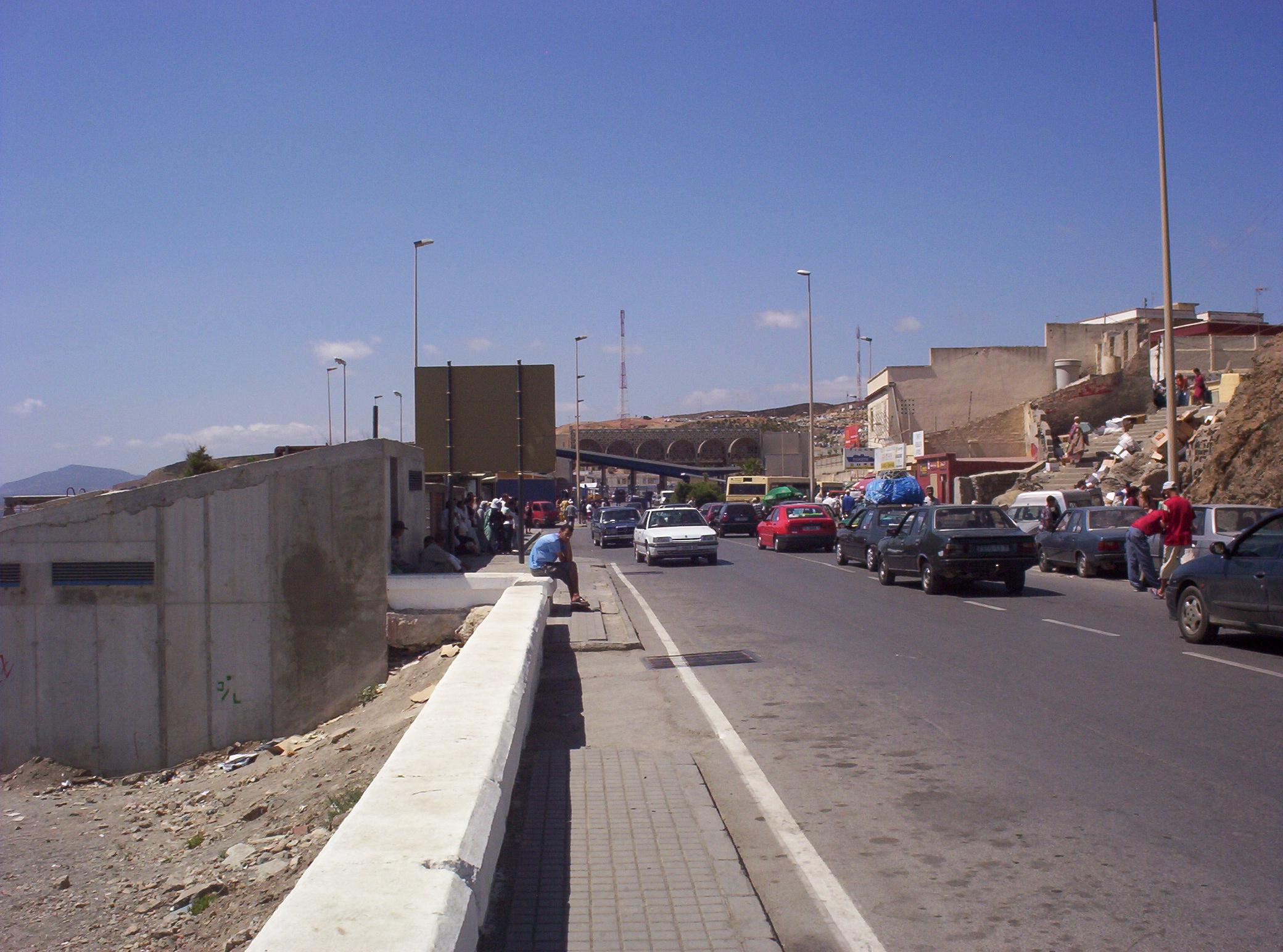
Thousands of migrants crossed from Morocco into the Spanish enclave of Ceuta in late July, sparking a new migration crisis [1].
The surge underscores the volatility of the only land border between the European Union and Africa. These events highlight the ongoing struggle to balance border security with humanitarian obligations during mass migration events.
Spanish authorities said that many of the individuals who entered the enclave were later returned to Morocco [1]. The influx resulted in several deaths, though the exact number of casualties was not specified in initial reports [1]. In response to the surge, Spain tightened border controls to prevent further unauthorized entries [1].
Descriptions of the event vary among officials and observers. Some reports characterize the surge as a migration-driven attack on the borders of Spain [2]. Other accounts suggest the crisis is tied to broader political tensions, with a Spanish minister attributing the situation to Israel following criticism from an Israeli UN ambassador [3].
Migrants utilized both land crossings and dramatic sea crossings to reach the enclave [4]. Many of the arrivals expressed a desire to enter Europe, viewing Ceuta as a primary gateway to the continent [4]. The situation has led to a heightened security presence in the region as Madrid manages the aftermath of the influx [1].
Spanish officials have focused on the logistics of the mass returns while attempting to stabilize the border area [1]. The sudden nature of the movement created immediate pressure on local infrastructure, and security forces in the North African territory [4].
“Thousands of migrants crossed from Morocco into the Spanish enclave of Ceuta”
The crisis in Ceuta demonstrates how migration routes can be influenced by both humanitarian desperation and geopolitical friction. The contradiction in narratives—ranging from a security breach to a politically motivated event—suggests that the border is not only a physical barrier but a flashpoint for diplomatic tensions between Spain, Morocco, and international actors.