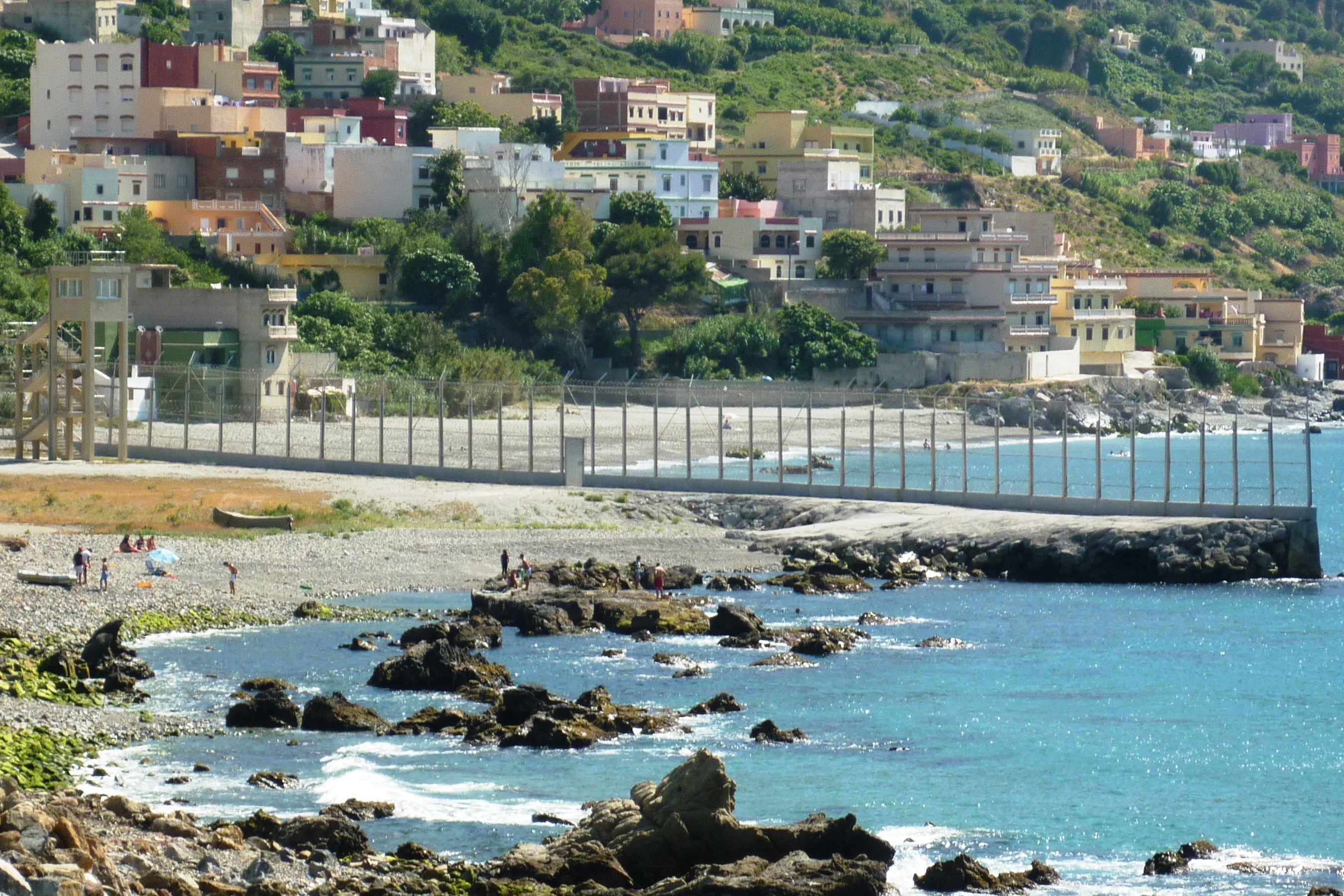
The European Union has called an emergency ministers meeting for Tuesday to address a sudden surge of Moroccan migrants crossing into Ceuta [1].
The crisis puts pressure on the EU to coordinate a unified response to border security and migrant management. The situation has escalated quickly, prompting a rare level of urgency among member states to prevent further unauthorized entries into the Spanish exclave.
The meeting is being convened under the Council presidency held by Ireland [1]. Spanish Prime Minister Pedro Sánchez is centrally involved in the discussions as the Spanish enclave on the North African coast faces an unprecedented influx of people [1].
According to reports, tens of thousands [1] of Moroccan migrants crossed into Ceuta during the previous week. The scale of the movement has triggered significant alarm across the bloc, leading to a formal request for immediate intervention.
The emergency talks follow a joint letter signed by 22 [2] EU member states. These 22 [2] leaders said urgent action is needed to strengthen EU border controls to manage the crisis, and secure the external perimeter of the union [2].
While some reports suggest migrants were returned to Morocco after the surge, other accounts focus on the sheer volume of the crossing that necessitated the emergency summit [1]. The EU Council will now determine if temporary measures or long-term policy changes are required to stabilize the border in Ceuta.
“The European Union has called an emergency ministers meeting for Tuesday to address a sudden surge of Moroccan migrants crossing into Ceuta.”
This emergency summit reflects the ongoing tension between EU member states regarding border sovereignty and collective migration policy. The fact that 22 nations signed a joint letter indicates a broad consensus that current border controls are insufficient. The outcome of these talks may lead to increased funding for Frontex or a shift in how the EU coordinates with North African nations to manage migration flows.


