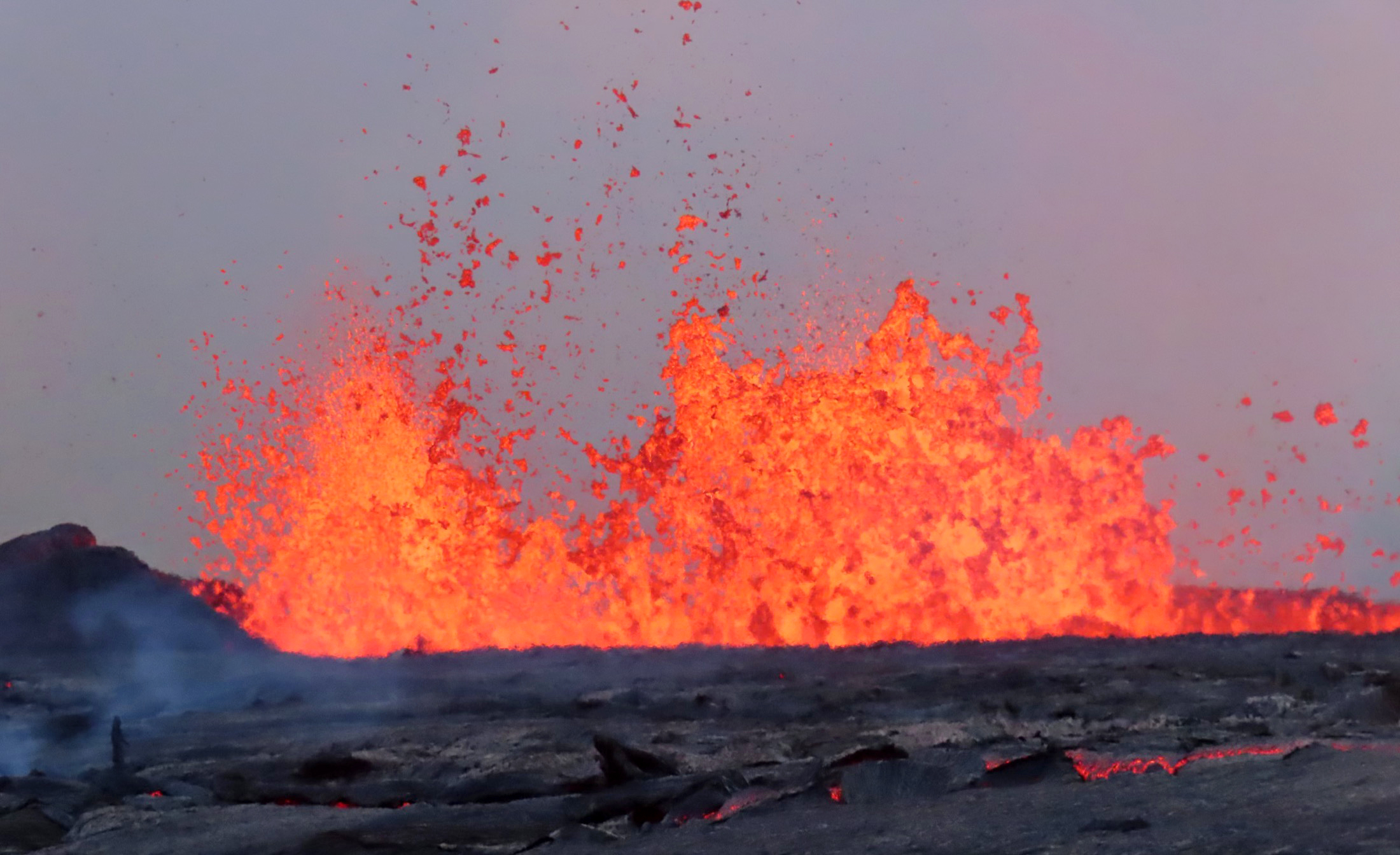
Global fire emissions fell to a record low in July 2026 [1], even as wildfires in Europe, Canada, and the U.S. reached unusual intensity [1, 2].
This divergence highlights a complex global climate trend where localized disasters increase in severity while overall planetary burning decreases. The contrast suggests that regional climate drivers are now decoupling from global emission averages, creating high-risk zones in the West despite a general decline elsewhere.
Wildfires across Europe and North America have approached record levels this month [2, 3]. Experts said that climate-related factors and specific land-use practices are intensifying these regional blazes. These fires are characterized by their extreme behavior, which poses significant threats to infrastructure and human life in these regions [2].
Conversely, the total volume of global fire emissions has dropped [1]. This decline is primarily attributed to reduced burning in Africa and Asia [2]. Because these two continents typically contribute a massive volume of smoke and carbon to the atmosphere through seasonal agricultural burning and natural fires, their relative quiet has pushed the global total to a record low [1, 2].
Climate scientists and fire-emission experts said that human activities are driving these opposite trends [2]. While the reduction in African and Asian burning lowers the global carbon footprint from fires, it does not mitigate the immediate danger facing the U.S. and Europe. The intensification in the West reflects a growing vulnerability to extreme heat and drought [2].
Satellite measurements covering Africa, Asia, Europe, and North America confirm this split in data [2]. The current season demonstrates that a global average can mask critical regional crises, a phenomenon that complicates international climate response efforts [1, 3].
“Global fire emissions fell to a record low in July 2026”
The contrast between record-low global emissions and record-high regional intensity indicates that wildfire risk is becoming more concentrated. While a decrease in burning in Africa and Asia helps stabilize global atmospheric carbon levels in the short term, it does not offset the increasing volatility of fire weather in North America and Europe. This suggests that regional adaptation and firefighting infrastructure must be scaled independently of global trends.