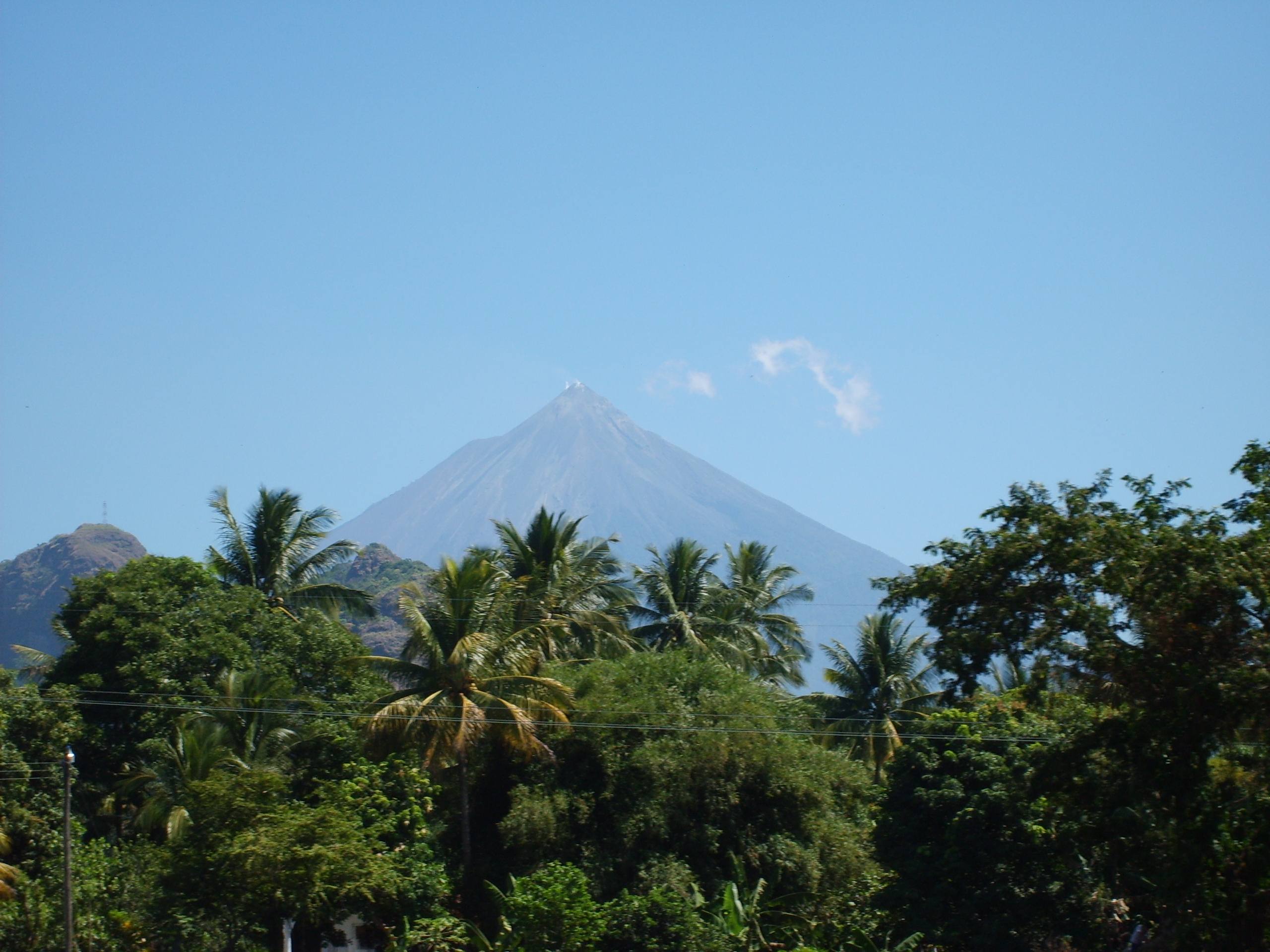
Residents began returning to their villages on Wednesday after volcanic activity at Guatemala's Fuego volcano subsided [1].
The return comes after a period of high alert that displaced thousands of people. While the immediate eruption has ended, the region remains vulnerable to secondary geological hazards that could cause further casualties.
The eruption began on Monday morning [2]. Over the course of the event, approximately 1,700 people were evacuated from villages located near the volcano [3]. The period of intense activity lasted for 50 hours [4] before the intensity decreased on Wednesday [1].
Despite the drop in volcanic activity, government officials have urged continued caution. Authorities said that heavy rain from an approaching tropical wave could trigger lahars, dangerous mudflows composed of volcanic debris and water [1]. These flows can travel rapidly down slopes, threatening infrastructure and residential areas that were previously cleared of lava.
Local residents have started moving back into their homes as the immediate threat of ash and lava flows has diminished [1]. However, the risk of lahars remains a primary concern for emergency management teams as they monitor weather patterns and the stability of the volcano's slopes [5].
“Approximately 1,700 people were evacuated from villages located near the volcano.”
The transition from an active eruption to a post-eruption phase often introduces new risks. In volcanic regions, the accumulation of loose ash and tephra can be mobilized by rainfall, creating lahars that are sometimes more destructive to downstream communities than the initial eruption. The warning regarding the tropical wave indicates that the danger to the local population has shifted from geothermal threats to hydrological ones.


