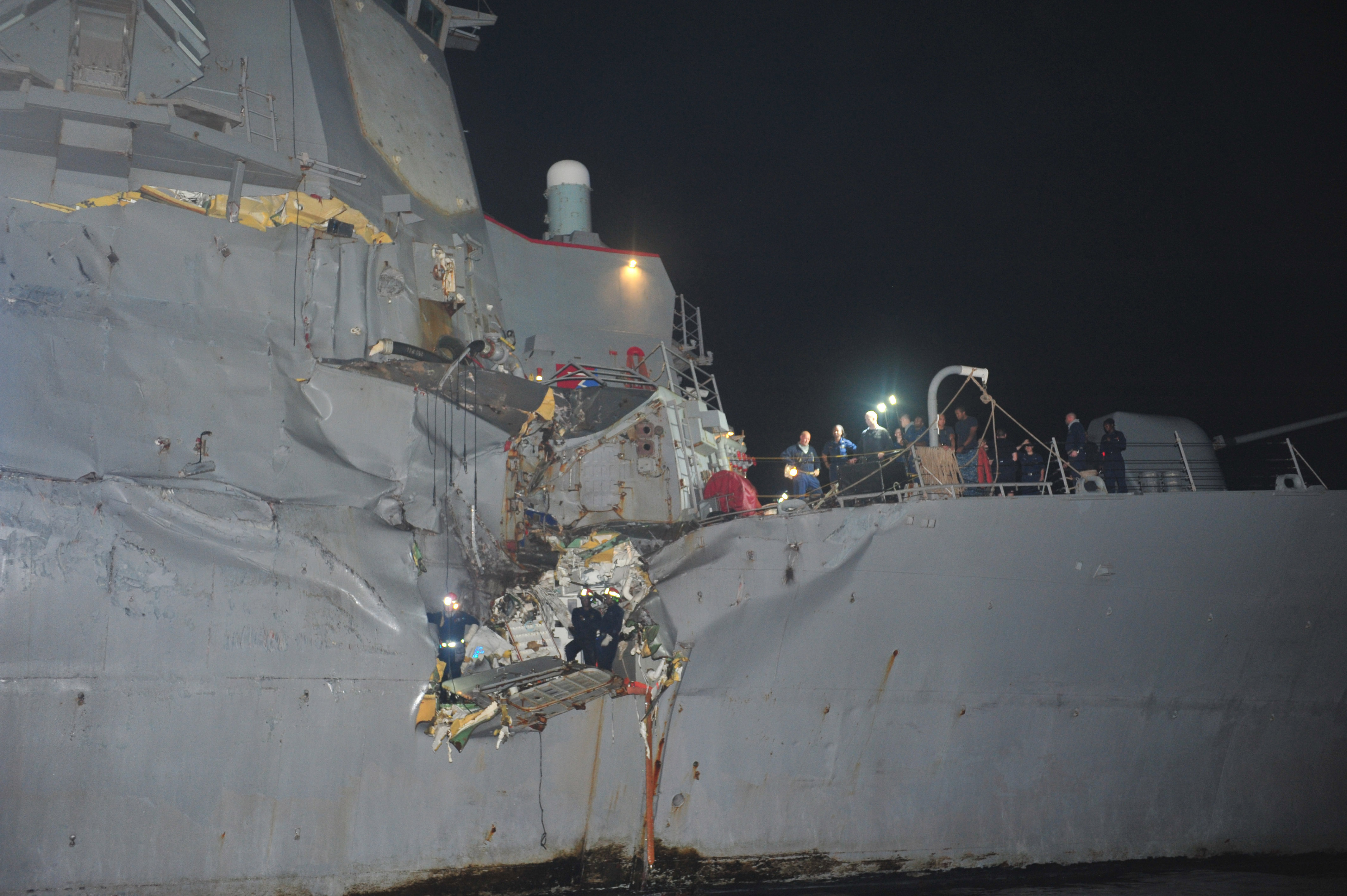
Iran's Islamic Revolutionary Guard Corps struck oil tankers in the Strait of Hormuz, according to reports from the IRGC [1].
These attacks target one of the world's most critical oil transit chokepoints, raising immediate concerns about global energy security and the risk of a direct military escalation between Tehran and Washington.
The IRGC said its missiles hit two oil tankers [1]. One vessel caught fire, and both ships were forced to turn back [1]. However, the U.S. military provided a different account, saying that Iran attacked three commercial vessels [2].
Reports indicate that one person died as a result of the missile strikes [3].
Tehran said the tankers were attempting to use a route it deems unsafe and were acting with U.S. support [1, 2]. The IRGC asserts control over the strategic waterway to regulate traffic and security.
The U.S. military denied the IRGC's specific claims and said the waterway remains international [1]. In response to the attacks, the U.S. military launched new strikes against Iranian targets [2].
The Strait of Hormuz is a narrow waterway connecting the Persian Gulf with the Gulf of Oman. Because of its geography, any disruption to shipping in the region can lead to volatility in global oil prices and disrupt international trade routes.
While some reports suggested the U.S. Navy was unable to prevent the initial IRGC attack [1], the subsequent U.S. strikes indicate a continued operational capability to respond to threats in the region [2].
“One person died as a result of the missile strikes.”
The conflicting reports on the number of vessels hit—ranging from two to three—highlight the fog of war and the competing narratives used by both nations. By striking commercial shipping, Iran is signaling its ability to disrupt global energy markets to exert political pressure. The U.S. response suggests a strategy of deterrence through proportional force to maintain the status of the strait as an international passage.