Italy called for the suspension of Spain from the Schengen area on Thursday after a surge of migrants entered the Spanish enclave of Ceuta [1].
The diplomatic clash threatens the stability of the European Union's open-border agreement and highlights growing tensions over how member states manage external frontiers. If a country is suspended from Schengen, it could lead to the restoration of internal border controls, disrupting travel and trade across the continent.
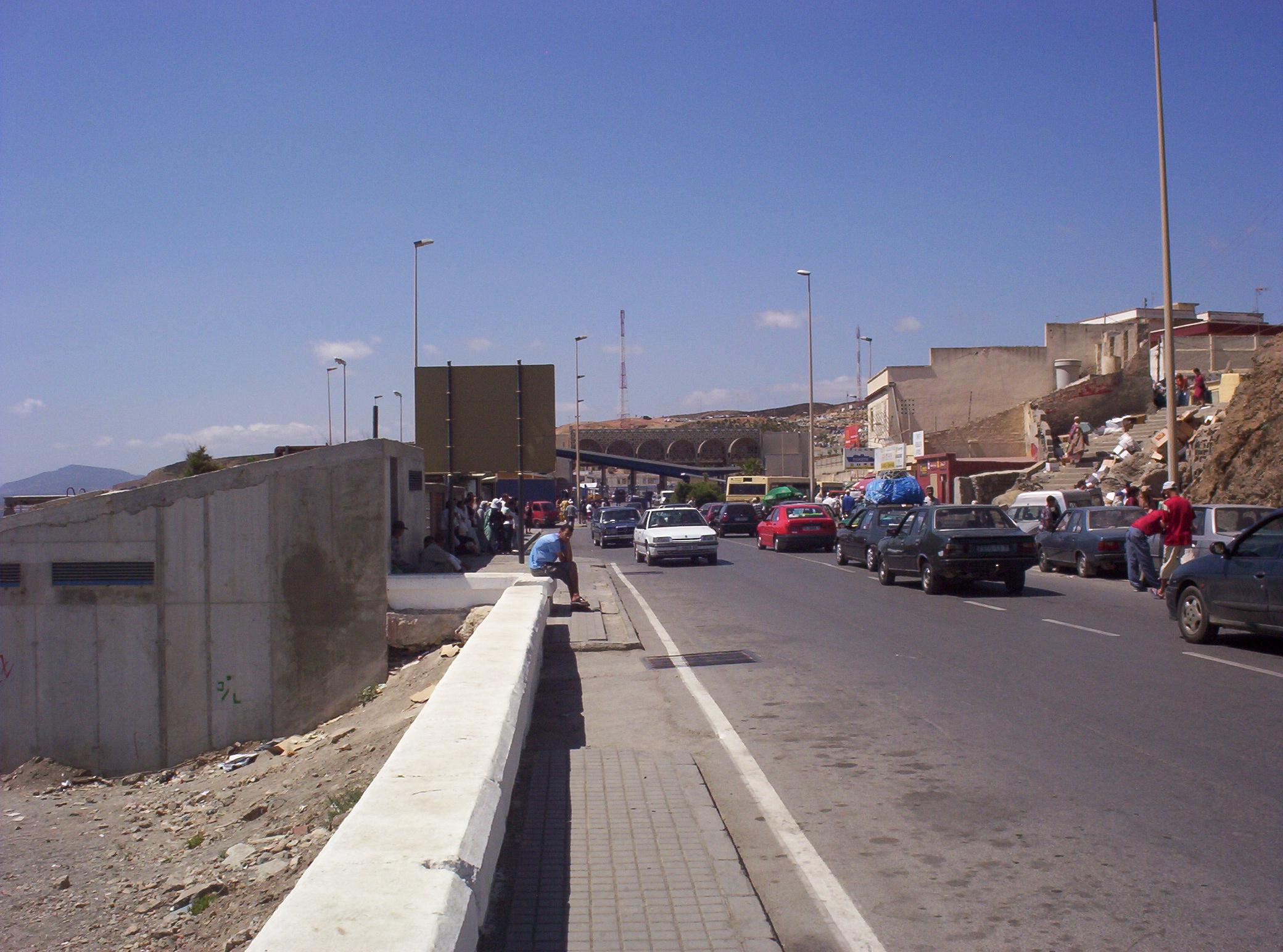
The crisis began when hundreds of migrants [2] crossed from Morocco into Ceuta, a Spanish territory on the North African coast. Italian officials said the scale of the breach and Spain's management of the border posed a risk to the integrity of the entire Schengen zone [3].
In response, the Spanish government deployed soldiers to the border in Ceuta to secure the perimeter [2]. Prime Minister Pedro Sánchez and defense officials oversaw the troop deployment as the government moved to stabilize the region.
Spain condemned the Italian position, describing the call for suspension as demagoguery [4]. The Spanish government defended its membership in the Schengen area and summoned the Italian ambassador to address the statements made by the Italian Foreign Minister [5].
Concurrent with the diplomatic row, Spain and Morocco reached an agreement on Thursday for the urgent return of the latest group of migrants who entered the enclave [6]. This cooperation between the two nations aims to reduce the pressure on the border, though the political fallout with Rome remains unresolved.
Italy's request represents a significant escalation in intra-EU relations regarding migration. While member states often disagree on quota distributions, the formal call to exclude a partner from the border-free zone is a rare and severe diplomatic maneuver [7].
“Italy called for the suspension of Spain from the Schengen area”
This dispute underscores the fragility of the Schengen Agreement when faced with irregular migration crises. By linking border security in a specific enclave to a country's overall membership in the zone, Italy is signaling that national border failures are no longer viewed as isolated incidents but as systemic threats to European security. The outcome will likely determine whether the EU moves toward more centralized border enforcement or continues to rely on individual state management.

