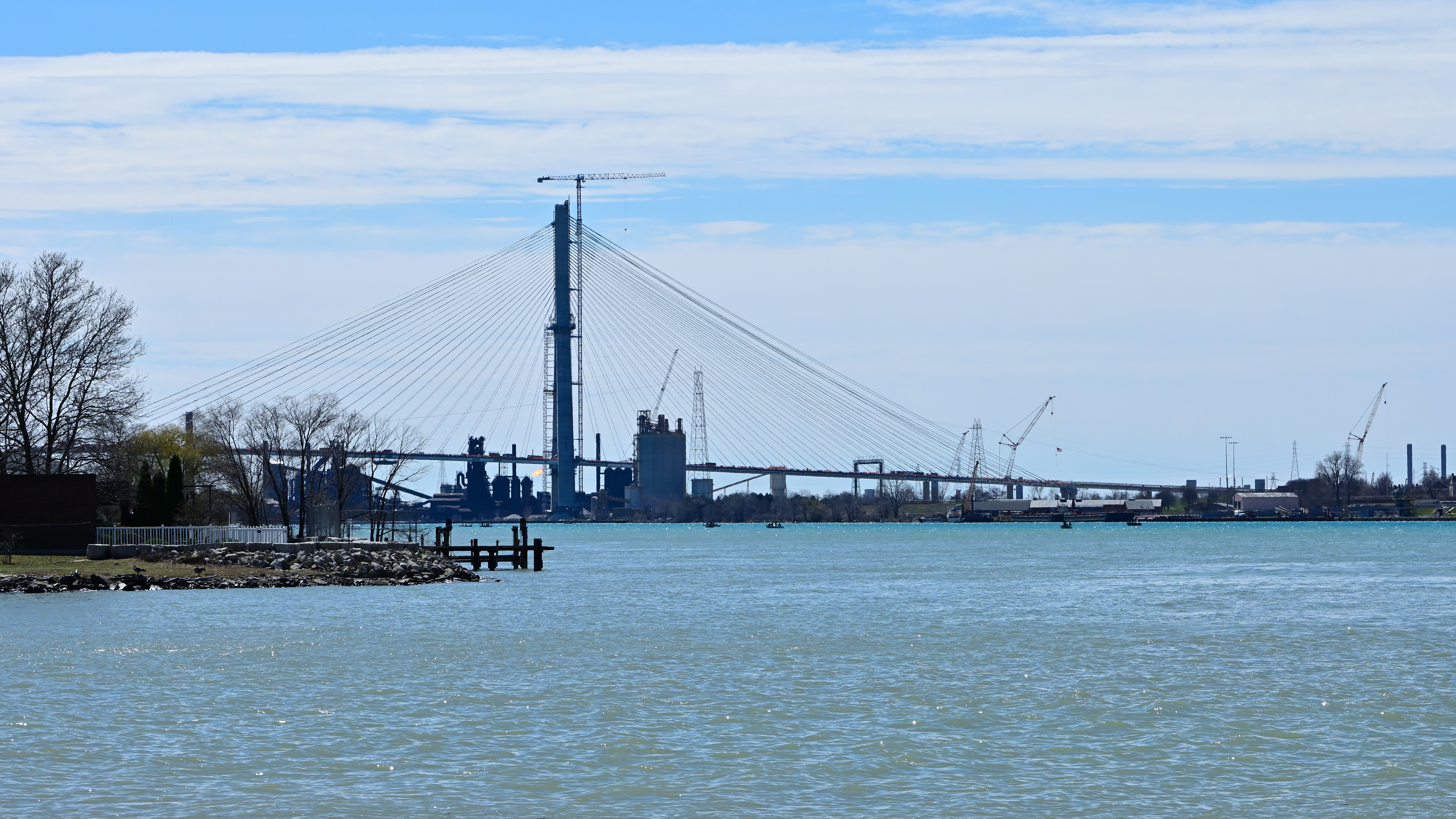
Liberal Members of Parliament blocked parliamentary hearings on Wednesday regarding a deal for the Gordie Howe International Bridge [1].
The move prevents a formal debate over the specific commitments the Carney government made to U.S. President Donald Trump [1]. This obstruction comes as questions mount over the transparency of the agreement and the obligations tied to the bridge's completion.
According to BNN Bloomberg Earnings, the hearings were intended to clarify the nature of the promises made during negotiations between the two nations [1]. The Gordie Howe International Bridge is a critical infrastructure project connecting Canada and the U.S., and the details of the deal have become a point of contention within Parliament [1].
Liberal MPs have successfully stopped the proceedings from moving forward, effectively shielding the government from immediate questioning on the floor [1]. The blockage occurs at a time when government representatives have reportedly shown confusion regarding the specifics of the arrangement [1].
The Carney government has not provided a detailed public breakdown of the promises made to the U.S. administration [1]. This lack of clarity has led to calls from opposition members for a full accounting of the deal's terms, and any potential concessions made to ensure the project's success [1].
Because the hearings were blocked, there is currently no official parliamentary record of the specific guarantees provided to President Trump [1]. The situation highlights a growing tension between the executive branch's handling of international diplomacy and the legislative branch's oversight responsibilities [1].
“Liberal MPs have blocked parliamentary hearings”
The blocking of these hearings suggests a strategic effort by the governing party to avoid public scrutiny of bilateral agreements with the U.S. By preventing a formal record of the promises made to President Trump, the Carney government maintains control over the narrative of the Gordie Howe International Bridge deal, though it risks fueling accusations of a lack of transparency in international diplomacy.


