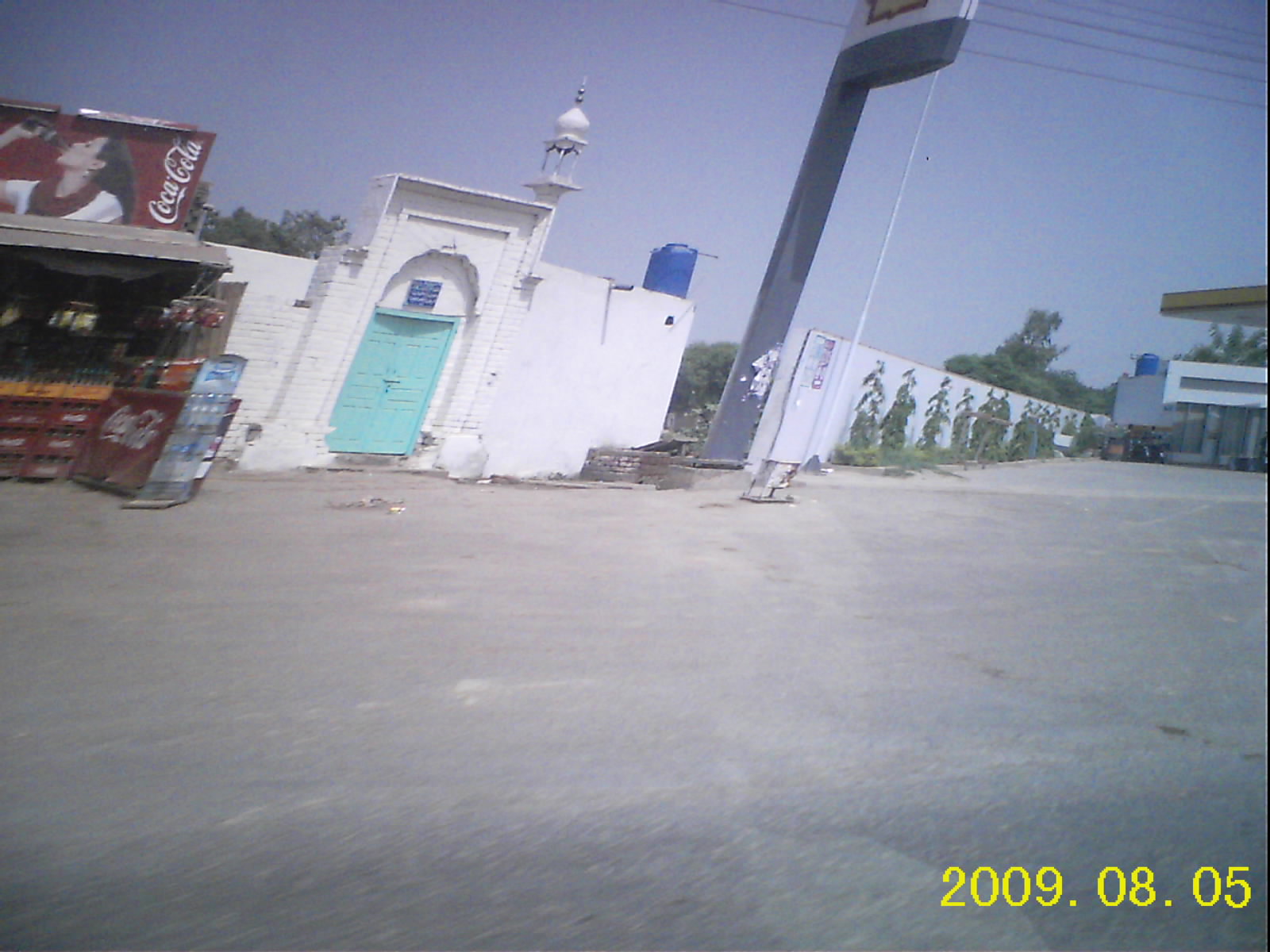
The Pakistani federal government increased petrol and high-speed diesel prices on July 31 before announcing subsequent reductions for the following three days [1, 2].
These fluctuations impact transportation and logistics costs across the country, as the Ministry of Petroleum manages price adjustments to align with market conditions.
On Thursday, the government raised the price of petrol by Rs1.09 per litre [1]. The cost of high-speed diesel (HSD) also rose by Rs2.42 per litre for July 31 [1]. These adjustments were implemented as part of the federal government's ongoing fuel pricing strategy.
Following the initial increase, the government announced a price reduction effective Friday [2]. Petrol prices decreased by 12 paisas per litre [2]. High-speed diesel saw a larger reduction of 66 paisas per litre [2].
These lowered rates are scheduled to remain in effect for three days, lasting until Aug 3, 2026 [2]. The short-term nature of these changes reflects the volatility of fuel pricing managed by the Ministry of Petroleum.
"The federal government on Thursday increased the prices of petrol and high-speed diesel (HSD) by Rs1.09 and Rs2.42 per litre, respectively, for July 31," a reporter for The Express Tribune said [1].
Regarding the subsequent changes, the reporter said, "The federal government on Friday reduced the prices of petrol and high-speed diesel (HSD) by 12 paisas and 66 paisas per litre, respectively, for the next three days until Aug 3, 2026" [2].
“The federal government increased petrol and high-speed diesel prices on July 31.”
The rapid succession of price hikes and minor reductions suggests a highly volatile pricing mechanism within Pakistan's petroleum sector. Because the government adjusts rates on a near-daily or short-term basis, consumers and transport operators face unpredictable overhead costs, which can lead to immediate ripple effects in the pricing of consumer goods and services.


