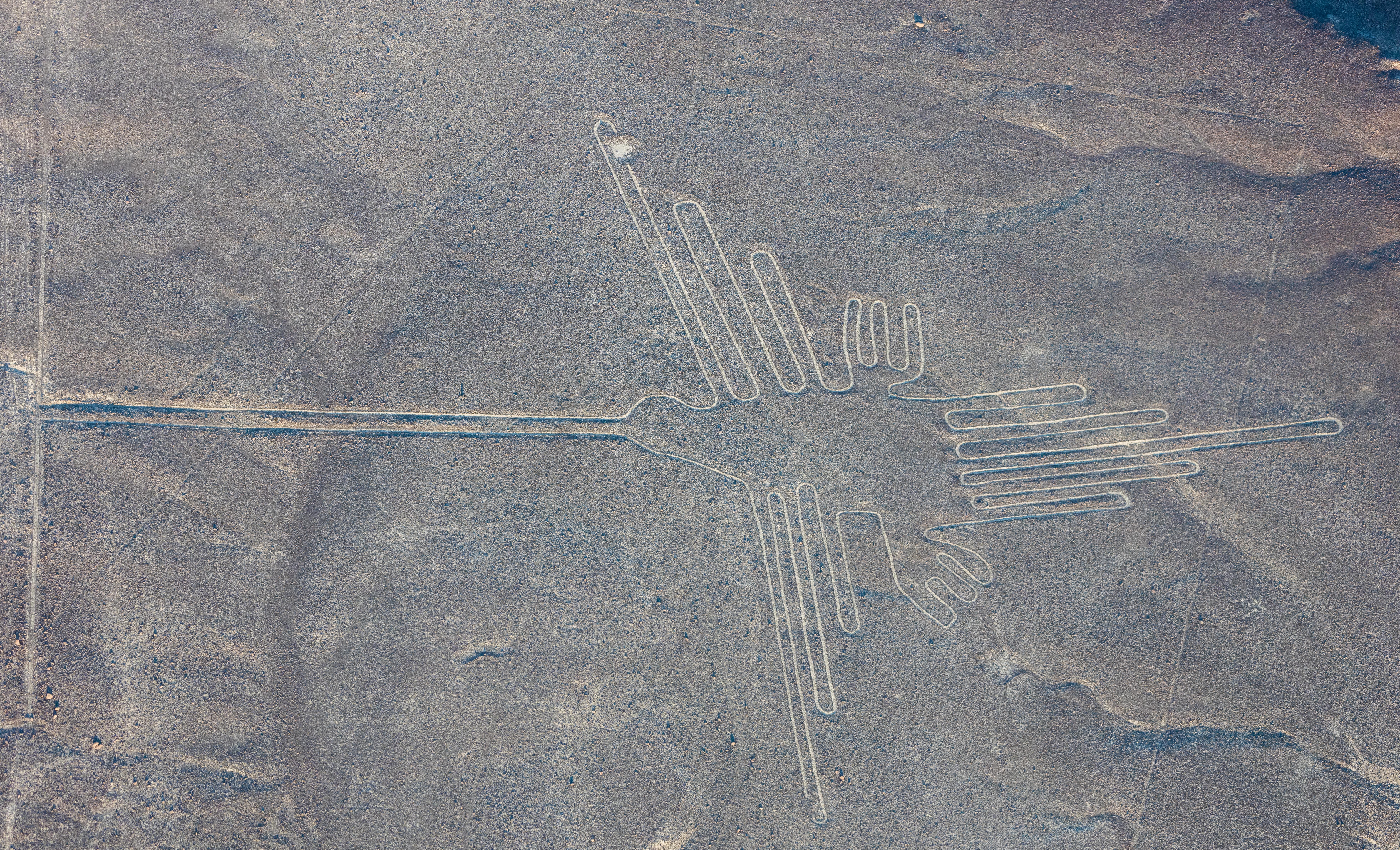
A small tourist aircraft crashed near the Nazca Lines in southern Peru on Saturday, Aug. 1, killing 13 people [1].
The accident underscores the risks associated with small-scale aviation in remote regions and impacts the safety profile of one of Peru's most visited archaeological sites.
Police said that the flight was intended to allow passengers to admire the famous Nazca Lines from the air [3]. The crash occurred in the southern region of the country [1]. Authorities have since opened an investigation to determine the cause of the accident, though no specific mechanical failure or pilot error has been confirmed [4].
Of the 13 victims [1], a significant number were foreign nationals. Reports indicate that 11 of the deceased were European tourists [2]. Other reports specify that seven of those victims were Italian [5].
Emergency responders arrived at the scene in the southern desert to recover the bodies. The aircraft was a small tourist plane specifically used for sightseeing excursions [2]. Local authorities are coordinating with international consulates to notify the families of the victims.
"The small plane that crashed Saturday was carrying tourists who had set out to admire the Nazca lines," the publication Bienpublic said [2].
Police said that at least 13 people died in the crash of the small plane transporting tourists to admire the Nazca lines [3]. The investigation remains ongoing as officials examine the wreckage and flight logs to identify the sequence of events leading to the impact [4].
“13 people died in the crash of a small plane transporting tourists to admire the Nazca lines”
The Nazca Lines are a critical pillar of Peru's tourism economy, and a high-fatality accident involving European nationals may lead to increased regulatory scrutiny of the small-plane operators that service the region. Because these flights are the primary way visitors experience the geoglyphs, any perceived lapse in safety could impact international travel confidence for southern Peru.


