Six of the nine Lok Sabha Members of Parliament from the Shiv Sena (UBT) faction skipped a crucial meeting on Thursday [1].
The absence of these members is significant because the party needs at least six MPs to switch sides to bypass the anti-defection law [1, 4]. If the missing members defect, the party faces a legal loophole that could allow them to merge with another faction without losing their seats.
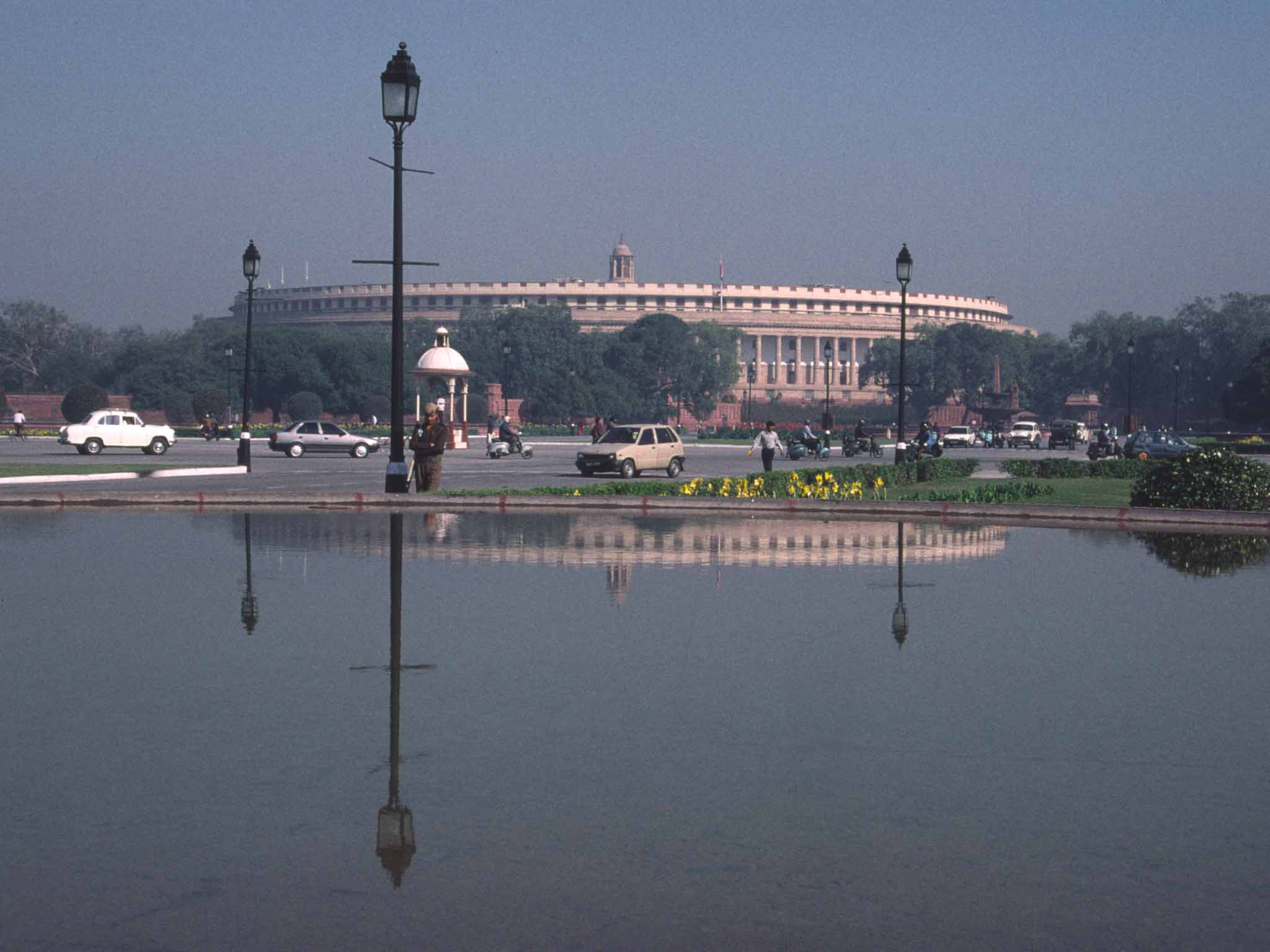
The meeting was scheduled for 11 a.m. at the old Parliament building in New Delhi [1, 5]. Despite a three-line whip, the strictest directive a party can issue to its members, only three MPs attended the gathering [2, 3].
Senior leaders within the UBT faction expressed concerns regarding the loyalty of their representatives. The situation has led to speculation that the missing members may have already joined the rival Shinde faction [2]. This development deepens the internal crisis for the UBT leadership as they struggle to maintain a unified front in the lower house.
The anti-defection law generally prohibits lawmakers from switching parties. However, a merger is permitted if two-thirds of the legislative party agrees to the move [4]. With nine total MPs in the Lok Sabha [1], the threshold for a legal merger is exactly six members [4].
Observers said the timing of the absences, coinciding with a mandatory party meeting, suggests a coordinated effort by the MPs to distance themselves from the current party leadership. The UBT faction now faces the possibility of a significant split that could alter the political landscape in New Delhi.
“Only three MPs attended the gathering.”
This event signals a potential collapse of the Shiv Sena (UBT) faction's influence in the Lok Sabha. Because the number of absent MPs matches the exact threshold required for a legal merger under anti-defection rules, the party is vulnerable to a strategic split. If these members officially join the Shinde faction, it would consolidate power under one banner and eliminate the legal protections that currently keep the UBT faction viable as a separate entity.

'%2F%3E%0A%20%20%20%20%3Crect%20width%3D'1600'%20height%3D'900'%20fill%3D'url(%23v)'%2F%3E%0A%20%20%20%20%3Cg%20opacity%3D'0.08'%20fill%3D'%23ffffff'%3E%0A%20%20%20%20%20%20%3Ccircle%20cx%3D'1420'%20cy%3D'180'%20r%3D'220'%2F%3E%0A%20%20%20%20%20%20%3Ccircle%20cx%3D'1500'%20cy%3D'760'%20r%3D'120'%2F%3E%0A%20%20%20%20%3C%2Fg%3E%0A%20%20%20%20%3Cline%20x1%3D'80'%20y1%3D'172'%20x2%3D'220'%20y2%3D'172'%20stroke%3D'%23ffffff'%20stroke-width%3D'3'%20stroke-opacity%3D'0.6'%2F%3E%0A%20%20%20%20%3Ctext%20x%3D'80'%20y%3D'140'%20font-family%3D'Inter%2C%20-apple-system%2C%20Helvetica%2C%20sans-serif'%20font-weight%3D'700'%20font-size%3D'28'%20fill%3D'%23ffffff'%20letter-spacing%3D'6'%3EHANNA%20%C2%B7%20NEWS%3C%2Ftext%3E%0A%20%20%20%20%3Ctext%20x%3D'80'%20y%3D'230'%20font-family%3D'Inter%2C%20-apple-system%2C%20Helvetica%2C%20sans-serif'%20font-weight%3D'600'%20font-size%3D'40'%20fill%3D'%23ffffffb3'%20letter-spacing%3D'4'%3EWORLD%3C%2Ftext%3E%0A%20%20%20%20%3Ctext%20x%3D'80'%20y%3D'622'%20font-family%3D'Playfair%20Display%2C%20Georgia%2C%20serif'%20font-weight%3D'800'%20font-size%3D'86'%20fill%3D'%23ffffff'%20letter-spacing%3D'-1'%3EMali%20Mandatory%20Motorcycle%3C%2Ftext%3E%3Ctext%20x%3D'80'%20y%3D'721'%20font-family%3D'Playfair%20Display%2C%20Georgia%2C%20serif'%20font-weight%3D'800'%20font-size%3D'86'%20fill%3D'%23ffffff'%20letter-spacing%3D'-1'%3ERegistration%20Sparks%3C%2Ftext%3E%3Ctext%20x%3D'80'%20y%3D'820'%20font-family%3D'Playfair%20Display%2C%20Georgia%2C%20serif'%20font-weight%3D'800'%20font-size%3D'86'%20fill%3D'%23ffffff'%20letter-spacing%3D'-1'%3EStakeholder%20Concern%3C%2Ftext%3E%0A%20%20%20%20%3Ctext%20x%3D'80'%20y%3D'870'%20font-family%3D'Inter%2C%20-apple-system%2C%20Helvetica%2C%20sans-serif'%20font-weight%3D'500'%20font-size%3D'22'%20fill%3D'%23ffffff66'%20letter-spacing%3D'2'%3Enews.hanna-ai.com%3C%2Ftext%3E%0A%20%20%3C%2Fsvg%3E)
