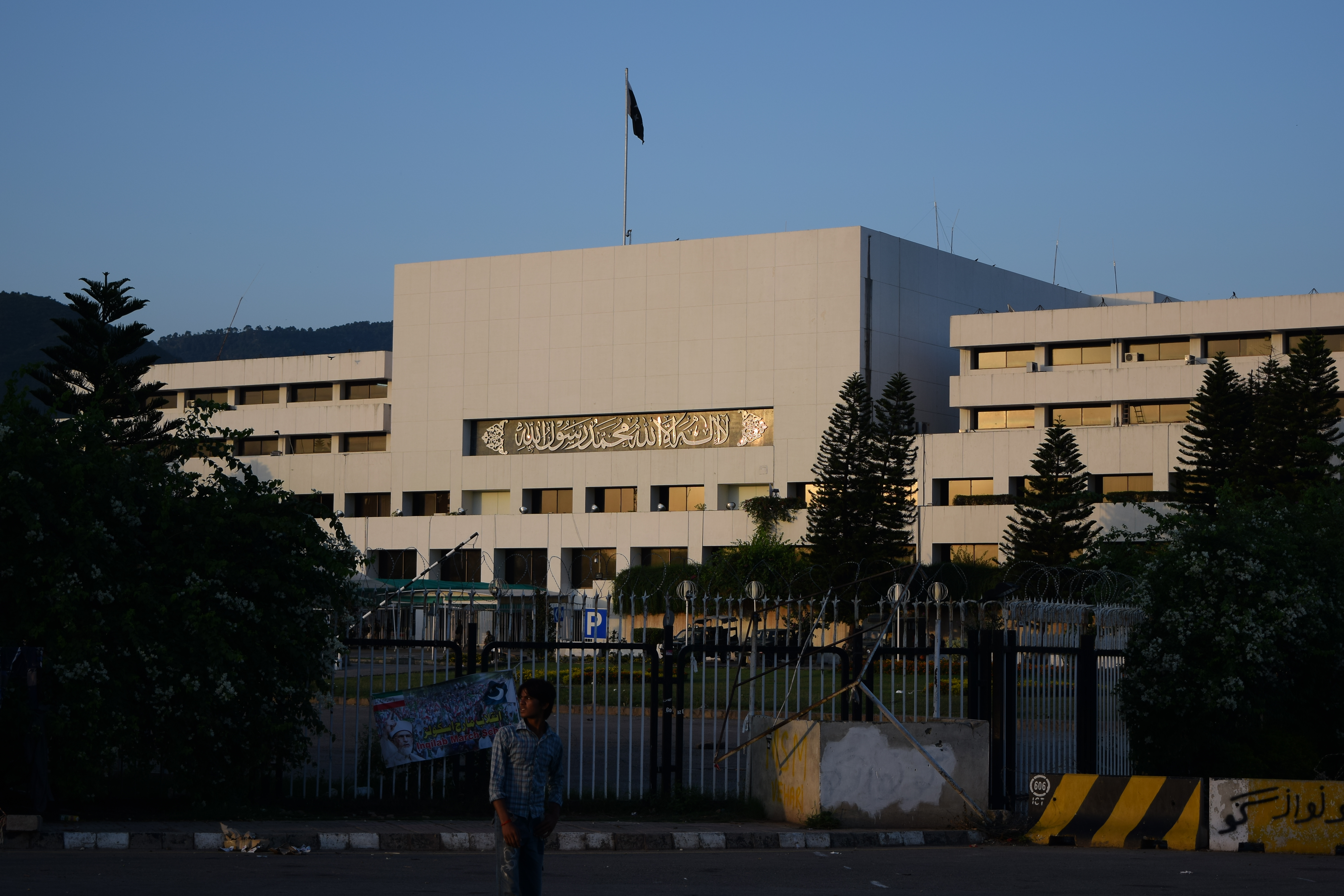
Reports indicate that several members of the Shiv Sena (Uddhav Balasaheb Thackeray) may defect ahead of the Parliament's Monsoon Session [1].
These potential shifts in allegiance could significantly alter the political landscape in Maharashtra and impact the legislative strength of the party in the national parliament. The movement suggests internal instability within the UBT faction as it faces pressure from rival political camps.
Political speculation has intensified following meetings within the Shiv Sena, leading to claims that a coordinated effort to draw members away is underway [1]. The reports highlight a period of turbulence for the party, which is currently navigating a complex relationship with other regional powers.
Discrepancies exist regarding the exact number of lawmakers considering a move. One report indicates that six MPs may exit the party [1]. However, a leader from the Shinde-led Shiv Sena said that seven MPs [2] and 16 MLAs [2] are willing to switch sides.
This potential exodus is being framed by some observers as a strategic effort to create confusion within the UBT camp. The movement, referred to in some circles as "Operation Tiger," aims to weaken the faction's hold on its remaining representatives [2].
While the exact numbers remain unverified, the buzz surrounding these departures has created a sense of urgency within the party leadership. The party has not officially confirmed the departure of any members at this time.
“Six to seven Shiv Sena (UBT) MPs may defect ahead of the Parliament's Monsoon Session.”
The potential defection of these lawmakers would further marginalize the Shiv Sena (UBT) faction, reducing its influence in both the Maharashtra state assembly and the Indian Parliament. If a significant number of members migrate to the Shinde-led faction, it would consolidate power for the rival Shiv Sena wing and potentially isolate Uddhav Thackeray's leadership during critical legislative sessions.