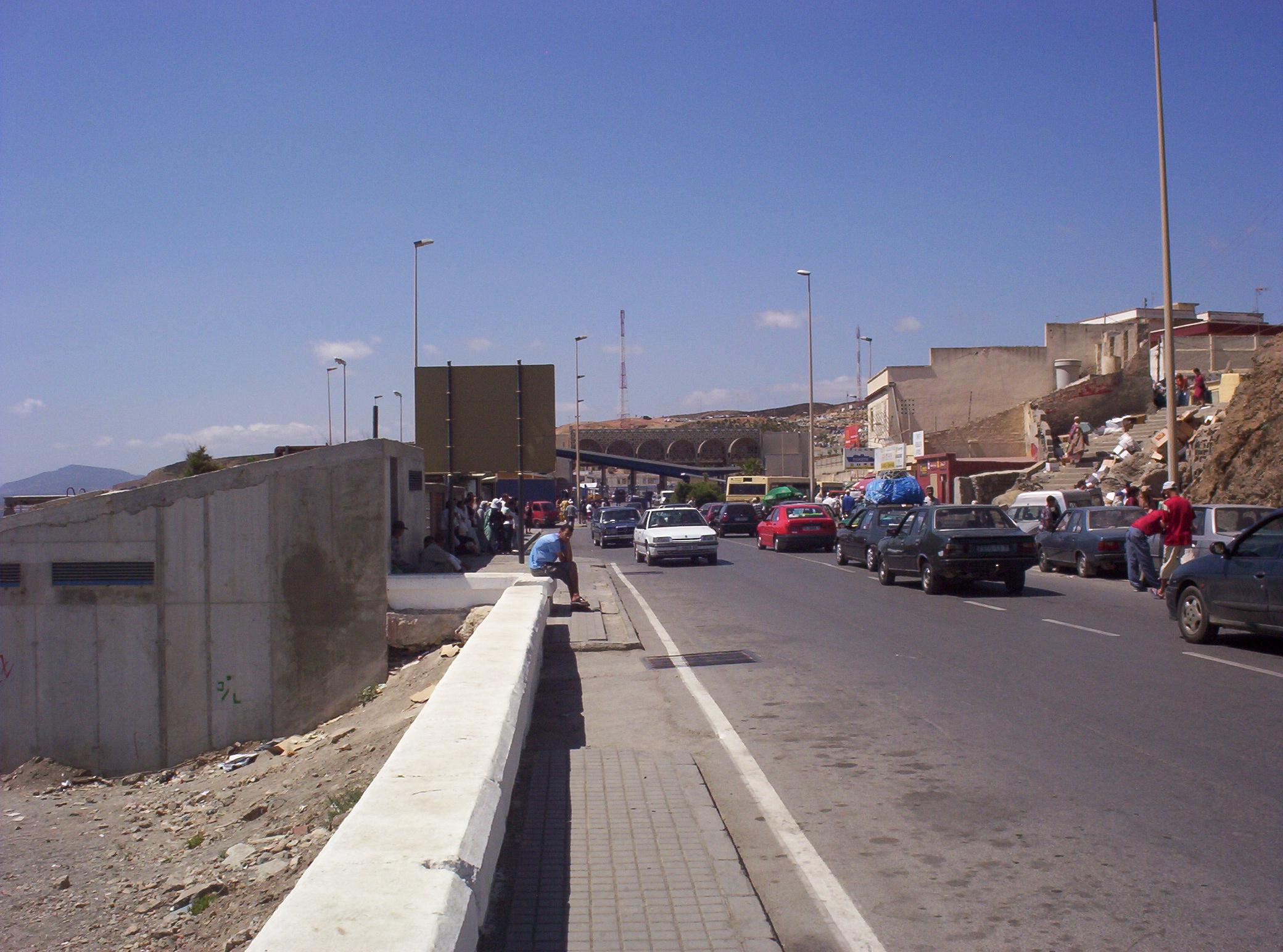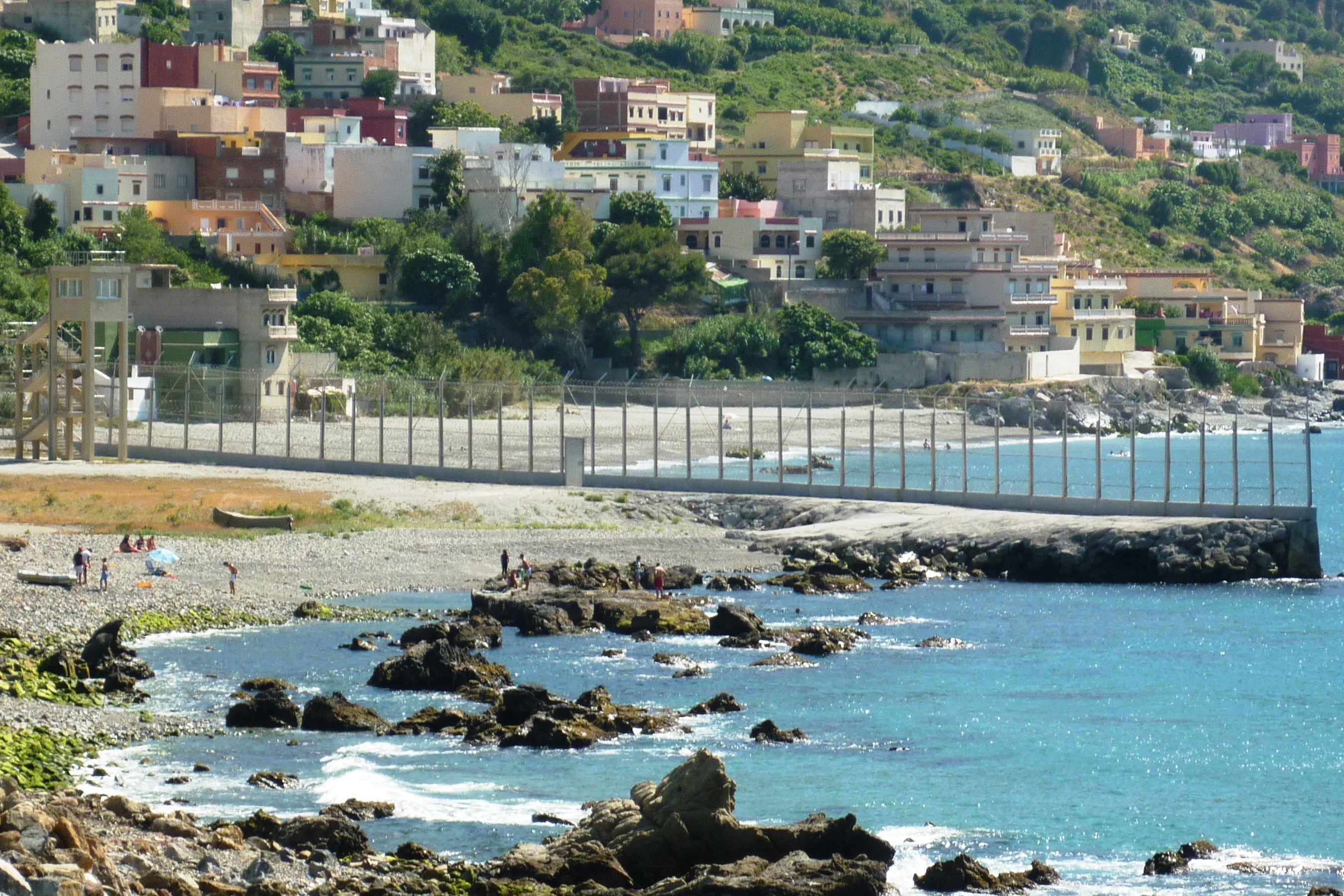
Spain deployed its army to the enclave of Ceuta on Thursday, July 30, following a massive arrival of migrants from Morocco [1].
The deployment signals a critical escalation in border security as the Spanish government attempts to manage a humanitarian emergency that has already resulted in fatalities. The move highlights the persistent volatility of the border between the Spanish territory and Morocco.
According to reports, at least 15 people died while attempting to reach the enclave [2]. The Ministry of Defense ordered the mobilization of troops to secure the area and stabilize the situation amid the surge of people crossing from the north coast of Morocco [1].
There are conflicting reports regarding the exact number of people who crossed the border on Thursday. Some sources said that hundreds of migrants entered the territory [1], while other reports indicate the number reached into the thousands [3].
This latest wave follows a period of increasing migration pressure. Prior to the events of Thursday, more than 1,500 migrants had already arrived in Ceuta [4]. The sudden increase in arrivals created a volatile environment, prompting the Spanish government to move beyond civilian policing and utilize military assets to maintain order.
The Spanish military is now tasked with securing the perimeter of the enclave, a strategic point of entry into the European Union, to prevent further unauthorized crossings and manage the current population of arrivals [1].
“Spain deployed its army to the enclave of Ceuta on Thursday, July 30”
The deployment of the Spanish army to Ceuta underscores the fragility of migration agreements between Spain and Morocco. By utilizing military force to manage a humanitarian crisis, Spain is prioritizing border integrity and national security over civilian migration processing. This move may increase diplomatic tensions with Morocco and could prompt other European Union nations to reconsider their own border security protocols within the Schengen Area.