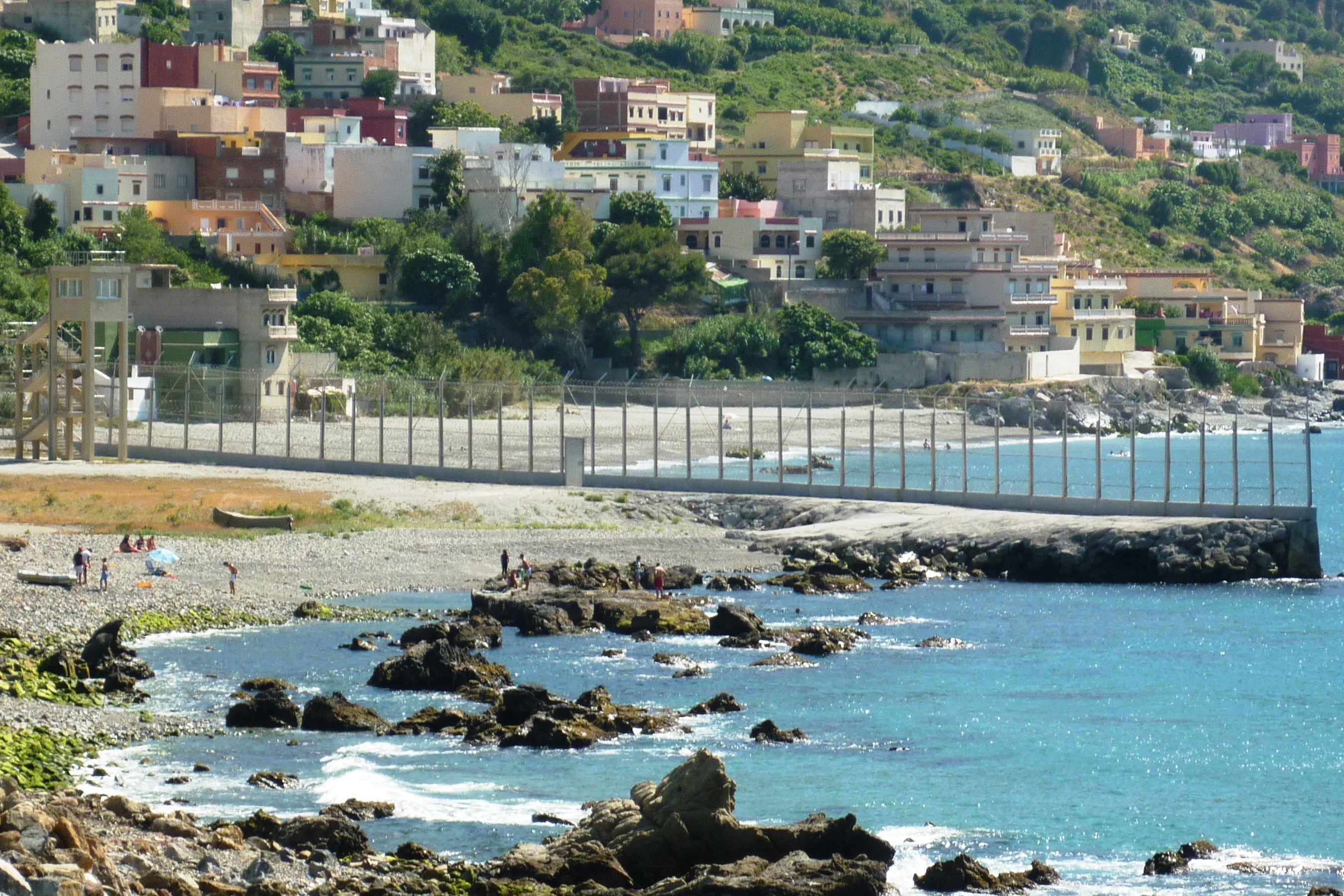
Spanish authorities deployed the army and installed a sea barrier in Ceuta after more than 50,000 migrants crossed from Morocco [1].
The incident underscores the volatility of the North African border and the role of trafficking networks in driving large-scale, dangerous migrations into the European Union.
The surge occurred in late July, peaking around July 30 and 31. Spanish officials said approximately 49,000 people arrived by sea in a single day [2]. This influx led to a deadly rush at the border. While ABC News reported at least 57 bodies recovered [3], the Associated Press said 67 people died [4].
In response to the crisis, Spain installed a 500-meter sea containment barrier to prevent further unauthorized entries [4]. Prime Minister Pedro Sánchez visited the enclave to oversee the security response, which included the mobilization of Spanish military forces to secure the perimeter.
Spanish officials said criminal gangs and trafficking networks drove the surge, exploiting migrants seeking entry into Europe [3]. The situation shifted in early August, as Spanish authorities said many migrants began returning to Morocco [1].
The Spanish government has emphasized that the security measures were necessary to prevent further loss of life and maintain border integrity. The deployment of the army marks a significant escalation in the management of the Ceuta border, which remains one of the most contentious transit points between Africa and Europe.
“More than 50,000 migrants crossed from Morocco into the Spanish enclave.”
The scale of this surge and the subsequent military response highlight the persistent fragility of the migration agreements between Spain and Morocco. By deploying the army and physical barriers, Spain is signaling a shift toward more aggressive containment strategies to deter trafficking networks, even as it faces international pressure regarding the humanitarian costs of such border security measures.


