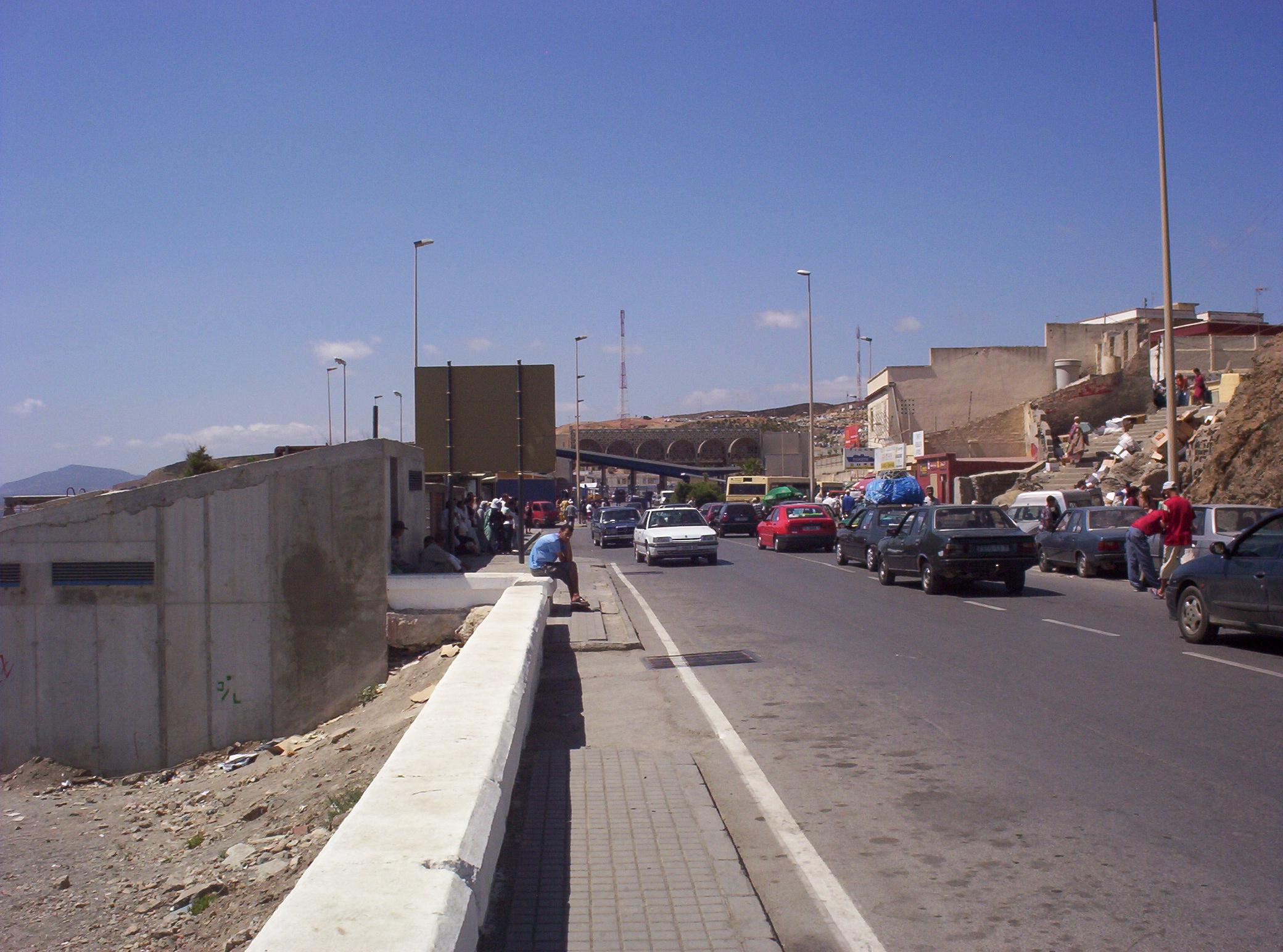
President Donald Trump said the migrant surge in Spain was a "catastrophe" and warned that the U.S. could face a similar scenario [1].
The remarks connect international border crises to domestic political stakes. By framing the situation in Spain as an "invasion," the president is utilizing a global example to argue that current Republican leadership is the only barrier against a larger-scale migration event in the U.S. [1, 2].
Speaking during a Cabinet meeting on Friday at the Camp David retreat, Trump referenced the migrant surge in Ceuta, Spain [1, 2]. He said that the events he observed in Spain were an invasion and suggested that a similar outcome is inevitable if Republicans are not elected to office [1].
"I saw Spain yesterday and the catastrophe that took place," Trump said. "It was an INVASION. And that same thing is going to happen to us if Republicans don't get elected, except worse" [1].
Trump further argued that the scale of migration into the U.S. would surpass that of Spain if the Democratic Party were to regain power [1, 2]. He said that if his party is not in office, the country will be invaded at levels that make the situation in Spain look "small time" [1].
While some reports suggest the president's criticisms of Spain involve a lack of support regarding Iran, other accounts focus exclusively on the migration crisis [1, 2]. Trump said that similar scenes of migrants flooding into Spain could play out in the U.S. if leadership changes [2].
“"It was an INVASION."”
This rhetoric signals a strategy of using external geopolitical crises to reinforce the urgency of border security as a primary campaign pillar. By linking the stability of the U.S. border to the outcome of future elections, the administration is framing immigration not as a policy challenge, but as an existential threat that can only be mitigated by a specific political party.