The United States and Iran announced a preliminary peace agreement on June 15, 2026 [1], to end the ongoing war between the two nations.
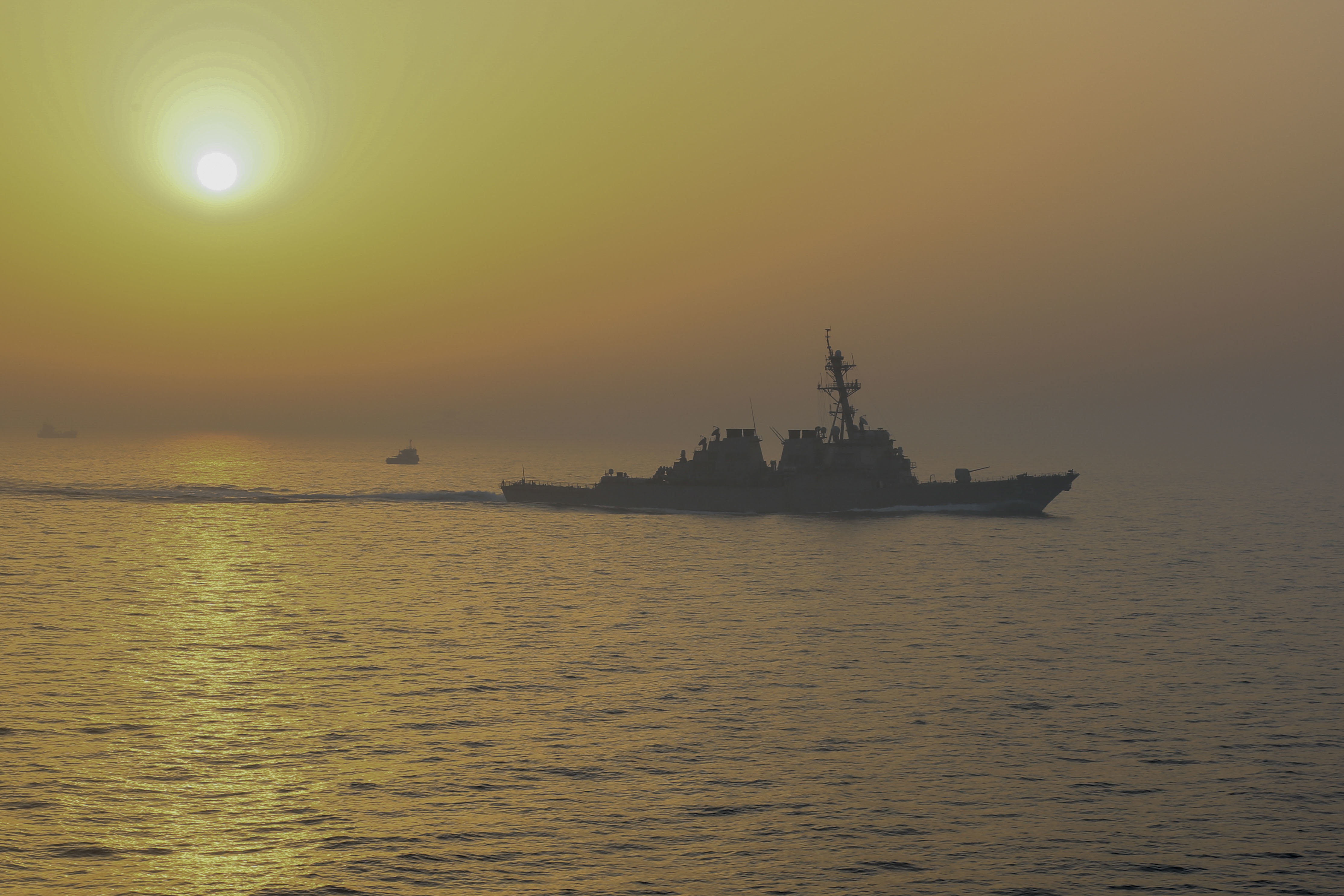
The deal is significant because it seeks to restore global energy stability by reopening the Strait of Hormuz and resuming vital oil shipments. These measures aim to resolve a direct military conflict and lift a restrictive U.S. naval blockade on Iranian ports.
The announcement took place during the G7 summit held in the French Alps. Reports said the agreement focuses on the cessation of hostilities and the restoration of maritime trade. However, the specific text of the deal has not been released to the public, leaving several operational details undisclosed.
One major omission in the preliminary framework is the lack of terms regarding Iran's nuclear program. While the deal addresses the immediate military conflict and economic blockades, it does not provide a resolution for the long-term nuclear tensions that have historically defined the relationship between Washington and Tehran.
U.S. President Donald Trump and Iranian officials reached the accord to stabilize the region and ensure the flow of oil. The agreement represents a pivot toward diplomatic resolution after a period of intense naval and military confrontation.
A formal signing ceremony for the peace deal is scheduled for Friday, June 20, 2026 [2]. The event will take place in Switzerland, where representatives from both governments are expected to finalize the terms of the ceasefire, and the lifting of the blockade.
“The agreement includes lifting a naval blockade and reopening the Strait of Hormuz.”
This preliminary deal prioritizes immediate economic and military stabilization over long-term strategic disarmament. By focusing on the Strait of Hormuz and oil shipments, the U.S. and Iran are addressing the most volatile pressure points of the conflict to prevent a global energy crisis, even while leaving the complex issue of nuclear proliferation for future negotiations.


