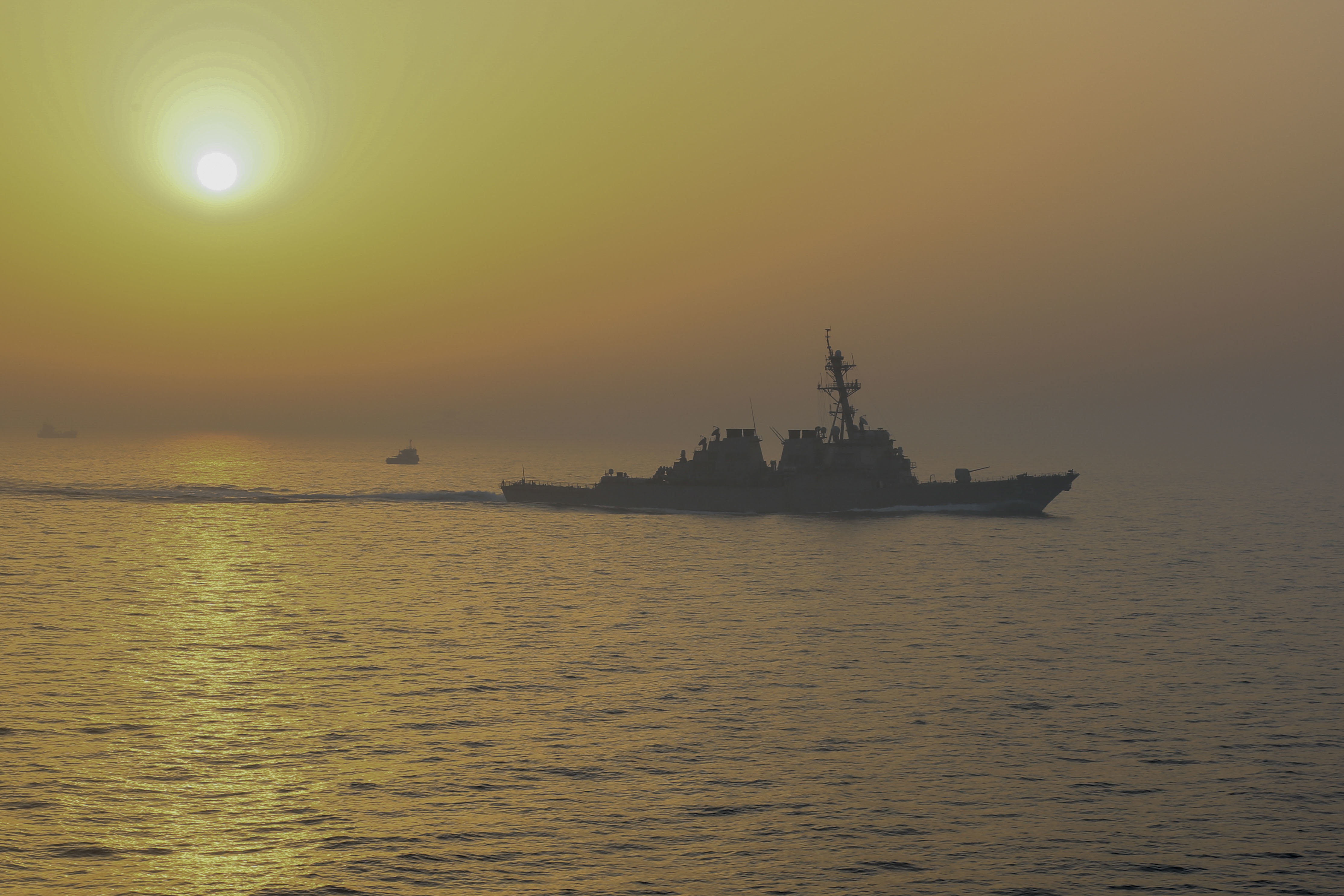
The United States and Iran have signed a tentative memorandum of understanding to end their ongoing war and halt regional hostilities [1, 2].
This agreement is significant because it addresses the critical maritime chokepoint of the Strait of Hormuz and seeks to stabilize a volatile region that has seen prolonged conflict in Lebanon and beyond [5, 6].
Under the terms of the deal, announced June 9, 2026, the U.S. will lift its naval blockade [4, 6]. The memorandum specifically calls for the reopening of the Strait of Hormuz without the imposition of tolls, ensuring the restoration of free navigation through the waterway [1, 5].
The agreement also mandates a halt to hostilities across the broader Middle East region, including conflicts in Lebanon [1, 3]. President Donald Trump ordered the stop to the naval blockade as part of the initial framework [4].
While the memorandum represents a breakthrough, officials said that challenges remain in the implementation phase [5]. The deal was first announced June 9, with further specific details scheduled for release by Friday, June 14, 2026 [4, 6].
Pakistan Prime Minister Shehbaz Sharif and various Iranian officials were identified as key figures involved in the diplomatic environment surrounding the deal [1]. The movement toward peace has already impacted global markets, with oil prices plummeting following the news of the tentative agreement [2].
Despite the progress between Washington and Tehran, other regional tensions persist. A defense minister said that Israel would not withdraw from land seized in Gaza, Syria, and Lebanon [3].
“The United States and Iran have signed a tentative memorandum of understanding to end their ongoing war.”
The deal signals a pivot toward de-escalation in the Middle East by removing the immediate economic and military pressures of a naval blockade. By ensuring the free flow of oil through the Strait of Hormuz, the agreement aims to stabilize global energy markets and reduce the likelihood of a direct conventional war between the U.S. and Iran, though the refusal of Israel to withdraw from seized territories suggests that regional stability remains fragile.


