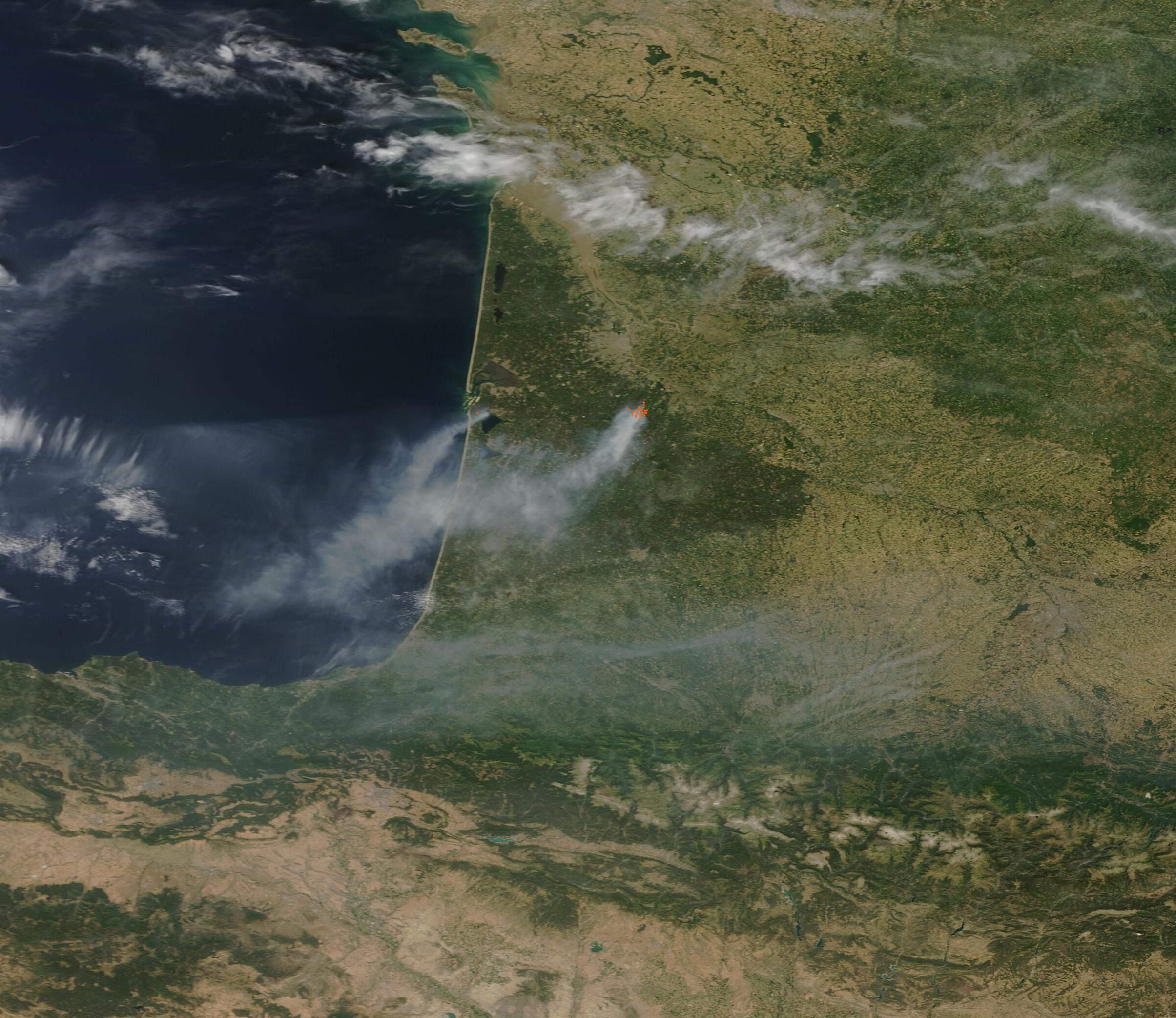
Wildfires across Western Europe forced more than 250,000 people to flee their homes and killed at least one person [1].
The scale of the displacement highlights the increasing vulnerability of the region to extreme weather events. The fires affected multiple nations simultaneously, straining emergency responses and evacuation efforts across borders.
According to reports, the blazes swept through France, Spain, Greece, and the U.S. [1]. The most intense activity occurred in July 2024 [1].
Emergency services worked to contain the flames as residents were forced to abandon their properties. The displacement of more than 250,000 people [1] represents a significant humanitarian challenge for the affected countries, necessitating rapid shelter and resource allocation.
While the total death toll remains low at at least one person [1], the geographic spread of the fires was extensive. The impact spanned from the Mediterranean coast to the U.S., illustrating a broad pattern of fire risk across the continent.
Local authorities in the affected regions continued to monitor conditions to prevent further outbreaks. The coordinated effort across these four nations aimed to mitigate the risk to life and infrastructure during the peak of the summer heat.
“Wildfires across Western Europe forced more than 250,000 people to flee their homes”
The widespread nature of these fires across four distinct European nations suggests a systemic increase in regional fire risk. The mass displacement of over a quarter-million people indicates that existing evacuation infrastructures may be struggling to keep pace with the scale of modern wildfire events in Western Europe.


