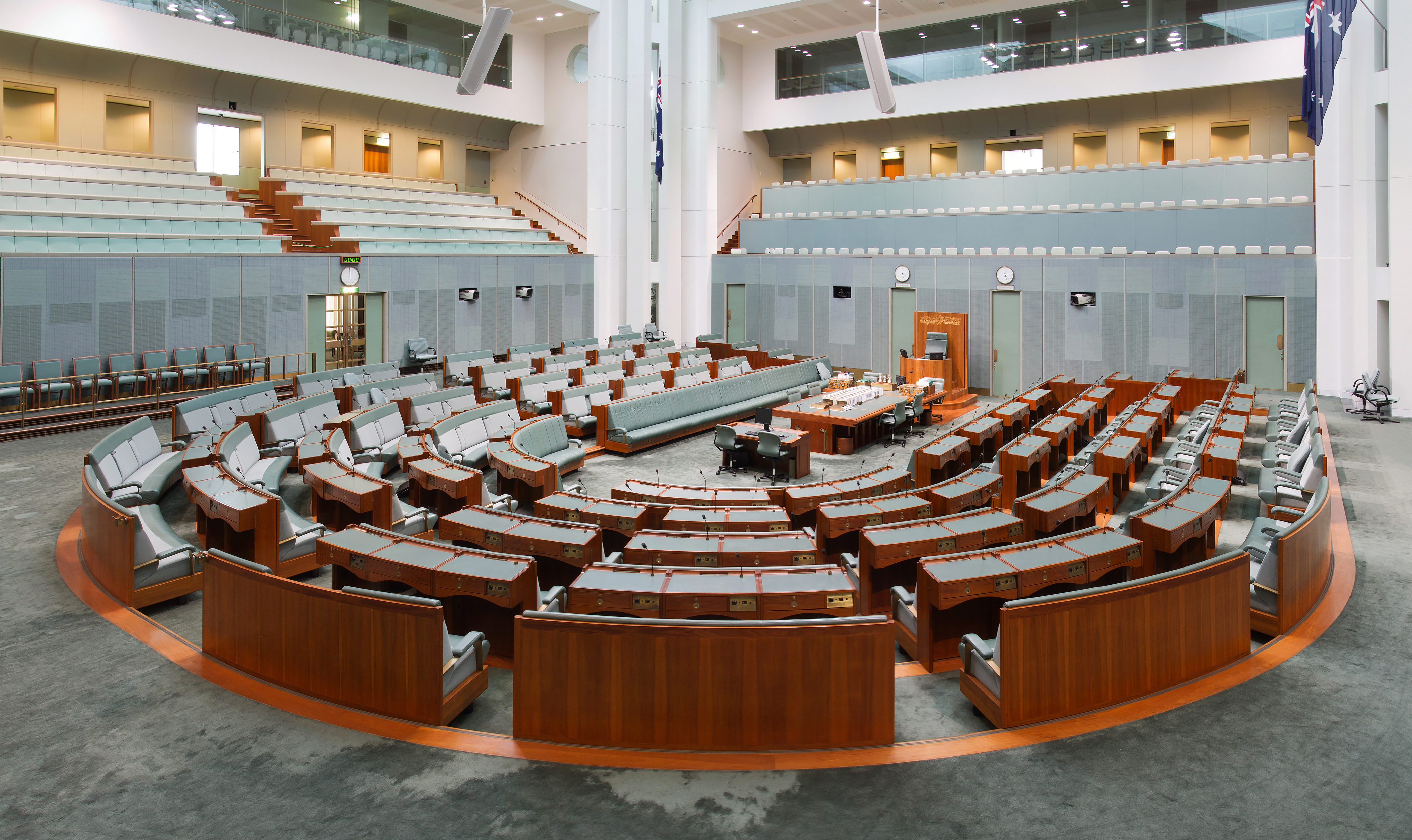
An Australian Senate inquiry panel began a two-day hearing on Monday to examine proposed reforms to capital gains tax and negative gearing.
The proceedings center on a Labor Party package that seeks to overhaul the national tax system. The outcome could significantly alter how Australians invest in property and the stock market, affecting both individual wealth and national productivity.
Analysis presented during the inquiry indicates that the proposed capital gains tax changes would increase the tax burden on the 20 most popular ASX stocks by 82 percent [1]. This represents nearly a doubling of the current tax rate for those specific assets.
Labor Party federal president Wayne Swan said the reforms are already cooling the property market [2]. The government argues that these changes will improve the overall efficiency of the tax system and create a more equitable framework for investors.
However, the reforms have sparked a divide between financial experts and industry representatives. Business groups said the changes will cripple investment and stifle productivity [3]. They argue that increasing the tax burden on capital gains will discourage the growth of domestic companies.
Economists provided a more nuanced perspective during the hearing. Some economists said the plan is better than the current system, though they noted that the proposal still contains design flaws [3].
The inquiry is evaluating whether the benefit of a more streamlined tax system outweighs the potential for reduced investment in the Australian economy. The panel is hearing testimony from a range of economists and business leaders to determine the long-term impact on the national economy [1].
“Proposed capital gains tax changes would increase tax on the 20 most popular ASX stocks by 82 percent.”
The Australian government is attempting to pivot away from tax incentives that favor property and stock speculation. By reducing the benefits of negative gearing and increasing capital gains taxes, Labor aims to dampen the housing bubble and broaden the tax base. However, the tension between economists and business groups highlights a fundamental risk: the government may inadvertently reduce the liquidity of the ASX and discourage the private investment necessary for economic growth.


