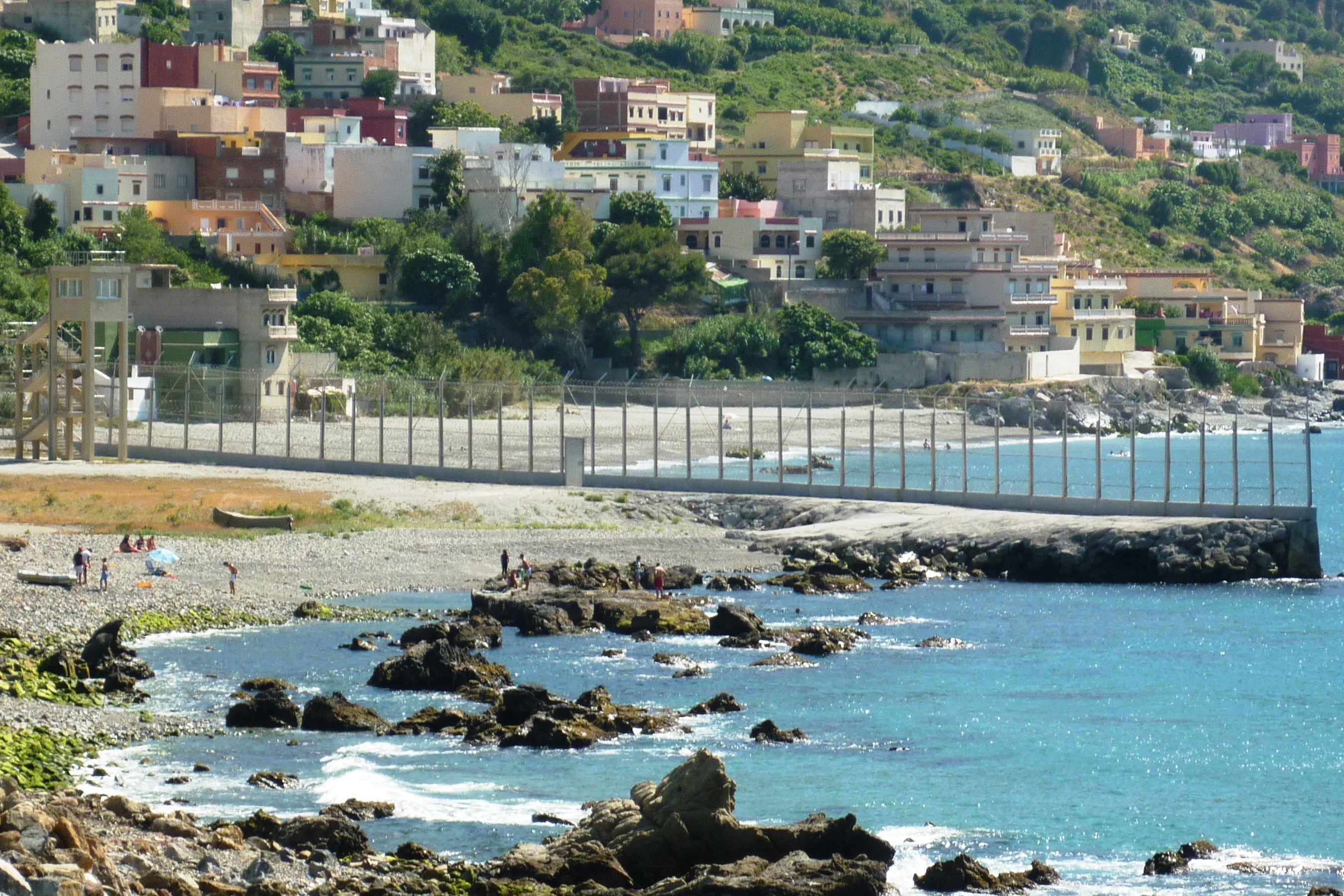
Tens of thousands of migrants crossed from Morocco into the Spanish enclave of Ceuta on July 31 [1].
The mass movement creates an immediate humanitarian crisis on the North African coast and threatens to destabilize the diplomatic relationship between Spain and Morocco.
Reports indicate that 60,000 people crossed the border over a 24-hour period [2]. The rush has resulted in a death toll of 67 people [3]. The migrants, seeking better opportunities, entered the Spanish territory by land and sea [1], [2]. One unnamed migrant said, "I just want a chance" [4].
Spanish and Moroccan authorities are working to halt the rush [5]. However, the circumstances surrounding the surge remain a point of contention. Juan Jesús Vivas, the leader of Ceuta, said the crossing was "at least encouraged or permitted" by Moroccan authorities [6].
Law enforcement from both nations have increased their presence at the border fence to manage the crowds [1]. The enclave of Ceuta serves as a critical gateway to Europe, making it a primary target for those attempting to migrate from Africa into the European Union [5].
Local officials in Ceuta are struggling to provide basic necessities to the thousands of arrivals. The sudden influx has overwhelmed the city's infrastructure, leading to urgent calls for international assistance to manage the displaced populations [1], [5].
“60,000 people crossed the border over a 24-hour period”
The scale of this crossing suggests a breakdown in previous border agreements between Spain and Morocco. By alleging that Moroccan authorities permitted the flow, Ceuta's leadership is highlighting a potential use of migration as political leverage, which complicates the joint effort to secure the border.


