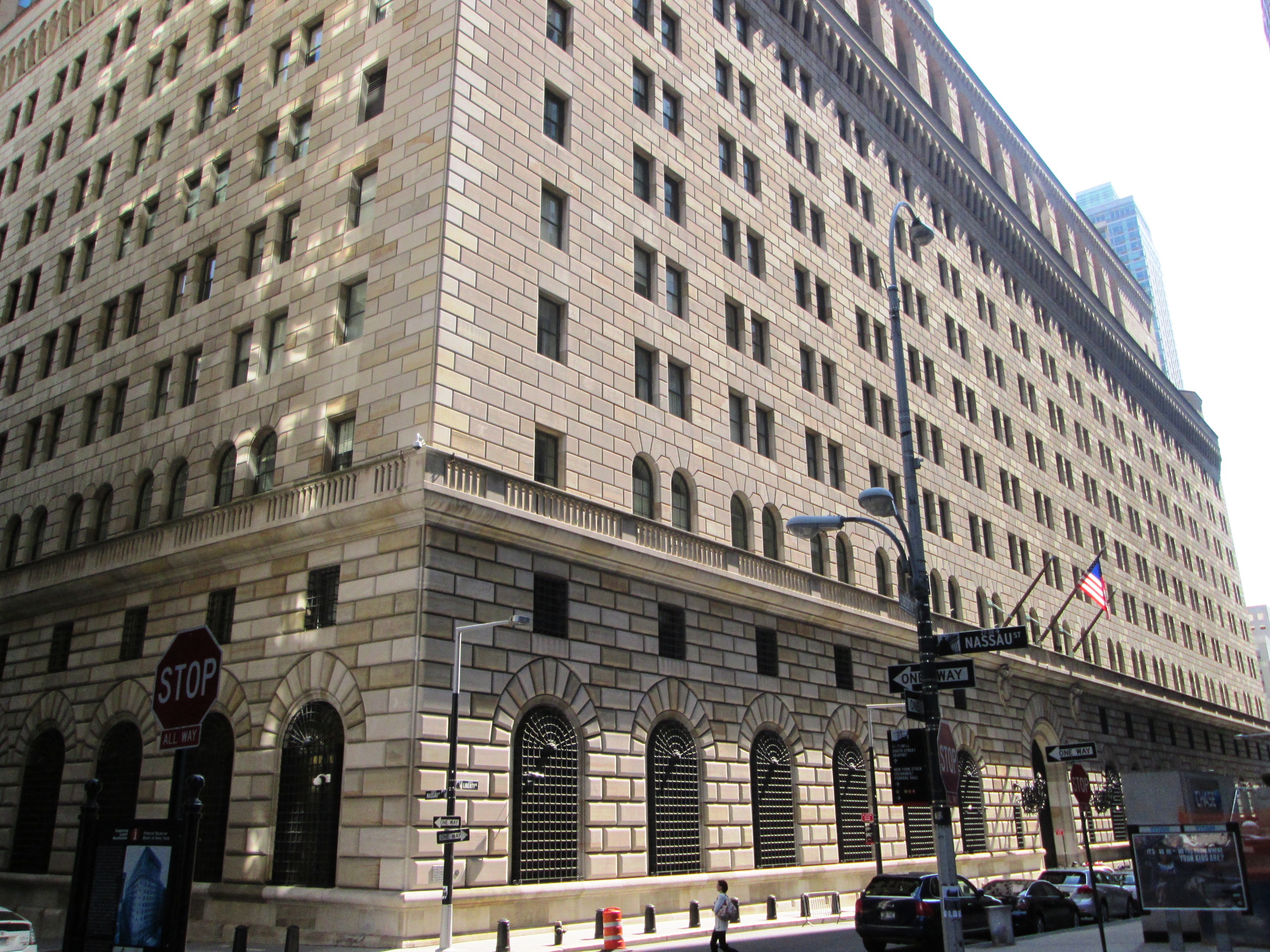
The U.S. Federal Reserve kept its benchmark interest rate unchanged during its policy meeting on July 29, 2026 [2].
This decision comes as the central bank balances the need for economic growth against a sudden surge in oil prices. The volatility highlights the fragile state of global price stability when geopolitical conflicts disrupt energy markets.
Fed Chair Kevin Warsh led the board in Washington, D.C., where officials discussed the impact of the ongoing war with Iran [1, 2]. While the majority voted to maintain current levels, three Fed officials voted for a rate increase [1].
The central bank noted that the conflict is pushing oil prices higher, which in turn stokes concerns about persistent inflation [1, 3]. These energy costs create a ripple effect across the economy, increasing the price of goods, and services for consumers.
"The war with Iran adds a new layer of uncertainty to the inflation outlook," a Federal Reserve spokesperson said [2].
Despite the internal split over a rate hike, the board opted for a cautious approach to avoid stifling economic activity. However, the Fed signaled that it remains flexible in its strategy to combat rising costs.
"Policymakers stand ready to adjust borrowing costs to safeguard growth and price stability," Warsh said [4].
Market analysts had previously noted that the threshold for a rate hike remained high leading up to the meeting, even as some investors anticipated a change [1]. The current hold reflects a wait-and-see approach as the Fed monitors how the war affects global supply chains, and energy costs.
“"The war with Iran adds a new layer of uncertainty to the inflation outlook."”
The Federal Reserve is facing a 'stagflationary' risk where geopolitical conflict drives up costs regardless of domestic monetary policy. By holding rates steady despite a minority push for hikes, the Fed is attempting to avoid a recession while acknowledging that oil-driven inflation is largely outside its direct control. This creates a precarious balancing act: raising rates too early could crush growth, but waiting too long could allow energy-driven inflation to become embedded in the wider economy.

'%2F%3E%0A%20%20%20%20%3Crect%20width%3D'1600'%20height%3D'900'%20fill%3D'url(%23v)'%2F%3E%0A%20%20%20%20%3Cg%20opacity%3D'0.08'%20fill%3D'%23ffffff'%3E%0A%20%20%20%20%20%20%3Ccircle%20cx%3D'1420'%20cy%3D'180'%20r%3D'220'%2F%3E%0A%20%20%20%20%20%20%3Ccircle%20cx%3D'1500'%20cy%3D'760'%20r%3D'120'%2F%3E%0A%20%20%20%20%3C%2Fg%3E%0A%20%20%20%20%3Cline%20x1%3D'80'%20y1%3D'172'%20x2%3D'220'%20y2%3D'172'%20stroke%3D'%23ffffff'%20stroke-width%3D'3'%20stroke-opacity%3D'0.6'%2F%3E%0A%20%20%20%20%3Ctext%20x%3D'80'%20y%3D'140'%20font-family%3D'Inter%2C%20-apple-system%2C%20Helvetica%2C%20sans-serif'%20font-weight%3D'700'%20font-size%3D'28'%20fill%3D'%23ffffff'%20letter-spacing%3D'6'%3EHANNA%20%C2%B7%20NEWS%3C%2Ftext%3E%0A%20%20%20%20%3Ctext%20x%3D'80'%20y%3D'230'%20font-family%3D'Inter%2C%20-apple-system%2C%20Helvetica%2C%20sans-serif'%20font-weight%3D'600'%20font-size%3D'40'%20fill%3D'%23ffffffb3'%20letter-spacing%3D'4'%3EWORLD%3C%2Ftext%3E%0A%20%20%20%20%3Ctext%20x%3D'80'%20y%3D'622'%20font-family%3D'Playfair%20Display%2C%20Georgia%2C%20serif'%20font-weight%3D'800'%20font-size%3D'86'%20fill%3D'%23ffffff'%20letter-spacing%3D'-1'%3EUS%20and%20Saudi%20Forces%20Strike%3C%2Ftext%3E%3Ctext%20x%3D'80'%20y%3D'721'%20font-family%3D'Playfair%20Display%2C%20Georgia%2C%20serif'%20font-weight%3D'800'%20font-size%3D'86'%20fill%3D'%23ffffff'%20letter-spacing%3D'-1'%3EIranian-Backed%20Militias%20in%3C%2Ftext%3E%3Ctext%20x%3D'80'%20y%3D'820'%20font-family%3D'Playfair%20Display%2C%20Georgia%2C%20serif'%20font-weight%3D'800'%20font-size%3D'86'%20fill%3D'%23ffffff'%20letter-spacing%3D'-1'%3EIraq%3C%2Ftext%3E%0A%20%20%20%20%3Ctext%20x%3D'80'%20y%3D'870'%20font-family%3D'Inter%2C%20-apple-system%2C%20Helvetica%2C%20sans-serif'%20font-weight%3D'500'%20font-size%3D'22'%20fill%3D'%23ffffff66'%20letter-spacing%3D'2'%3Enews.hanna-ai.com%3C%2Ftext%3E%0A%20%20%3C%2Fsvg%3E)
