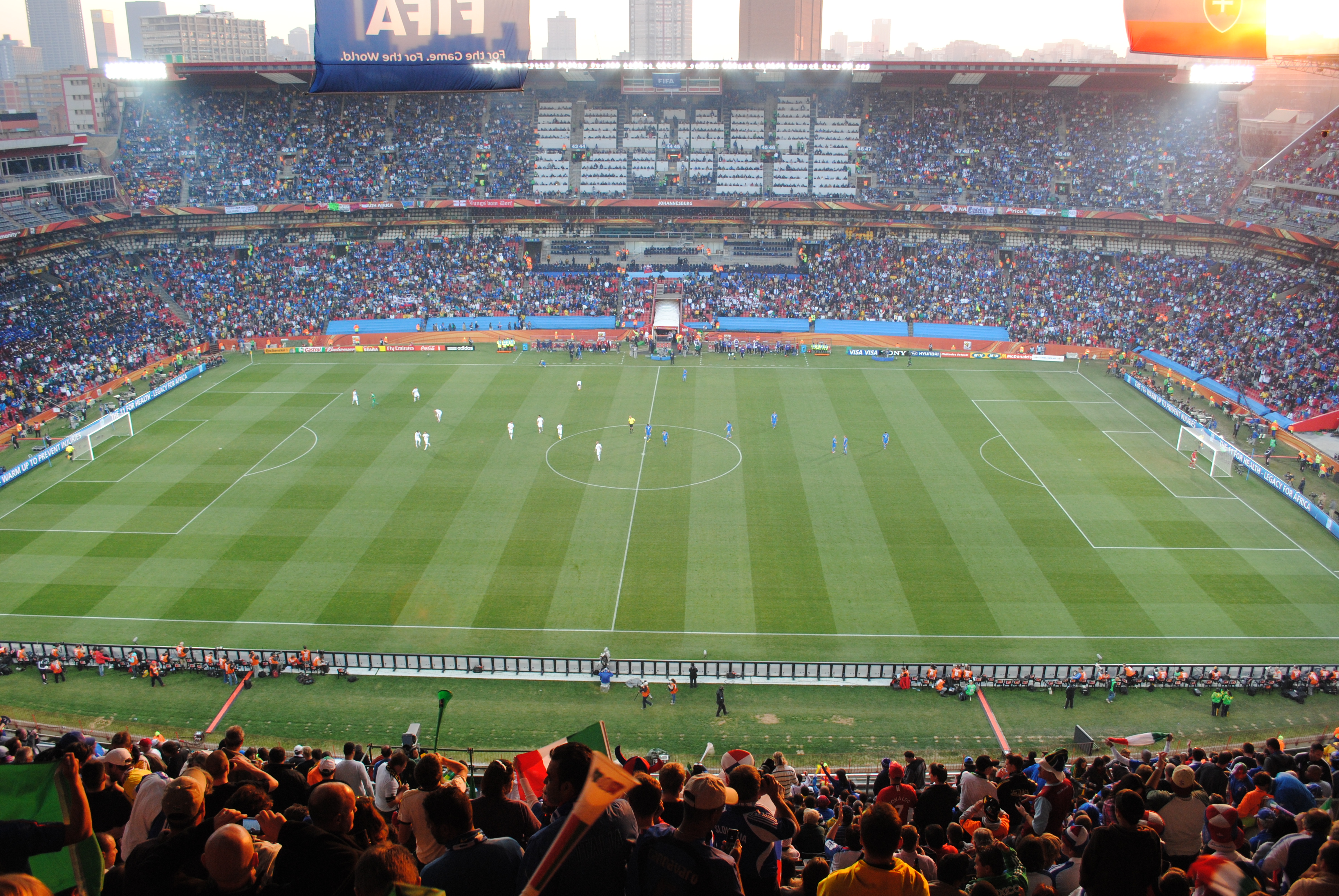
FIFA has proposed selling up to 20% [1] of the World Cup and other events to private investors through a new commercial vehicle.
The proposal marks a fundamental shift in how the world's most popular sport is governed, potentially moving control of its biggest tournaments from a non-profit association to private equity interests.
Under the plan, FIFA would create a company based in the U.S. valued at $20 billion [2]. This entity would manage the commercial rights of the World Cup, allowing private investors to purchase stakes in the tournament's revenue streams. To secure the necessary approval for this transition, FIFA has offered member federations millions of dollars [3].
UEFA, the European football governing body, has condemned the move. Officials from the organization said that the proposal commodifies the sport and threatens its traditional structure. The move has sparked a clash between FIFA President Gianni Infantino and European leadership over the future of the game.
In an official statement, UEFA said, "The soul and governance of football are not assets to trade."
The dispute centers on whether the commercialization of the sport's highest peak can be decoupled from its regulatory governance. While FIFA argues that the sale would generate billions of dollars in new capital, UEFA said that such a move would jeopardize the integrity of the sport's leadership.
“The soul and governance of football are not assets to trade.”
This conflict represents a pivotal struggle between the traditional non-profit model of sports governance and the increasing influence of private equity. By shifting the World Cup's commercial assets into a U.S.-based corporate entity, FIFA is attempting to unlock massive liquidity, but in doing so, it risks creating a precedent where private shareholders have a say in the strategic direction of global football.


