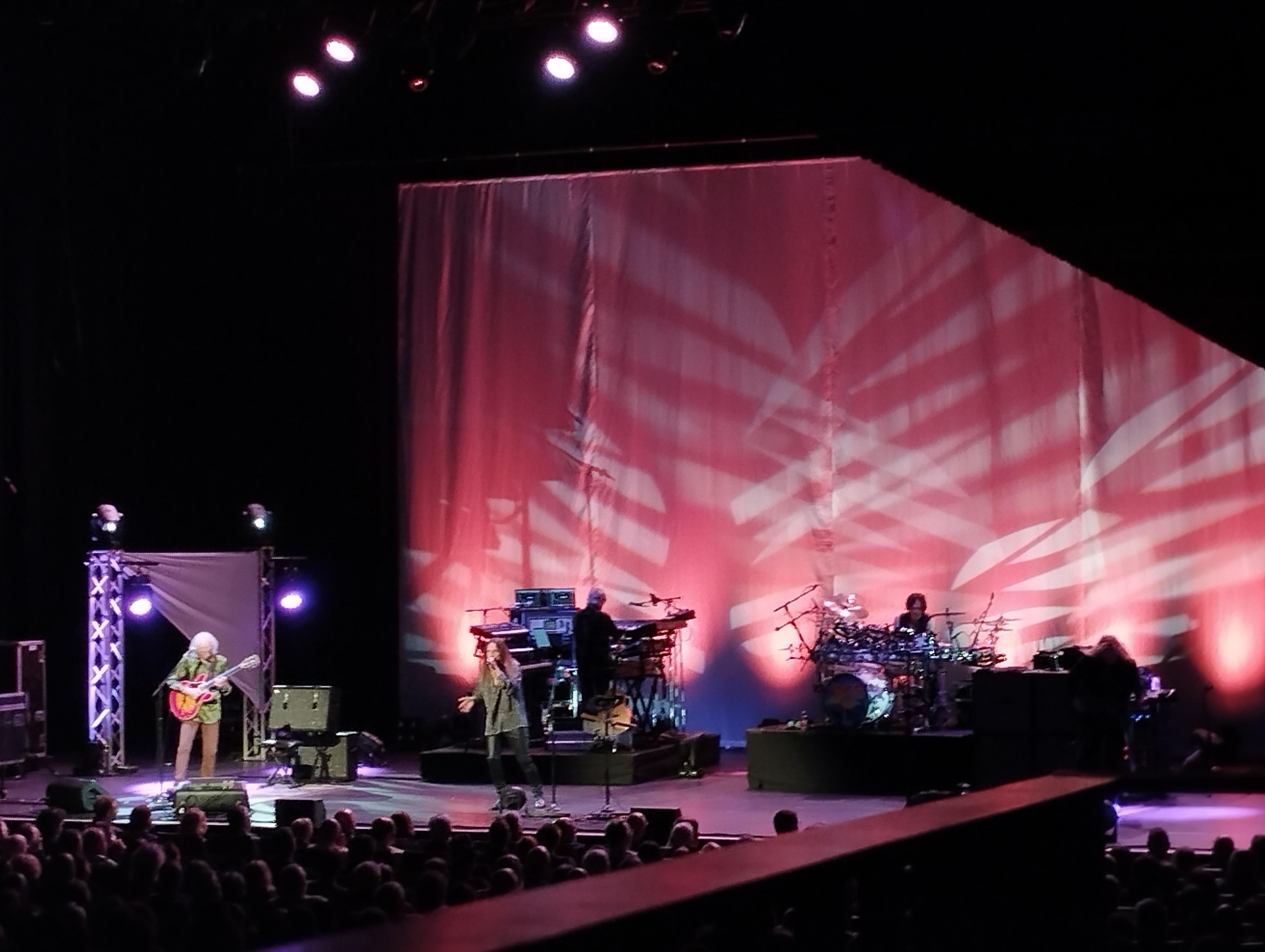
The Avignon Festival has selected Korean as an official invited language for the first time [1].
This designation marks a significant shift in the global performing arts landscape, signaling an increasing institutional acceptance of non-Western linguistic and theatrical traditions on the world's most prestigious stages.
As the world’s largest performing-arts festival [1], Avignon will feature Korean-language productions on its main stage. Korean is the first Asian language ever to be invited as an official language at the event [1]. The inclusion aims to promote cultural exchange between Korea and Europe, while showcasing the contemporary dynamism of the nation's theater scene.
Pierre Morcos, French Embassy Consul General, said the "poetic power as well as the dynamism and creativity of contemporary Korean theater" [1].
Beyond France, Korean theatrical influence is reaching the United Kingdom. Korean works are currently being staged in London’s West End using the Daehak-ro style [1]. Daehak-ro, the theater district in Seoul, is known for its distinct approach to production and performance, which is now being exported to one of the most competitive theater markets in the world.
These simultaneous developments in France and the UK suggest a coordinated expansion of Korean cultural exports. By integrating the Korean language into the core programming of the Avignon Festival, organizers are moving beyond mere translation toward a deeper recognition of the language's inherent artistic value [1].
“Korean is the first Asian language ever invited as an official language at the Avignon Festival”
The elevation of Korean to an official invited language at Avignon, coupled with the adoption of the Daehak-ro style in London, indicates that the 'Korean Wave' has evolved from pop music and cinema into high-brow performing arts. This transition suggests that Korean theatrical structures and linguistic nuances are now viewed by European institutions as universal artistic assets rather than niche ethnic imports.


