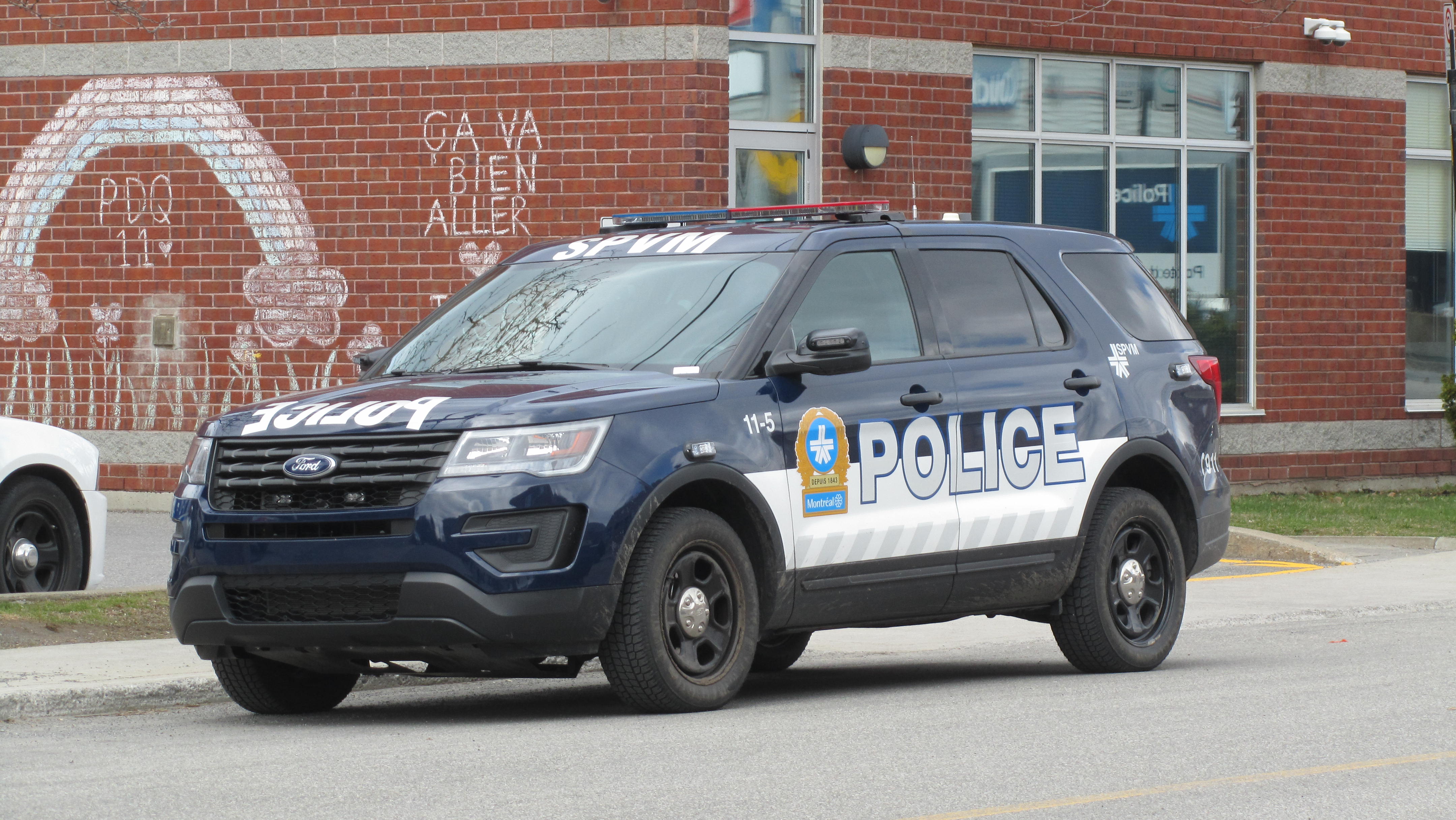
Montreal city officials are promoting the use of body-worn cameras for the Service de police de la Ville de Montréal (SPVM) to prevent problematic police behavior [1].
The initiative aims to address recent allegations of racist acts by officers within the force [1]. However, the strategy has sparked a debate among academics and legal experts regarding whether technology can effectively solve deep-rooted systemic racism in law enforcement.
Massimiliano Mulone, a professor at the Université de Montréal, said the introduction of these cameras may be a counter-productive solution [1]. The concern is that such measures provide a superficial fix that does not address the underlying causes of police misconduct [2].
City officials said the cameras will provide an objective record of interactions between officers and the public [1]. They said the presence of recording devices will deter officers from engaging in discriminatory behavior and provide evidence when abuses occur [1].
Opponents of the plan said the focus on surveillance shifts the conversation away from necessary structural reforms [2]. They said the cameras may not be used consistently, or that the footage may not be made accessible to the public in a transparent manner [2].
The debate highlights a tension between the desire for immediate technological oversight and the demand for long-term institutional change within the SPVM [1]. Critics said that relying on cameras creates a false sense of security while leaving the culture of the police force unchanged [2].
“Experts argue that body-worn cameras may be a counter-productive solution.”
The controversy reflects a broader global tension in policing where technology is often deployed as a rapid response to public outcry over racism. By prioritizing body cameras over structural policy reform, the SPVM risks implementing a tool that monitors symptoms of misconduct without treating the institutional causes of bias.

