President Donald Trump and French President Emmanuel Macron held a bilateral meeting in Evian, France, during the 2026 [1] G7 summit.
The meeting marks a critical coordination point between the U.S. and its European allies as they navigate a shifting security landscape in the Middle East. The talks focused on the readiness of military forces and the formalization of a diplomatic breakthrough with Iran.
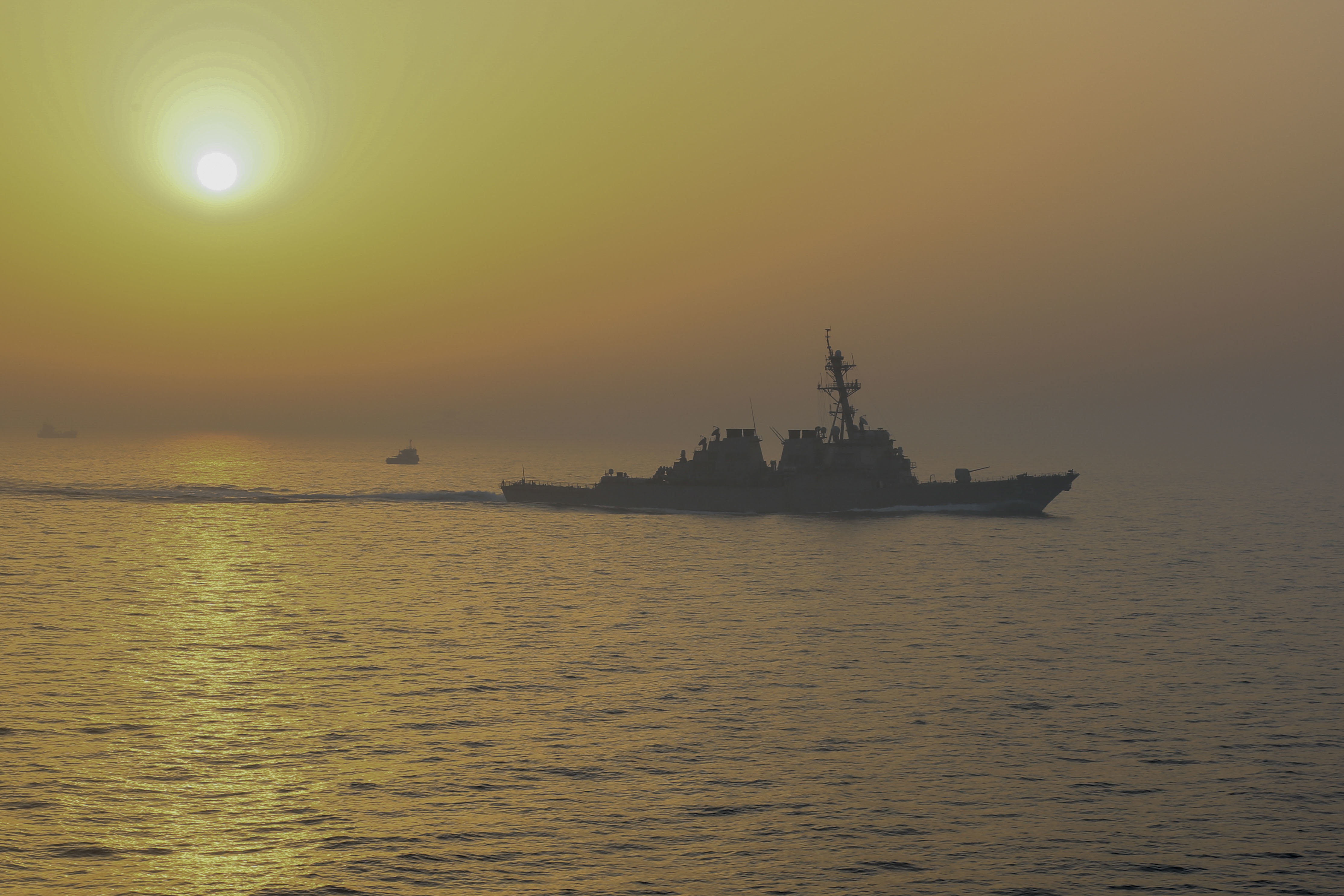
President Macron addressed the security of maritime trade routes during the summit. He said, "European forces are ready to deploy in the Strait of Hormuz" [2]. This deployment signal suggests a coordinated effort to maintain stability in one of the world's most volatile chokepoints.
Parallel to these security discussions, President Trump provided an update on a forthcoming U.S.–Iran peace deal. The U.S. president said that the text of the agreement would be made public shortly after a signing scheduled for Friday.
"This is a very powerful document and I want it to be released," Trump said. "So probably pretty soon. I would say after sometime after Friday" [3].
The bilateral session occurred as other world leaders arrived in France, including Prime Minister Narendra Modi of India, for a series of high-stakes diplomatic engagements [4]. The 2026 [1] summit in Evian serves as the primary venue for these leaders to synchronize their approach to global security, and trade.
“"European forces are ready to deploy in the Strait of Hormuz."”
The convergence of European military readiness in the Strait of Hormuz and the imminent release of a U.S.–Iran peace deal indicates a dual-track strategy of deterrence and diplomacy. By securing the waterway through European deployment while finalizing a formal agreement, the U.S. and France are attempting to stabilize the region's energy corridors and reduce the risk of direct conflict.