The U.S. and Iran announced a peace agreement on June 14, 2026 [1], establishing an immediate and permanent ceasefire between the two nations [2].
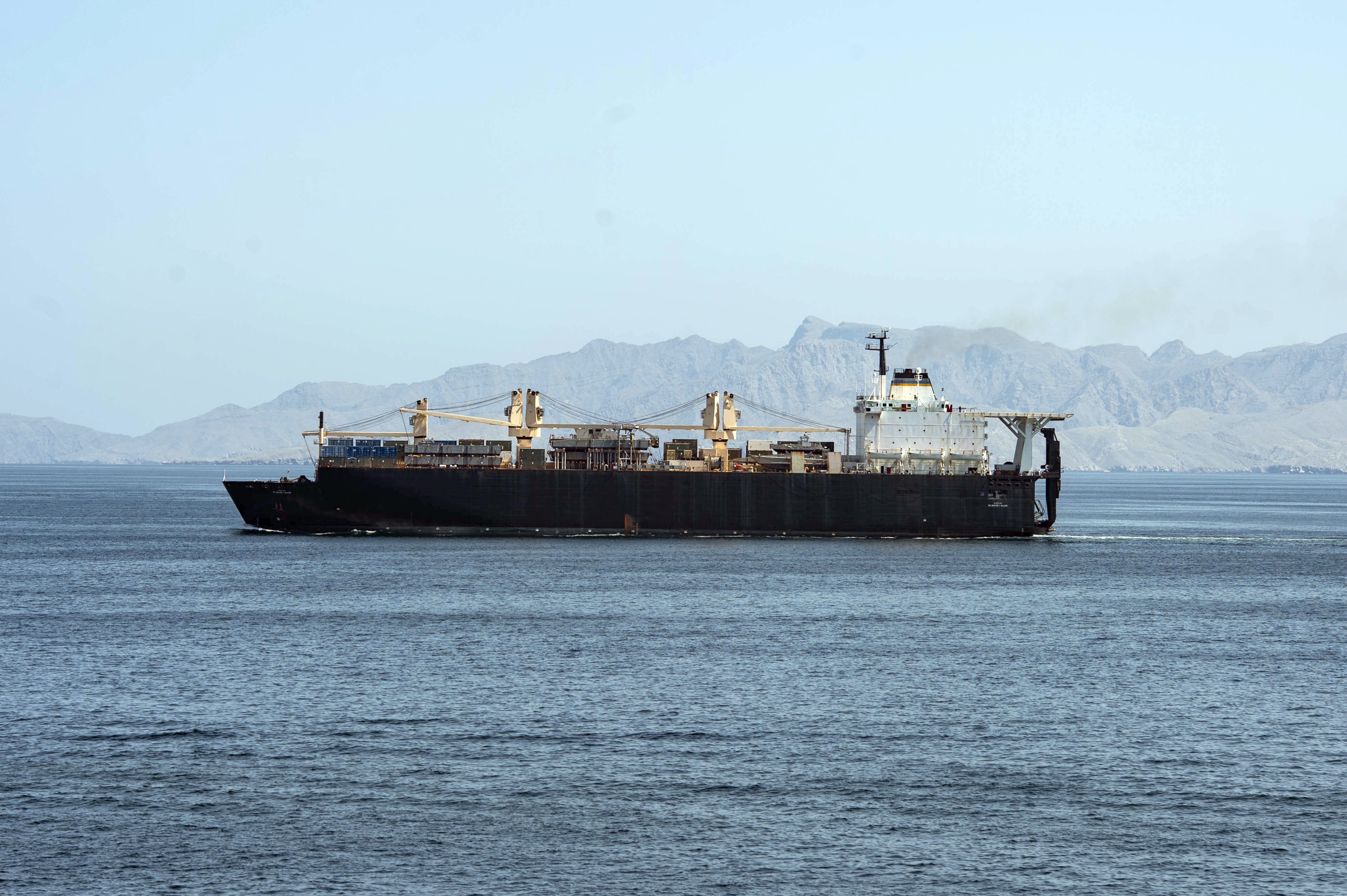
The agreement aims to stabilize global energy markets and halt military operations that had threatened to escalate into a wider regional conflict. It specifically addresses the reopening of the Strait of Hormuz, a critical chokepoint for international oil shipments [2].
According to reports, the deal creates a framework for further negotiations to resolve long-standing disputes [2]. The process was facilitated by Pakistan, with Prime Minister Shehbaz Sharif playing a mediating role to bring the parties together [3]. This diplomatic effort comes after a conflict that lasted nearly four months [4].
UN Secretary-General António Guterres welcomed the development. "The Secretary-General welcomes the announcement that the United States and Iran have agreed on a peace deal that provides for an immediate and permanent ceasefire, the reopening of the Strait of Hormuz, as well as a framework for further negotiations," Guterres said [2].
Despite the announcement, some reports indicate a lack of consensus on the finality of the deal. While major outlets reported a successful agreement, The Globe and Mail reported that the U.S. and Iran failed to secure a peace agreement in Islamabad [2]. Additionally, NDTV reported that Iranian media suggested the U.S. was still considering new strikes, which would contradict the terms of a permanent ceasefire [2].
The agreement has significant implications for Lebanon and the broader Middle East, as it seeks to end the direct military confrontation between President Donald Trump's administration and Iranian government officials [1, 2].
“The deal provides for an immediate and permanent ceasefire and the reopening of the Strait of Hormuz.”
The reported agreement represents a high-stakes attempt to pivot away from a four-month war that threatened global economic stability. However, the contradictions between reporting agencies suggest that while a diplomatic framework may exist, the operational reality on the ground remains volatile. The role of Pakistan as a mediator marks a significant shift in regional diplomacy, positioning Islamabad as a key bridge between Washington and Tehran.


'%2F%3E%0A%20%20%20%20%3Crect%20width%3D'1600'%20height%3D'900'%20fill%3D'url(%23v)'%2F%3E%0A%20%20%20%20%3Cg%20opacity%3D'0.08'%20fill%3D'%23ffffff'%3E%0A%20%20%20%20%20%20%3Ccircle%20cx%3D'1420'%20cy%3D'180'%20r%3D'220'%2F%3E%0A%20%20%20%20%20%20%3Ccircle%20cx%3D'1500'%20cy%3D'760'%20r%3D'120'%2F%3E%0A%20%20%20%20%3C%2Fg%3E%0A%20%20%20%20%3Cline%20x1%3D'80'%20y1%3D'172'%20x2%3D'220'%20y2%3D'172'%20stroke%3D'%23ffffff'%20stroke-width%3D'3'%20stroke-opacity%3D'0.6'%2F%3E%0A%20%20%20%20%3Ctext%20x%3D'80'%20y%3D'140'%20font-family%3D'Inter%2C%20-apple-system%2C%20Helvetica%2C%20sans-serif'%20font-weight%3D'700'%20font-size%3D'28'%20fill%3D'%23ffffff'%20letter-spacing%3D'6'%3EHANNA%20%C2%B7%20NEWS%3C%2Ftext%3E%0A%20%20%20%20%3Ctext%20x%3D'80'%20y%3D'230'%20font-family%3D'Inter%2C%20-apple-system%2C%20Helvetica%2C%20sans-serif'%20font-weight%3D'600'%20font-size%3D'40'%20fill%3D'%23ffffffb3'%20letter-spacing%3D'4'%3EWORLD%3C%2Ftext%3E%0A%20%20%20%20%3Ctext%20x%3D'80'%20y%3D'694'%20font-family%3D'Playfair%20Display%2C%20Georgia%2C%20serif'%20font-weight%3D'800'%20font-size%3D'110'%20fill%3D'%23ffffff'%20letter-spacing%3D'-1'%3EBihar%20Health%20Minister%26apos%3Bs%3C%2Ftext%3E%3Ctext%20x%3D'80'%20y%3D'820'%20font-family%3D'Playfair%20Display%2C%20Georgia%2C%20serif'%20font-weight%3D'800'%20font-size%3D'110'%20fill%3D'%23ffffff'%20letter-spacing%3D'-1'%3EYoga%20Performance%20Goes%20Viral%3C%2Ftext%3E%0A%20%20%20%20%3Ctext%20x%3D'80'%20y%3D'870'%20font-family%3D'Inter%2C%20-apple-system%2C%20Helvetica%2C%20sans-serif'%20font-weight%3D'500'%20font-size%3D'22'%20fill%3D'%23ffffff66'%20letter-spacing%3D'2'%3Enews.hanna-ai.com%3C%2Ftext%3E%0A%20%20%3C%2Fsvg%3E)