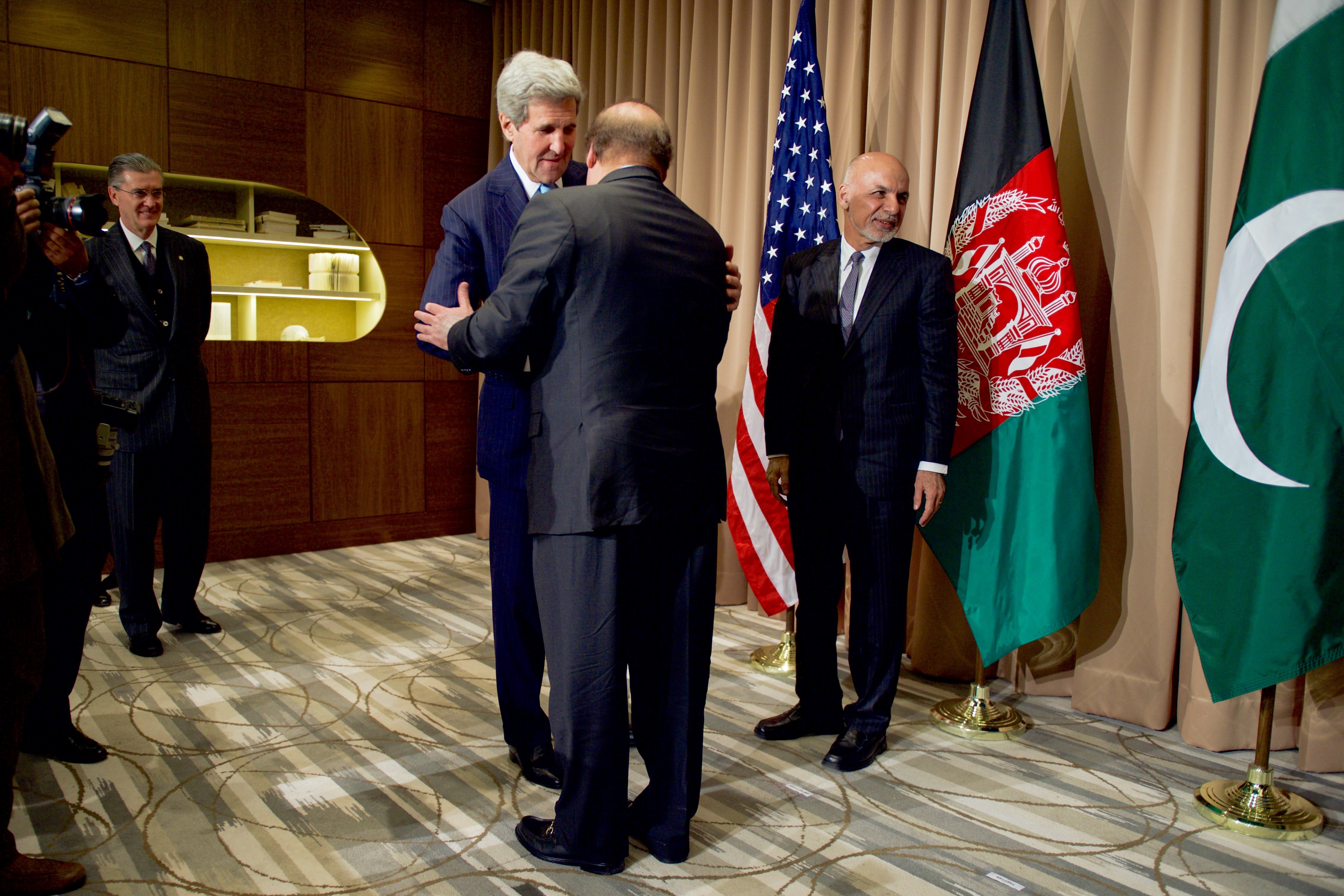
The United States and Iran are resuming high-stakes diplomatic talks in Switzerland [1].
These negotiations represent a critical attempt to stabilize relations between the two adversaries. The involvement of third-party mediators suggests a concerted effort to find common ground on security and diplomatic issues that have remained deadlocked for years.
Pakistan and Qatar are acting as key mediators for the proceedings [1]. The two nations are facilitating the dialogue to help the U.S. and Iran navigate the complexities of their bilateral disputes. This mediation framework is designed to provide a neutral bridge for communication in a region marked by volatility.
The talks occur in Switzerland, a country known for its long history of hosting sensitive diplomatic discussions [1]. By utilizing a neutral venue, both parties aim to conduct negotiations away from the immediate political pressures of their respective home capitals.
Officials from the U.S. and Iran are meeting to continue negotiations [1]. While the specific agenda items were not detailed in the reports, the resumption of dialogue indicates a willingness to engage in diplomacy over unilateral action.
The role of Islamabad and Doha as intermediaries highlights the shifting geopolitical influence in the Middle East and South Asia. These nations are leveraging their unique relationships with both Washington and Tehran to foster a potential breakthrough in the diplomatic stalemate [1].
“The United States and Iran are resuming high-stakes diplomatic talks in Switzerland.”
The resumption of talks indicates that both the U.S. and Iran view diplomatic channels as a necessary alternative to escalating tensions. The reliance on Pakistan and Qatar as mediators underscores the importance of regional power brokers in facilitating communication when direct bilateral ties are severed or strained.