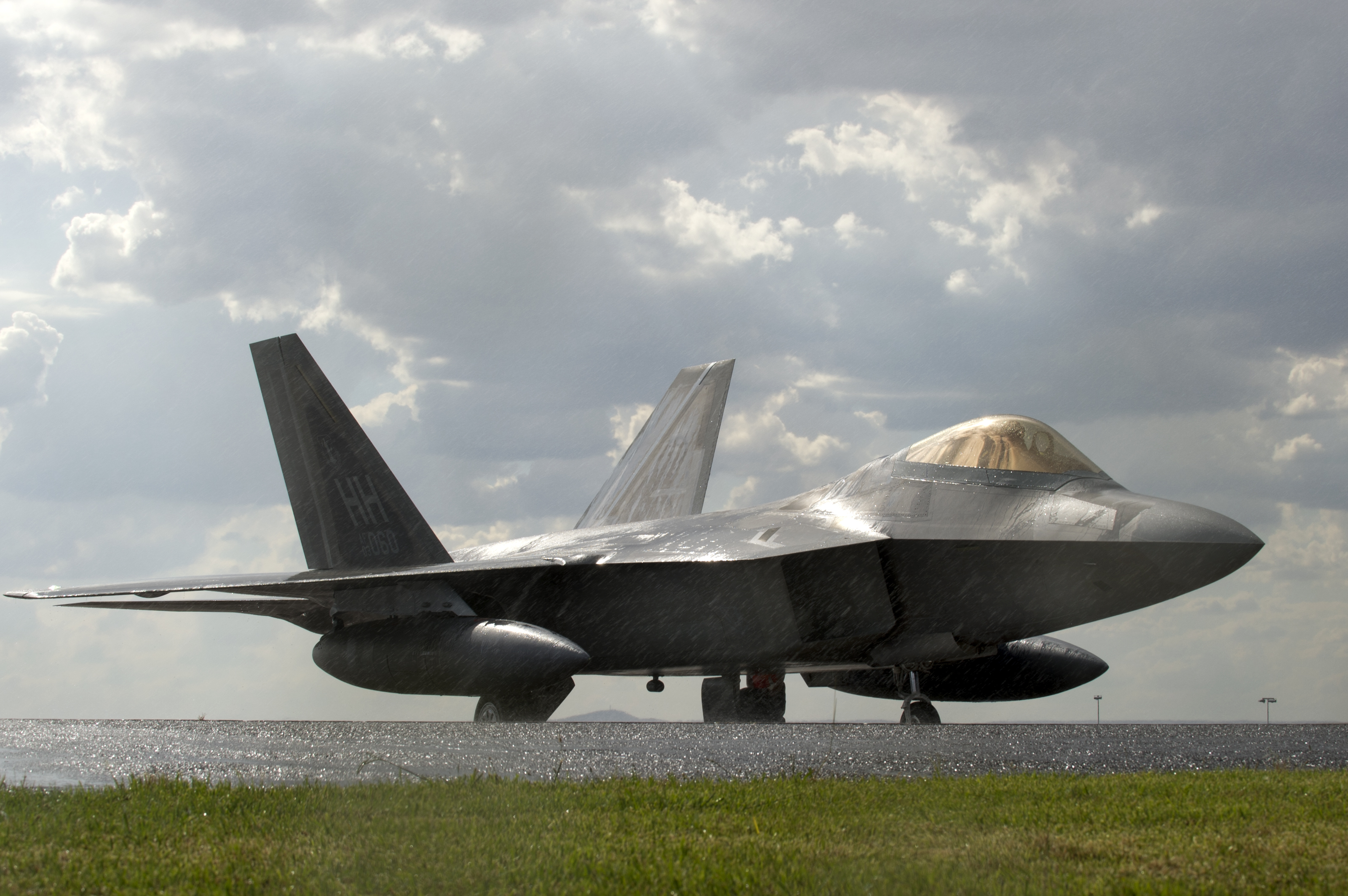
The U.S. Marine Corps is planning the construction of a permanent, war-ready weapons stockpile on the southeastern coast of Australia [1].
This strategic move aims to position critical munitions beyond the range of most Chinese missiles, reducing the risk of assets being destroyed in the early stages of a conflict. By establishing a secure logistics hub, the U.S. military intends to strengthen its operational readiness and defense presence across the Indo-Pacific region [1, 3].
Documents released in 2022 detail the plan to build warehouses and offices in the state of Victoria [3, 4]. The project includes an allocation of $30 million for the construction of these facilities [3, 4, 6]. The site is designed to serve as a crisis-ready repository, ensuring that the Marine Corps has immediate access to weaponry without relying on long-distance transport from the United States during a contingency [1, 2].
This development follows a broader trend of increasing U.S. military cooperation with Australia. The presence of a permanent stockpile allows for a more agile response to regional instabilities and supports the overarching strategy of deterring aggression in the South China Sea and surrounding waters [1, 5].
The decision to locate the stockpile in Victoria provides a geographical advantage. By moving supplies further south and away from primary forward-operating bases, the U.S. creates a tiered logistics network, one that is harder for adversaries to neutralize with long-range strikes [1, 2].
While the project was outlined in documents from 2022, it represents a long-term shift in how the U.S. manages its military footprint in the Pacific. The investment in permanent infrastructure indicates a move away from temporary rotations toward a more enduring military posture in Australia [3, 5].
“The U.S. Marine Corps is planning the construction of a permanent, war-ready weapons stockpile on the southeastern coast of Australia.”
The establishment of a permanent munitions site in Victoria signals a strategic shift toward 'distributed lethality' in the Indo-Pacific. By decentralizing its stockpiles and placing them beyond the immediate reach of adversary missile systems, the U.S. is mitigating the risk of a 'single point of failure' in its logistics chain. This move reinforces the U.S.-Australia security alliance and suggests that the U.S. is preparing for a high-intensity conflict scenario where traditional bases may be vulnerable.


