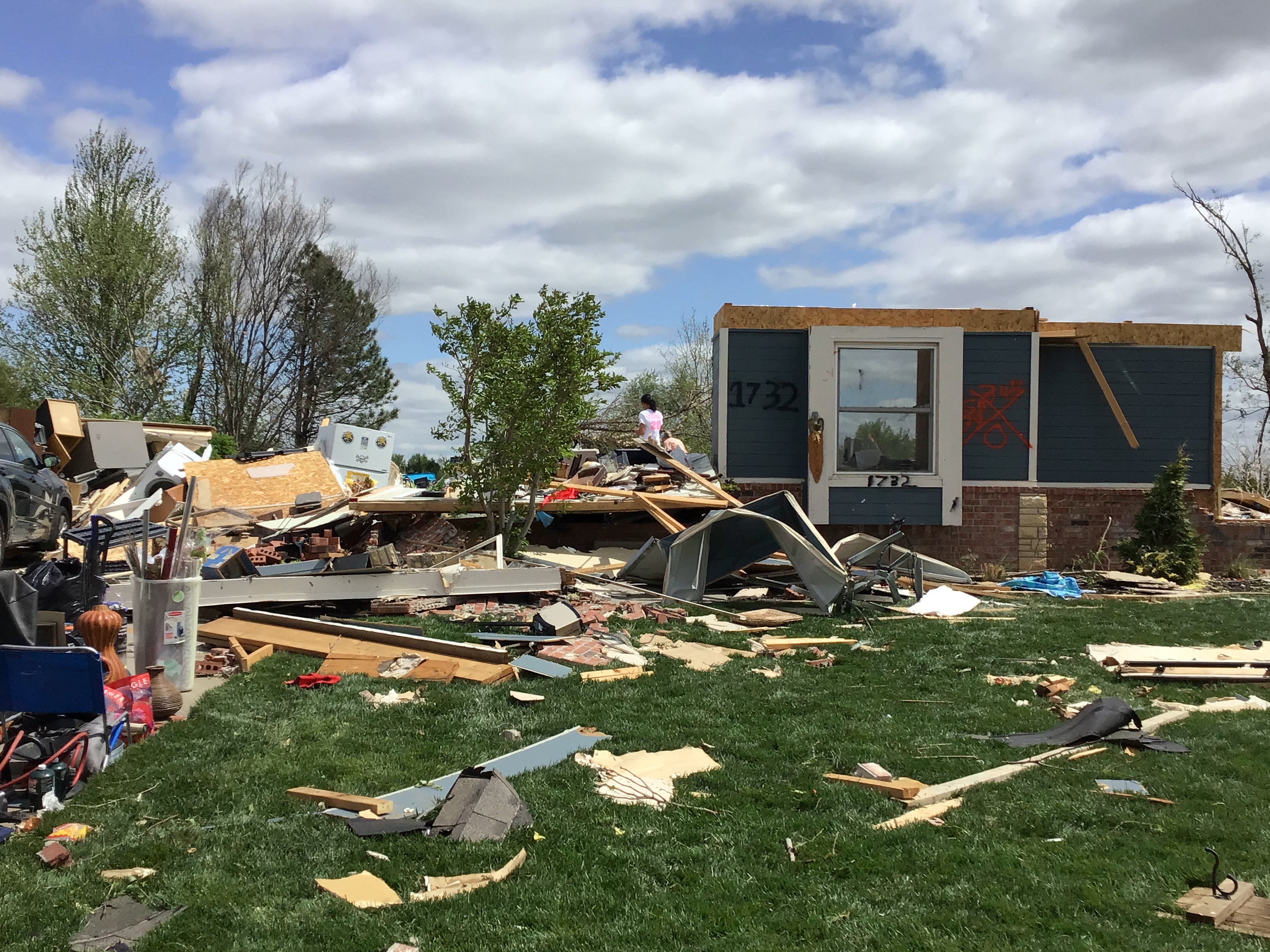
Severe thunderstorms are expected to move across the central U.S. this weekend, bringing risks of large hail and isolated tornadoes [1, 2].
These weather patterns pose a significant threat to infrastructure and public safety across the Plains. The volatility of the current system could lead to rapid escalations in storm intensity, requiring residents to remain vigilant for emergency alerts.
The weather activity is driven by a jet stream aloft colliding with warm, moisture-rich air [1]. This interaction creates atmospheric conditions favorable for the development of severe thunderstorms [1]. NOAA's Storm Prediction Center issued a Level 2 out of 5 risk for these severe storms [3].
Forecasters expect the activity to peak during the weekend of May 30, 2026 [4]. While much of the severe weather is projected to spread eastward from the Plains, there is a specific risk for the Denver metro area and eastern Colorado [2].
There are conflicting reports regarding the exact timing and location of the impact in Colorado. Some forecasts suggest the storms will most likely stay east of Denver [5]. However, other meteorological data indicates that strong to severe storms are possible across both Denver and eastern Colorado [2].
Additional risks are projected to persist into Monday, June 1, 2026 [4]. Some forecasts identify a slight risk for severe storms on that Monday [2], while other reports suggest the storms will likely return to the Denver metro area early next week [5].
The projected hazards include damaging winds, and large hail [1, 2]. These elements, combined with the potential for tornadoes, make the current system a primary concern for meteorologists monitoring the central U.S. [1, 2].
“NOAA's Storm Prediction Center issued a Level 2 out of 5 risk for these severe storms.”
The collision of a high-altitude jet stream with moisture-heavy air creates a volatile environment where storms can intensify quickly. The discrepancy in forecasts for the Denver area highlights the difficulty of predicting exact storm tracks near the Front Range, meaning local residents should prepare for sudden changes in weather despite varying projections.