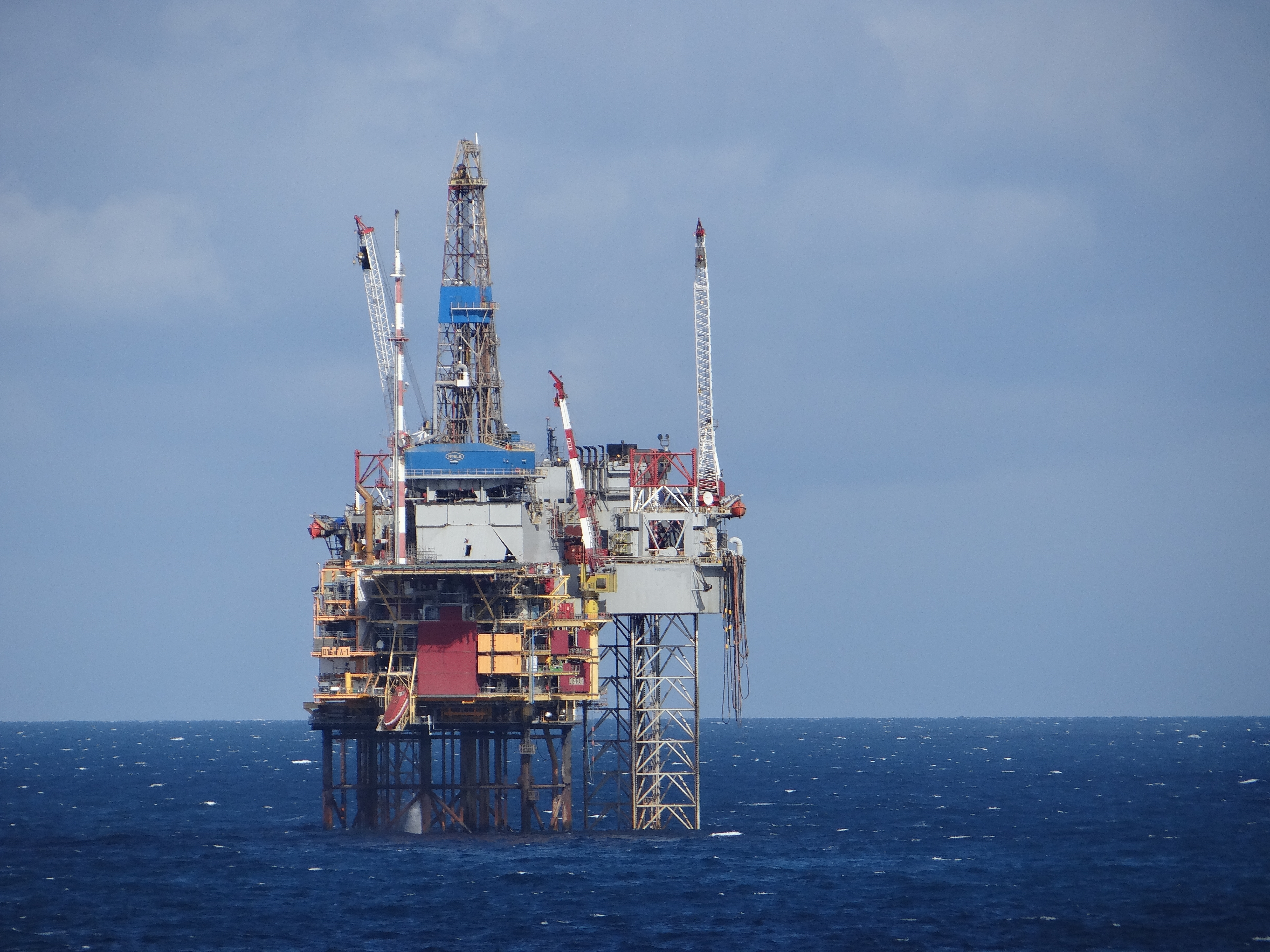
BP announced on Friday that it is putting its North Sea oil and gas business up for sale [1].
This move signals a significant shift for the British energy giant as it navigates a volatile global energy market and increasing fiscal pressure. The exit from the UK Continental Shelf reflects a broader strategic pivot to reduce corporate debt, and simplify the company's structure under its new leadership [1], [2].
The decision comes after approximately 60 years of production in the region [1]. BP's departure follows a period of mounting financial challenges, including higher windfall taxes imposed on energy companies operating in the UK [1], [3]. These taxes have impacted the profitability of North Sea assets, making them less attractive for long-term holding.
Company officials said the sale is part of a strategy to streamline the organization. By offloading these assets, the firm intends to lower its debt burden, and refocus its capital on other priorities [2], [3]. The timing of the announcement on July 31, 2026 [2], aligns with a wider industry trend of majors diversifying away from mature basins.
Global energy markets have remained unstable, complicating the operational landscape for traditional oil and gas extraction. The combination of market volatility and the UK's current drilling dilemma has created an environment where BP believes a sale is the most viable path forward [3].
The company has not yet named a buyer or specified the final valuation of the assets. However, the move marks the end of an era for BP's presence in the North Sea, which has been a cornerstone of its production for six decades [1].
“BP announced on Friday that it is putting its North Sea oil and gas business up for sale.”
BP's exit from the North Sea illustrates the growing tension between traditional fossil fuel extraction and the financial realities of the energy transition. The combination of aggressive windfall taxes and a corporate mandate to reduce debt suggests that mature basins are increasingly viewed as liabilities rather than assets. This move may prompt other energy majors to re-evaluate their UK portfolios as the cost of production rises against a backdrop of volatile global pricing.