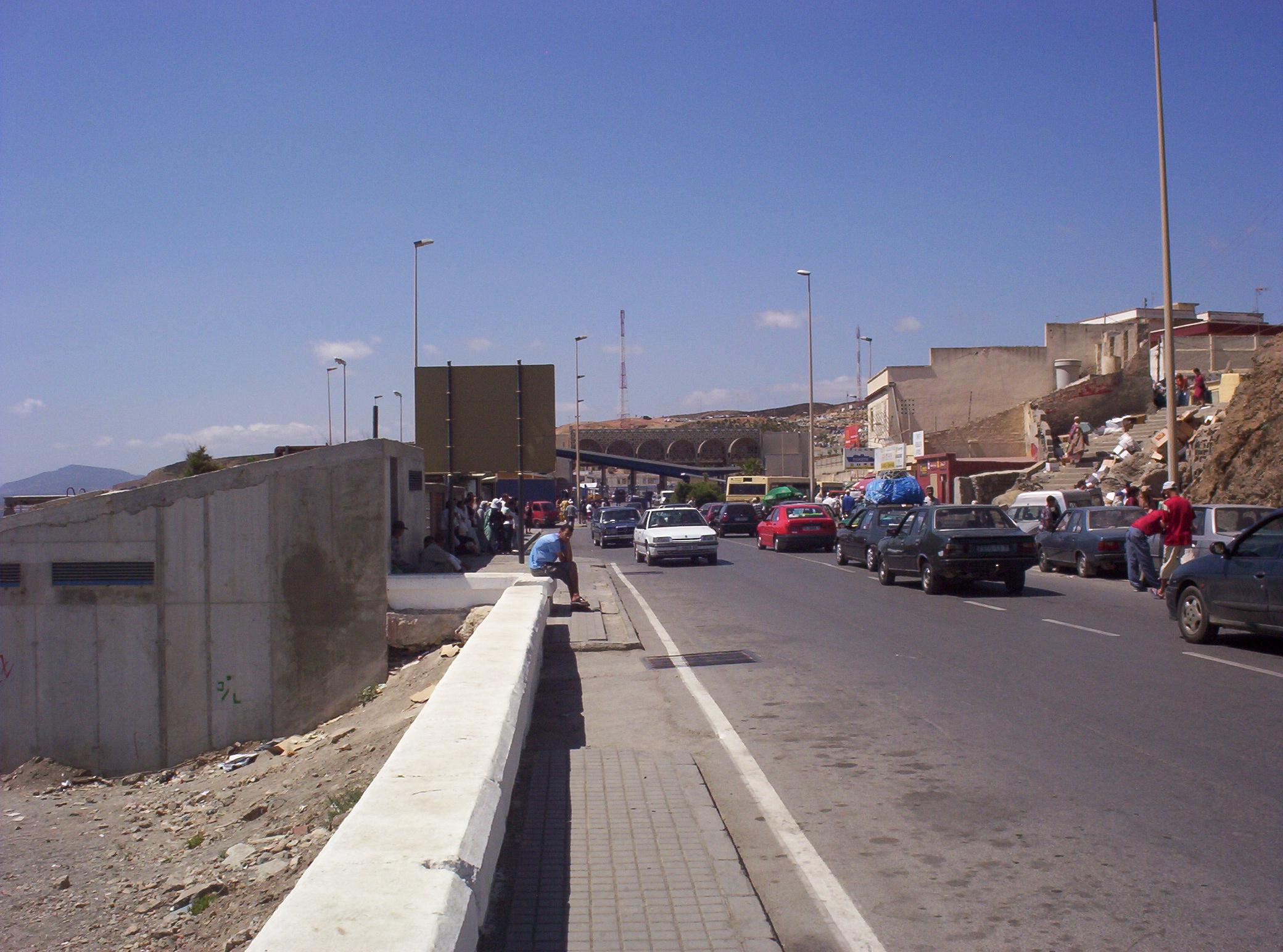
Dozens of migrants drowned Friday while attempting to swim from Morocco into the Spanish enclave of Ceuta [1, 2, 3].
The incident underscores the extreme risks migrants face on one of the busiest routes into Europe, where dangerous sea conditions and strict border controls often lead to mass casualties.
Reports on the death toll vary significantly. The Guardian said at least 24 died [2], while The Hindu said at least 34 died [1]. Reuters, via U.S. News, provided a higher figure of 57 deaths [3].
The surge of people attempting the crossing reached critical levels this week. According to U.S. News, 49,000 migrants crossed into the enclave in a single day [3].
Juan Jesús Vivas, the president of Ceuta, said a total of 60,000 migrants entered the territory from Morocco [4]. This influx has placed immense pressure on local infrastructure and border security.
In response to the rush, Spanish authorities have begun deportations. Reports indicate that 25,000 migrants have been sent back from Ceuta to Morocco [4].
The crossing involves a perilous journey across the Strait of Gibraltar. Migrants, including men, women, and children, often attempt the swim or use small boats to evade checkpoints—a strategy that frequently results in drowning during rough seas.
Spanish and Moroccan authorities continue to manage the maritime border, though the scale of the recent rush has overwhelmed standard processing capacities [1, 3].
“Dozens of migrants drowned while attempting to swim from Morocco into the Spanish enclave of Ceuta.”
The discrepancy in death tolls and the massive volume of arrivals suggest a chaotic border situation where tracking casualties in real-time is difficult. The rapid deportation of 25,000 people indicates a policy of immediate deterrence by Spanish authorities to prevent the enclave from becoming a permanent settlement point for those fleeing Morocco.

