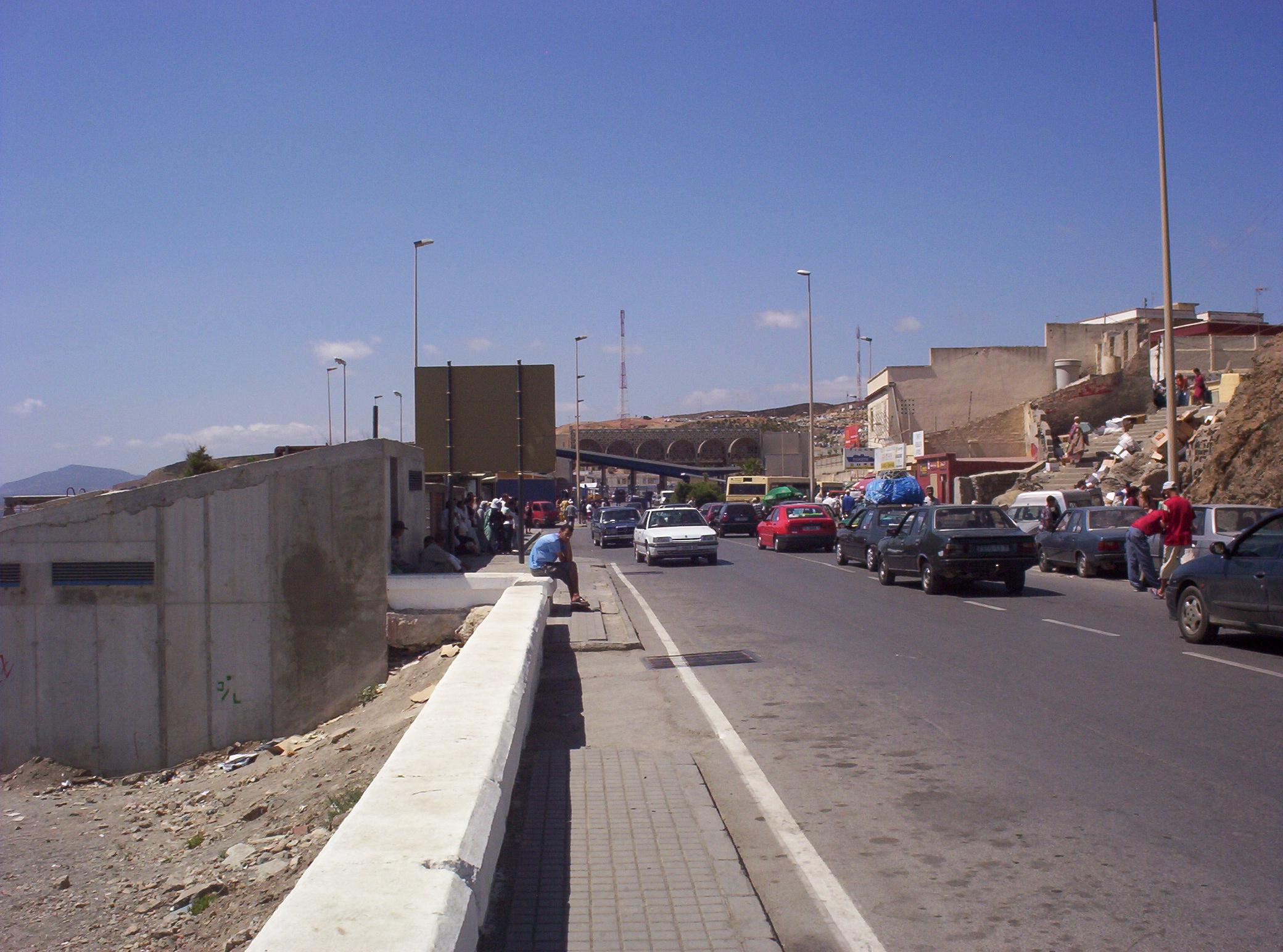
Moroccan migrants stormed the Beni Ansar border-crossing complex on July 30, 2024, scaling buildings to enter Spain's autonomous city of Melilla [1, 2].
The incident highlights the persistent pressure on the border between Morocco and the Spanish enclave, where thousands seek entry into the European Union.
Crowds of people gathered at the Beni Ansar crossing, where they poured into the facility [1, 3]. Witnesses said that the migrants scaled the buildings within the border complex to bypass security measures and move toward the Spanish side [1, 2].
Beni Ansar has been the only functional crossing between Morocco and Melilla for the past six years [3]. This restriction on movement has concentrated migration attempts at a single point of entry, increasing the likelihood of large-scale surges.
The autonomous city of Melilla remains one of the few land borders between the EU and Africa. Because the city is an enclave, it is surrounded by Moroccan territory, making the Beni Ansar crossing a critical juncture for both diplomacy and security [1, 3].
Security forces typically monitor these crossings to prevent unauthorized entry. The scale of the recent breach suggests a coordinated or spontaneous surge of individuals attempting to navigate the border buildings to reach the city [1, 2].
“Crowds stormed the Beni Ansar border-crossing complex”
The concentration of migration attempts at Beni Ansar is a direct result of the closure of other border points over the last six years. By limiting legal or functional transit to a single crossing, authorities have created a bottleneck that often leads to desperate attempts to scale infrastructure, complicating the geopolitical relationship between Morocco and Spain regarding border management.