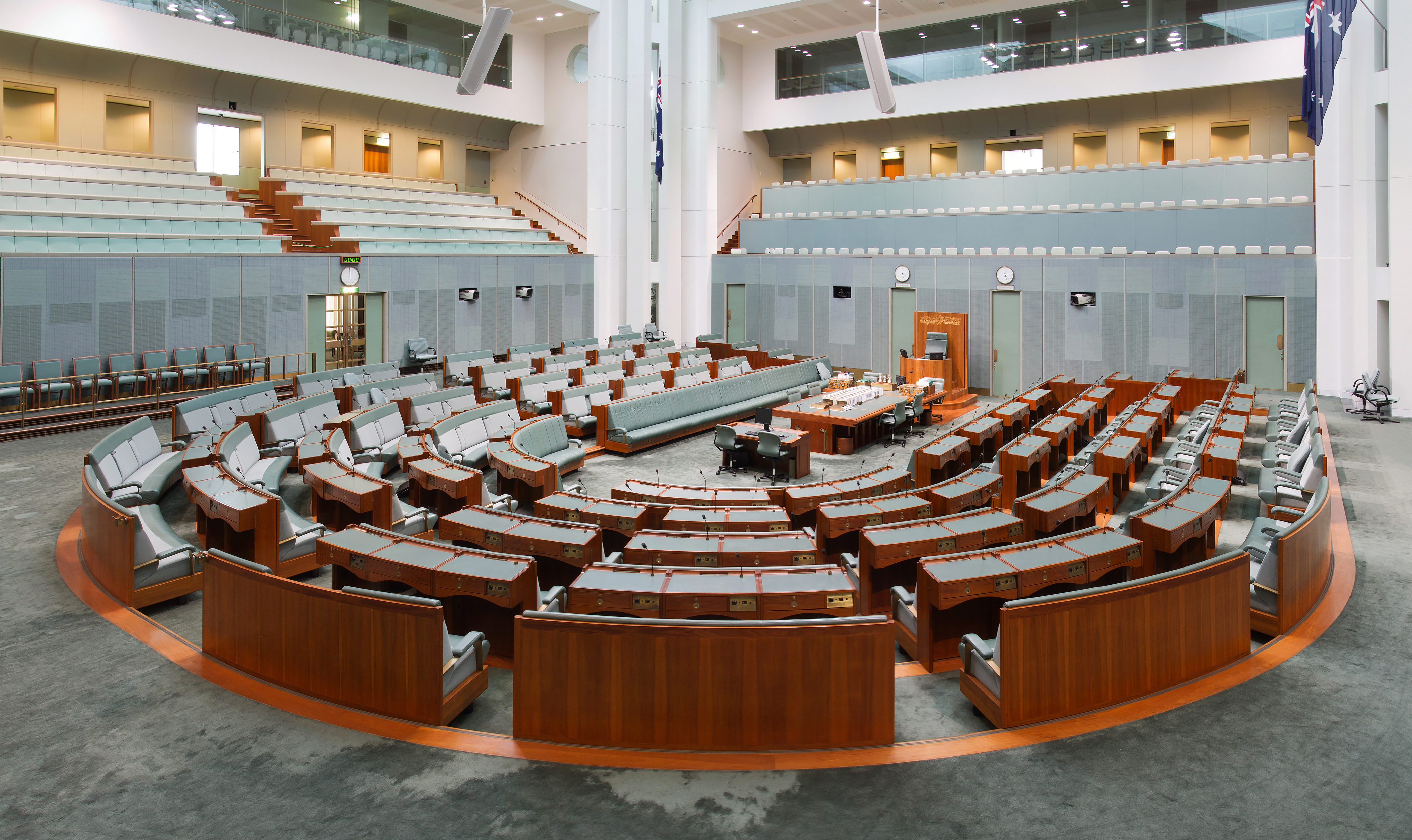
Trust among Australians has dropped to a low unseen this decade [1].
This decline in social cohesion threatens the stability of democratic systems and the ability of a multicultural society to function effectively.
Reports indicate that trust in each other has reached a critical low [1]. This trend is accompanied by a broader decline in trust regarding democracy itself [1]. The erosion of these social bonds suggests a growing divide within the population.
Analysts said that the current climate of political discourse is a primary driver of this trend. Specifically, increasing debates regarding multiculturalism and national identity could be behind the rising mistrust [1]. These discussions often polarize the electorate, creating friction between different community groups.
SBS News Australia said that the issue has become a worrying problem for the nation [1]. The shift reflects a departure from previous levels of social trust seen earlier in the decade.
While the specific drivers vary by demographic, the overarching trend points to a systemic issue with how national identity is being negotiated in the public square [1]. The loss of trust in fellow citizens often precedes a wider breakdown in institutional confidence.
“"Australians' trust in each other has dropped to a low unseen this decade,"”
The decline in interpersonal trust indicates a weakening of 'social capital,' which is the glue that holds democratic societies together. When citizens stop trusting one another, they are more likely to view political opponents as enemies rather than neighbors, making compromise more difficult and increasing the risk of social instability.