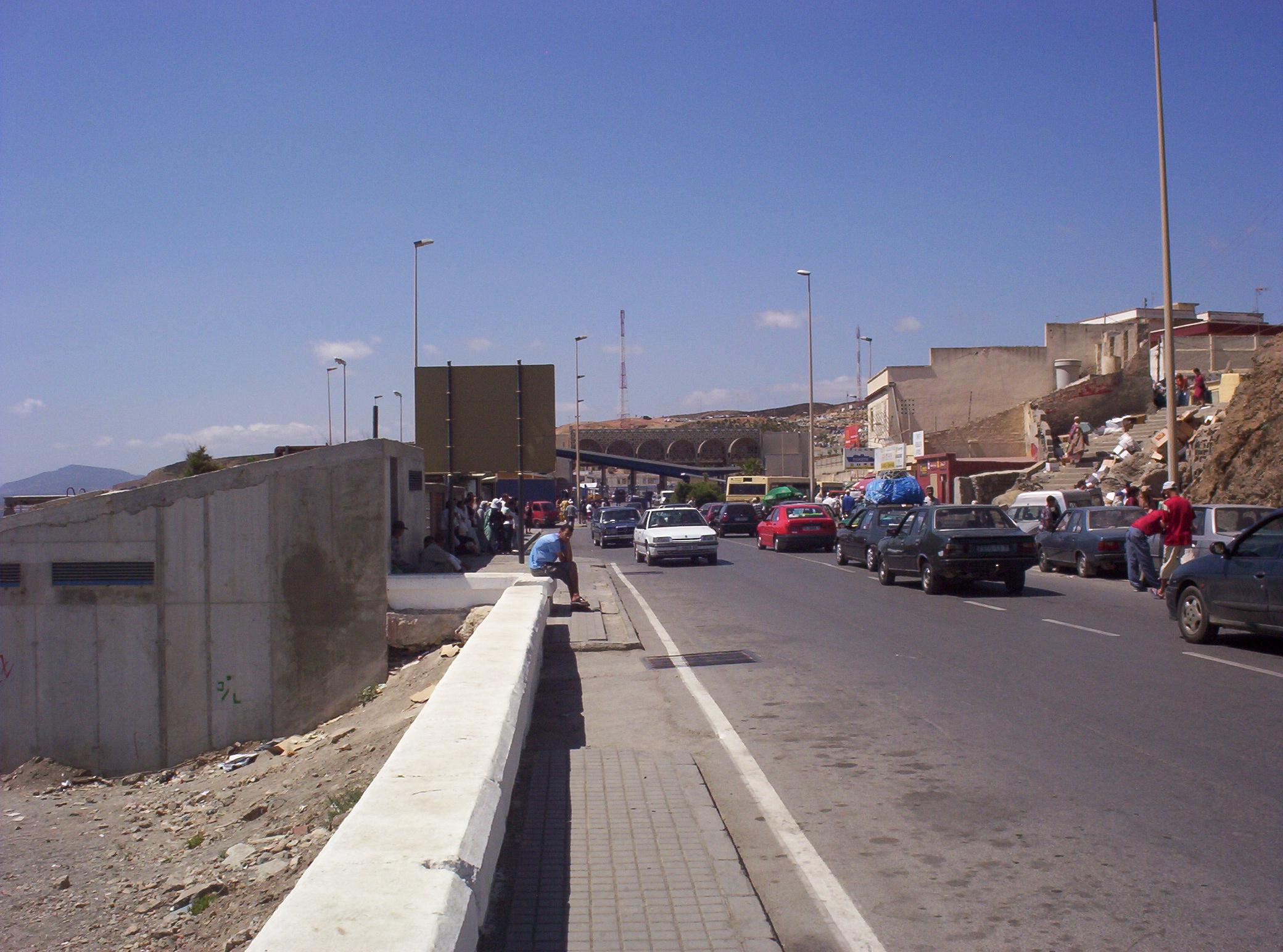
Thousands of migrants, primarily from Morocco, crossed the border into the Spanish enclave of Ceuta on Thursday by land and sea [1].
The surge highlights the precarious nature of the border and the ongoing struggle to manage migration flows into European territory. This specific influx follows an intensification of pressure after the Operation Paso del Estrecho [2].
Reports indicate that individuals entered the city by walking across firm ground and swimming across the breakwater that marks the boundary between Spain and Morocco [1, 2]. This activity led to a 30% increase in border activity compared to the previous week [2].
While some managed to enter, other groups were intercepted. Moroccan authorities prevented hundreds of migrants from reaching the Ceuta border [3].
The situation has sparked a legal and political debate regarding the treatment of those who arrive by water. The Spanish Supreme Court has established that "hot returns" — the immediate deportation of migrants without a formal process — are not possible for those who arrive by swimming [4].
However, this legal precedent is being challenged by political factions. The Partido Popular has proposed a legal reform that would allow for the border return of migrants who arrive by sea [5].
Local officials continue to monitor the breakwater area, where the most volatile crossings occur [1]. The pressure remains high as migrants seek entry into the European Union, often facing containment by Moroccan security forces before they can reach the Spanish perimeter [3].
“Thousands of migrants, primarily from Morocco, crossed the border into the Spanish enclave of Ceuta”
The increase in crossings via the breakwater exploits a legal loophole created by the Spanish Supreme Court's ruling against the immediate deportation of swimmers. By shifting their entry method from land to sea, migrants are attempting to secure a legal foothold in Europe, forcing a confrontation between judicial protections and the political desire for stricter border enforcement.


