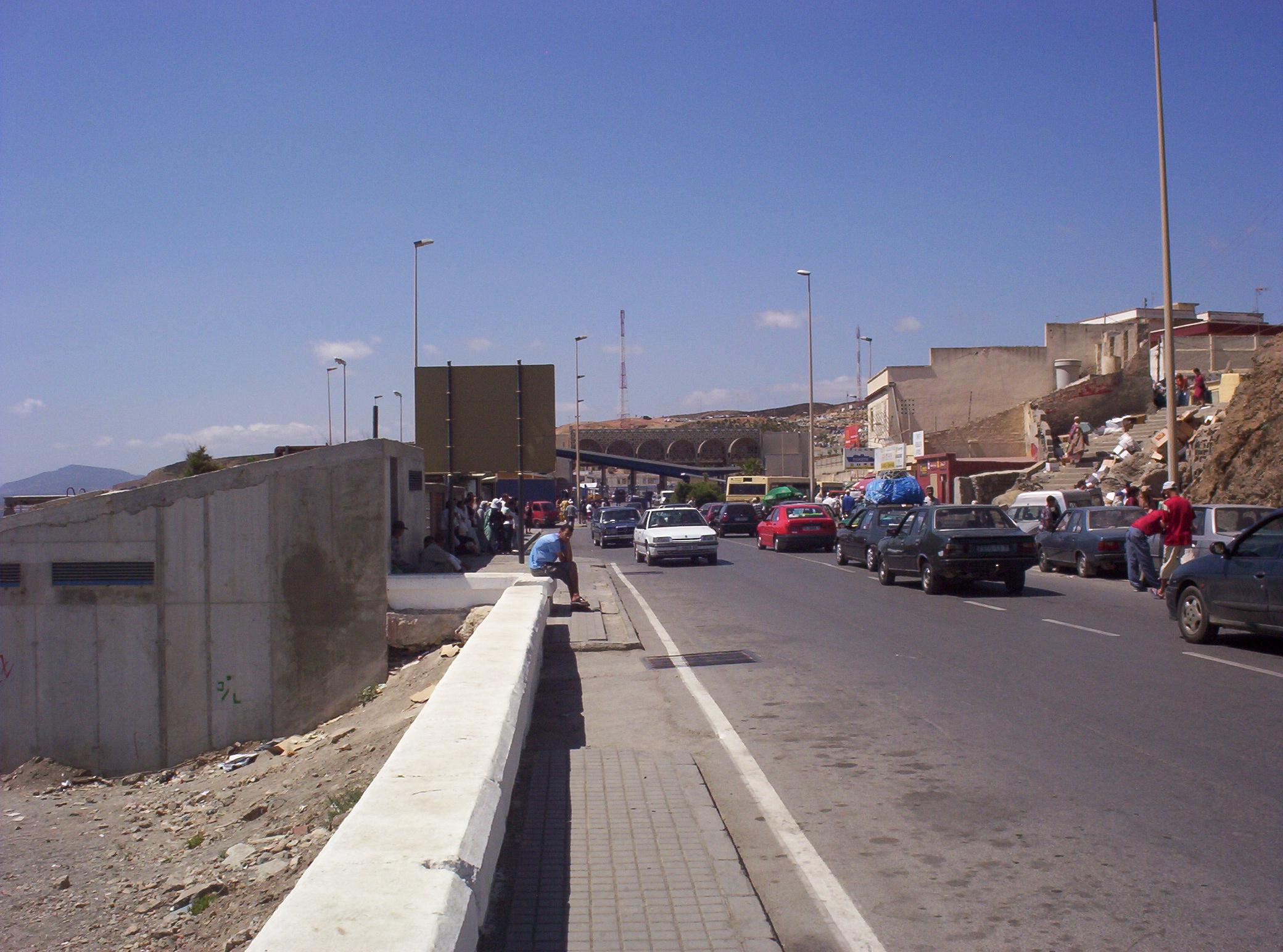
Between 50,000 [4] and 60,000 [3] migrants, primarily from Morocco, crossed into the Spanish enclave of Ceuta over a two-day period in May 2024 [2].
The surge represents a critical failure of border controls at the only land entrance between Africa and the European Union. The event triggered a humanitarian crisis and forced Spain to deploy security forces to regain control of the territory.
Authorities recovered 57 bodies on the Spanish side of the border [1]. The deaths occurred as thousands of people attempted to breach the perimeter to enter the EU [2].
Spain rushed to deploy army and police units to the border to stop the influx. The scale of the movement overwhelmed local infrastructure and security measures, leading to a chaotic environment where migrants were trapped between the two nations.
Following the surge, approximately 48,300 individuals returned to Morocco [2]. The discrepancy between the number of entrants and those who returned highlights the scale of the displacement and the difficulty in tracking individuals during the chaos.
Migrants sought entry into Ceuta to access the European Union [5]. The enclave serves as a strategic but volatile transit point for those attempting to migrate from North Africa into Europe [6].
“Authorities recovered 57 bodies on the Spanish side of the border”
The scale of this breach underscores the fragility of the EU's external borders and the persistent pressure of migration from North Africa. By utilizing Ceuta as a gateway, migrants expose the geopolitical tension between Spain and Morocco, where border security is often used as a lever in diplomatic negotiations.


