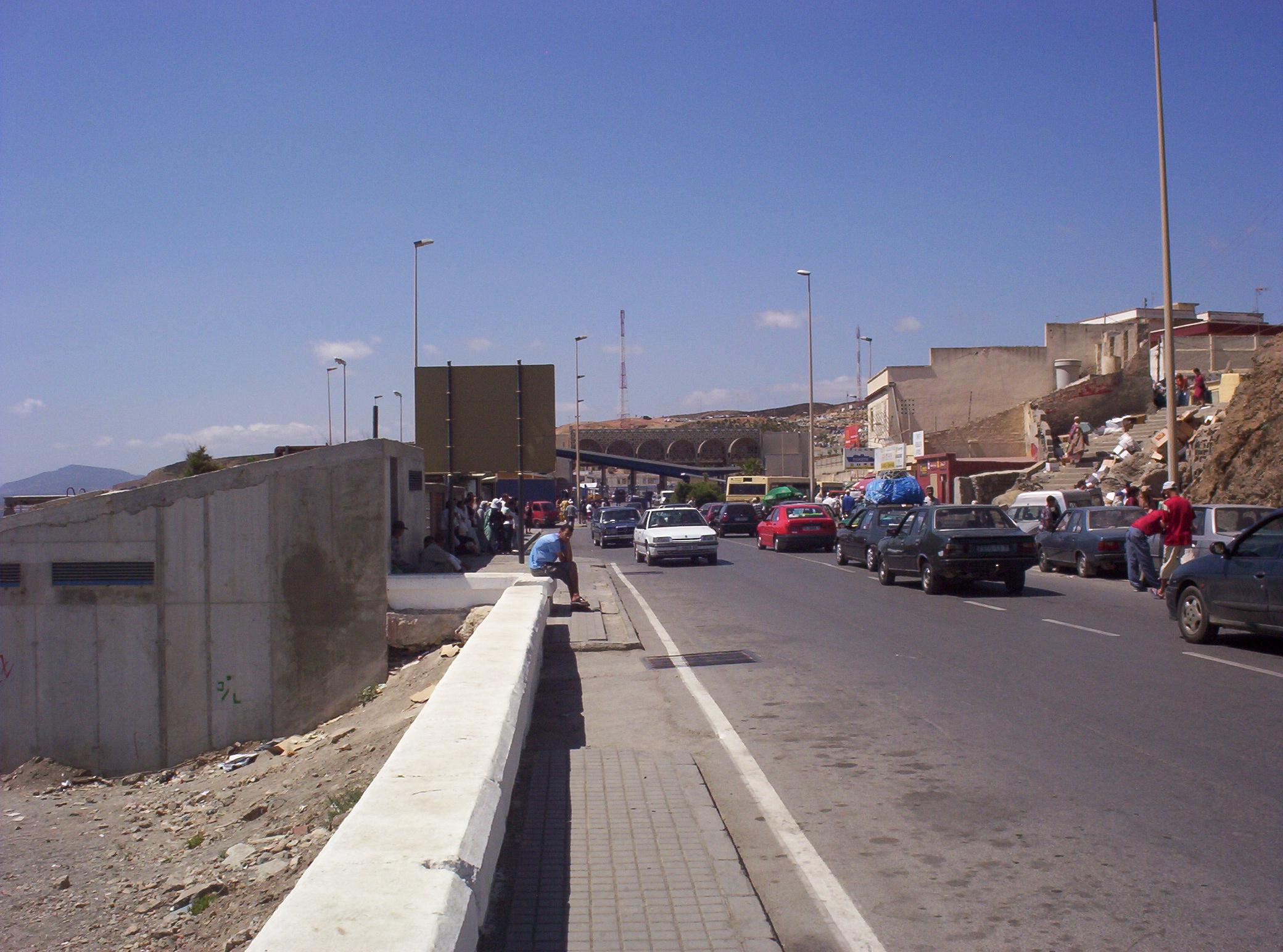
At least 57 to 72 people died after approximately 60,000 migrants surged into the Spanish enclave of Ceuta this week [1], [2], [3].
The scale of the breach represents a significant escalation in border tensions between Spain and Morocco. The event underscores the desperate conditions driving migration in North Africa and the volatility of the border checkpoints in the region.
Spanish authorities deployed military units to control the surge and restore order after thousands of people breached the border. The crossing was described as absolute chaos by witnesses on the ground. Migrants cited hunger, hostility, and broader economic hardship as the primary drivers for their attempt to enter the enclave [4], [5].
Government delegate to Ceuta Miguel Angel Perez Triano provided a high-end estimate of the fatalities. "The latest figure that we have is 72," Perez Triano said [1]. Other reports indicate the death toll may be as low as 57 [2].
Following the initial surge and the subsequent military response, the situation at the border has stabilized. A spokesperson for the Spanish interior ministry said that most of the migrants have already returned to Morocco [6].
The enclave of Ceuta, located on the North African coast, remains a primary flashpoint for migration. The recent surge follows a pattern of irregular crossings where migrants attempt to bypass official checkpoints to reach European territory. Spanish officials have focused on the aftermath of the event, navigating the humanitarian and security consequences of the breach [6].
“"The latest figure that we have is 72."”
The disparity in death toll reports and the rapid return of thousands of migrants to Morocco highlight the difficulty of monitoring irregular border crossings in real time. This event demonstrates how economic desperation in Morocco can lead to sudden, large-scale humanitarian crises that necessitate military intervention to maintain territorial control.


