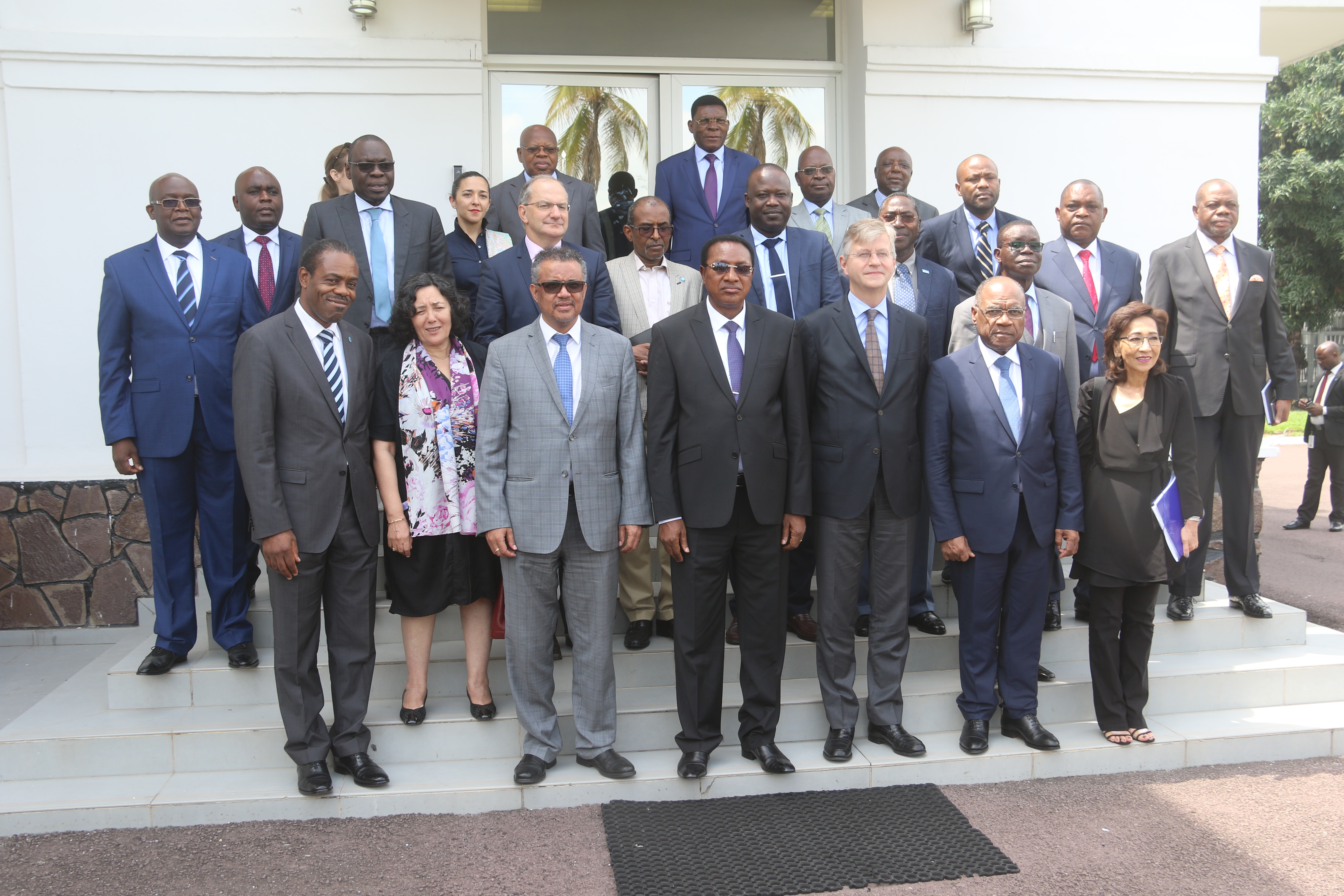
Health authorities are battling an outbreak of the rare Bundibugyo strain of Ebola in the Democratic Republic of Congo and neighboring Uganda.
The crisis is compounded by the rapid spread of health-related misinformation, which officials said is undermining public health measures and worsening the emergency.
In early June 2026, the outbreak was declared a public health emergency of international concern [1]. The virus has centered in Bunia, located in the northeastern Democratic Republic of Congo, and has spread toward the border region of Uganda, including Queen Elizabeth National Park [2, 3].
Medical data indicates a significant gap between suspected and confirmed figures. There are 80 suspected Ebola-related deaths [1], while nine deaths have been laboratory-confirmed [1]. Additionally, hundreds of suspected cases have been reported in the region [2].
To combat the crisis, a local radio station in Bunia has launched a campaign to counter rumors. The station is working alongside Congolese health authorities and the World Health Organization to provide verified information to the public [2].
Officials said misinformation is moving faster than official guidance. This communication gap has hindered the ability of health workers to contain the virus as it moves across borders, a critical challenge in the remote border regions between the two nations [2, 3].
“Misinformation is spreading faster than official information, undermining public‑health measures.”
The emergence of the Bundibugyo strain represents a complex challenge because the crisis is not merely biological but informational. When misinformation outpaces official health directives in regions with limited infrastructure, it creates a trust deficit that can lead to the avoidance of treatment centers and the failure of containment protocols, potentially extending the geographic reach of the virus into Uganda.


