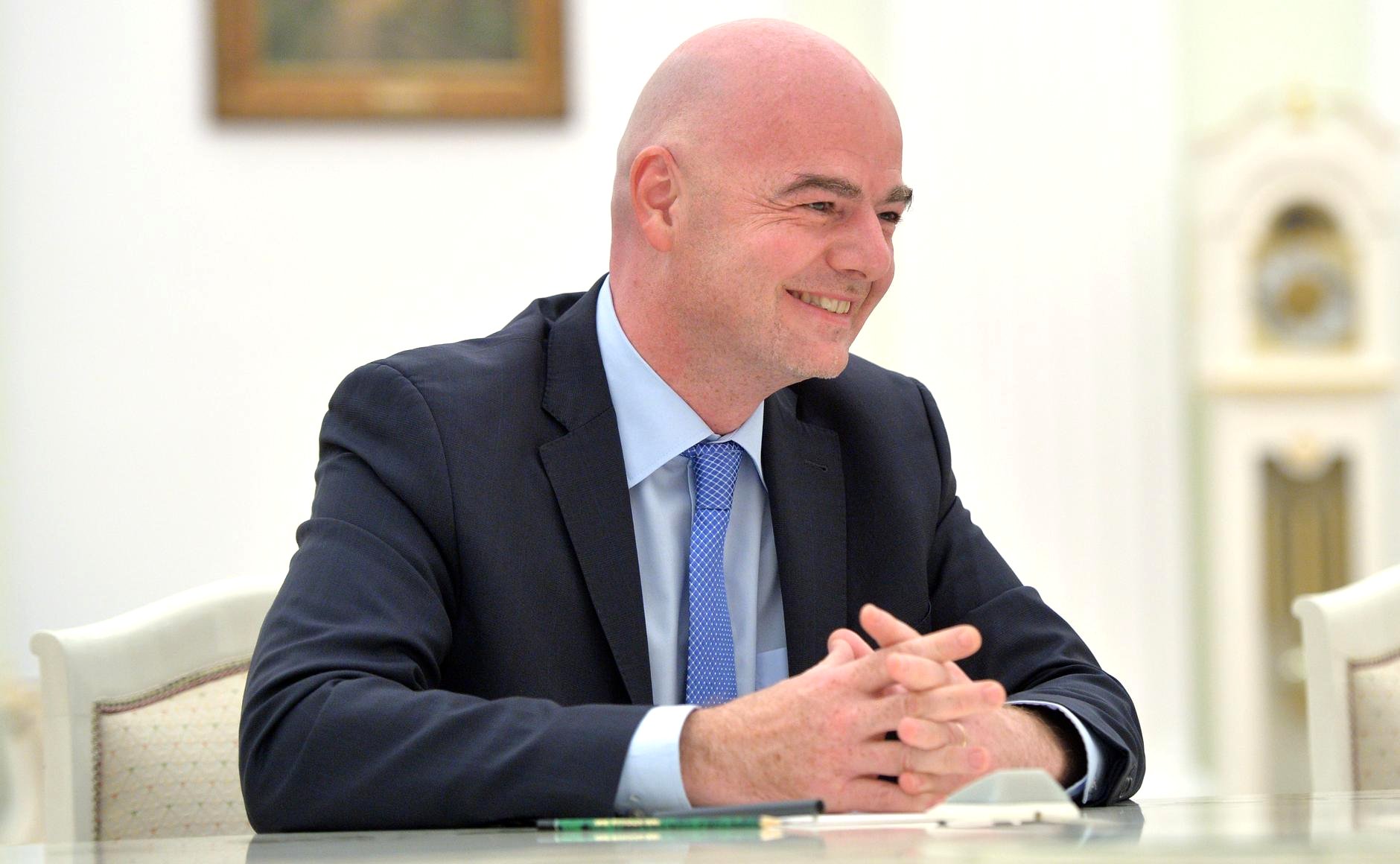
FIFA senior leadership publicly reaffirmed their full support for President Gianni Infantino following a crisis meeting in Morocco on Wednesday [1, 2].
The resolution comes after a failed attempt by Infantino to sell stakes in the commercial and operational rights of the World Cup, a move that threatened to destabilize the organization's internal governance.
The proposal, known as FIFA Forward Enterprise, triggered backlash from major stakeholders including UEFA, AFC, and CONCACAF [3, 4]. These organizations and other stakeholders pushed back against the plan, which led to public calls for Infantino to resign [3, 5].
To address the turmoil, senior officials convened in Morocco this week [2]. The meeting aimed to resolve the dispute and determine the future of the presidency after the commercial rights plan was scrapped [1, 2].
While the FIFA leadership has declared its support, the situation remains tense. Some European nations have indicated that a potential World Cup boycott is still on the table [2]. This ongoing threat keeps Infantino under pressure despite the public show of unity from his immediate colleagues [2].
The controversy centered on the attempt to privatize aspects of the World Cup's operational framework, a shift that critics argued would undermine the current structure of international football governance [4, 5].
“FIFA leadership publicly reaffirmed full support for Infantino after a crisis meeting.”
The public backing of Infantino suggests that FIFA's internal power structure remains intact, but the threat of a boycott by European nations indicates a significant rift between the global governing body and regional confederations. The failure of the FIFA Forward Enterprise plan marks a defeat for Infantino's attempt to aggressively commercialize World Cup operations, signaling that stakeholders are unwilling to trade traditional governance for private investment models.


