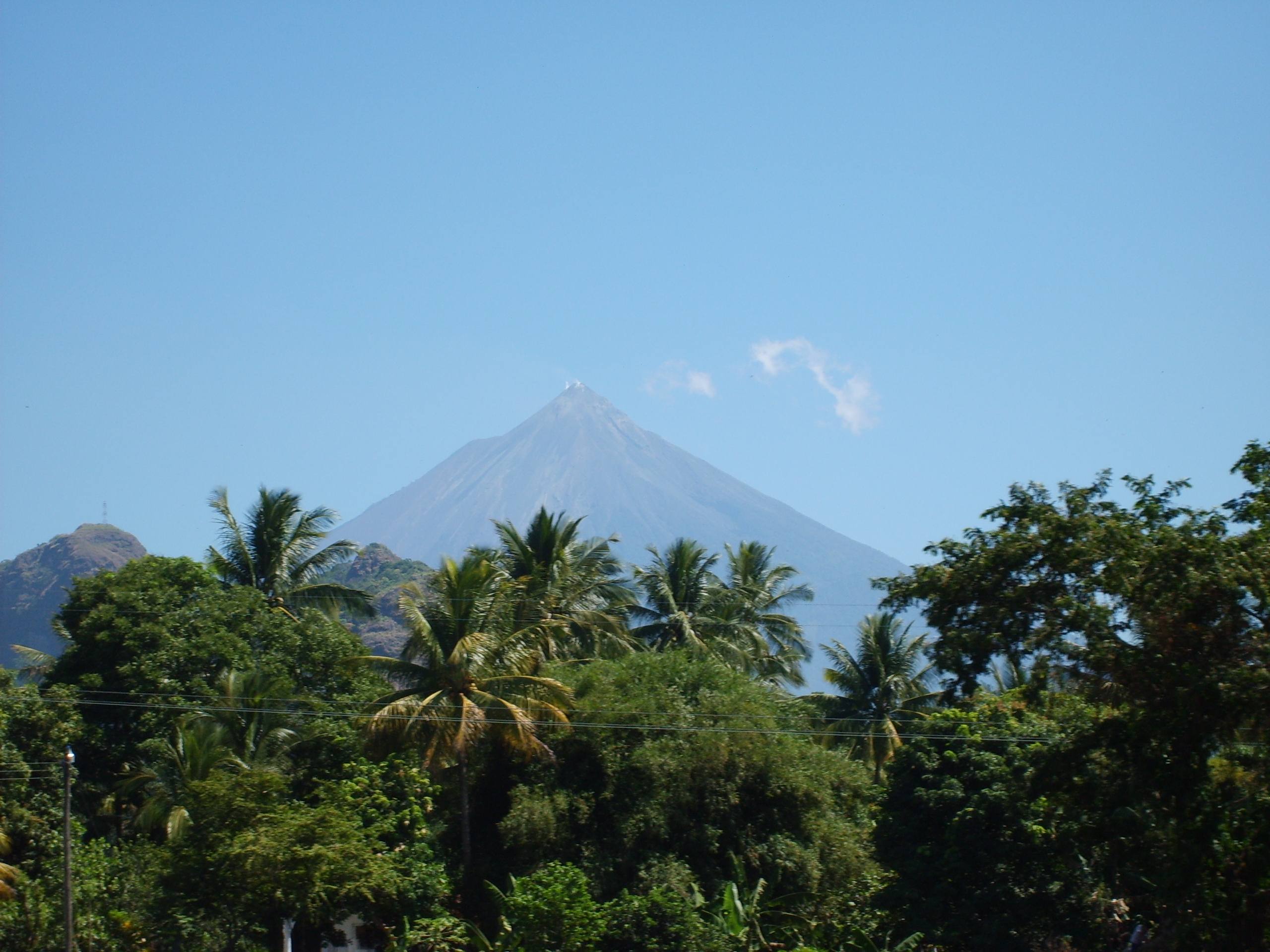
Guatemalan authorities issued a red alert and evacuated residents after the Fuego volcano entered a more explosive eruptive phase on Aug. 3, 2026 [1].
The escalation poses a direct threat to nearby communities due to the potential for pyroclastic flows and heavy ash fall. Because the volcano is located about 50 km southwest of Guatemala City [1], the activity could disrupt regional infrastructure and air travel.
Government officials raised the alert level to red across three regions [1]. This highest level of warning follows the appearance of high lava fountains reaching approximately 500 meters [1]. The eruptive phase has also produced ash clouds that climbed to an altitude of more than 5,000 meters [1].
These ash clouds have shown a horizontal spread of up to 120 km [1]. The combination of ash and mud has forced mass displacements from the surrounding areas. While some reports indicate thousands were moved, other data specifies that 1,700 people have been evacuated [2].
The Fuego volcano is known for its volatile nature, often producing sudden and violent explosions. The current phase is characterized by a significant increase in the volume of ejected material, including pyroclastic flows, that can travel rapidly down the mountain slopes [1].
Emergency teams continue to monitor the situation as the volcano remains active. Authorities said residents in the affected regions should follow evacuation orders to avoid the danger zones established by the red alert [1].
“Guatemalan authorities issued a red alert and evacuated residents after the Fuego volcano entered a more explosive eruptive phase.”
The transition of Fuego into a more explosive phase indicates a period of high geological instability. The horizontal spread of ash over 120 km suggests that the impact extends far beyond the immediate slopes, potentially affecting agriculture and respiratory health in multiple departments. The discrepancy in evacuation numbers highlights the chaotic nature of rapid-onset disasters, though the red alert signifies a critical risk to life.

