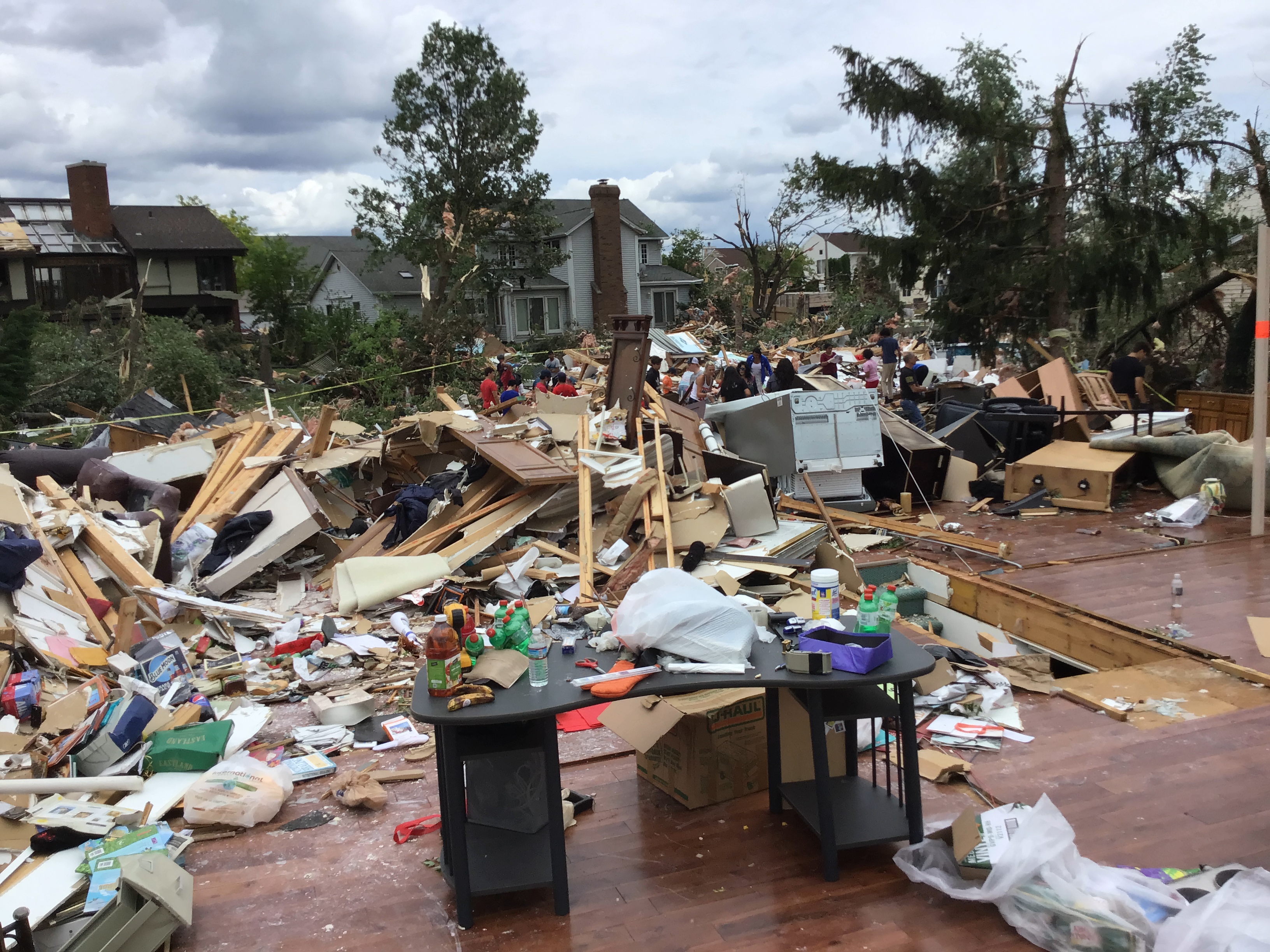
A destructive tornado hurled a tree into a home in southeast Illinois during a severe weather outbreak on Wednesday night [1].
The event highlights the volatility of current weather patterns across the U.S. Midwest and Southeast, where a cluster of supercell thunderstorms created dangerous conditions for thousands of residents.
Witnesses said the sound of the tornado resembled thunder [1]. The storm was part of a larger system of supercells moving east overnight, which produced a series of violent rotations [3].
At least seven tornadoes descended on parts of the Midwest and Southeast during the Wednesday night window [1]. In southeast Illinois, the intensity of the wind was sufficient to uproot large trees and drive them into residential structures [1], [2].
Emergency responders monitored the path of the storms as they progressed through the region. The outbreak resulted in significant property damage across the affected states [2], [3]. Local officials said they continued to assess the full extent of the destruction in the aftermath of the supercell cluster.
Residents in the path of these storms are urged to follow local weather alerts, as supercell thunderstorms can produce rapid-onset tornadoes with little warning. The movement of these systems overnight increased the risk to residents who may not have been alerted by sirens or mobile notifications while asleep.
“The tornado sounded like thunder”
The occurrence of a multi-state tornado outbreak driven by supercell thunderstorms underscores the ongoing risk of high-impact weather events in the U.S. interior. When these systems move overnight, the danger increases due to reduced visibility and the potential for residents to miss critical warnings, necessitating more robust automated alert systems.


