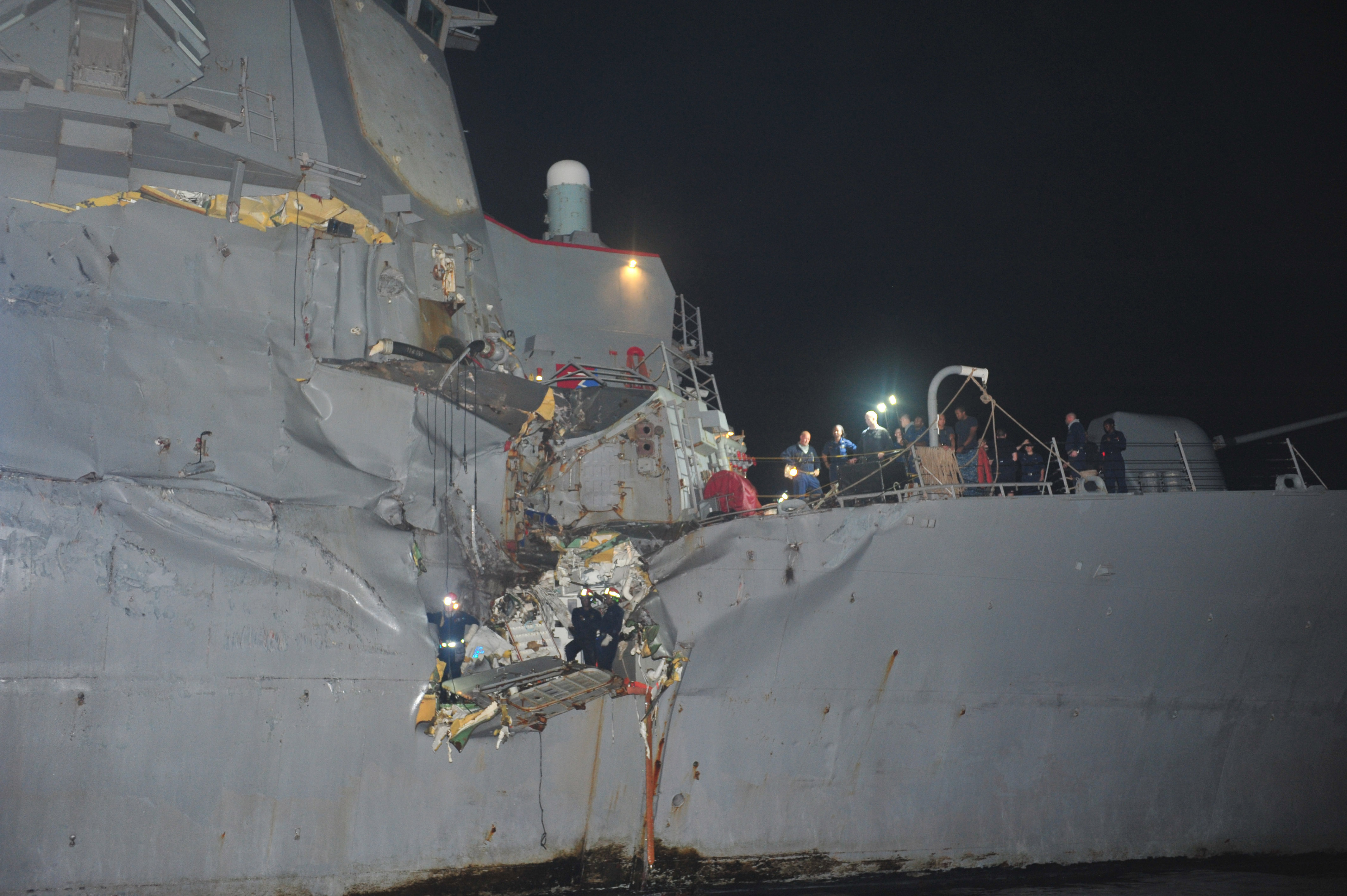
Iranian cruise missiles struck two United Arab Emirates tankers in the southern route of the Strait of Hormuz [1].
The attack targets one of the world's most critical oil transit chokepoints, raising immediate concerns over maritime security and the stability of global energy shipments.
Iran fired two cruise missiles, the Ministry of Defense of the United Arab Emirates said [1]. The weapons hit the tankers identified as the Mombasa and al-Bahiyah [1].
The incident occurred while the vessels were navigating the southern route of the Strait of Hormuz [1]. This specific area of the waterway is located within the territorial waters of Oman [1].
Reports confirm that two tankers were affected by the strike [1]. The use of cruise missiles indicates a coordinated effort to disrupt shipping in the region, a tactic that has historically preceded wider diplomatic or military escalations.
Official statements from the UAE Ministry of Defense detailed the nature of the attack and the identity of the vessels [1]. No further details regarding casualties or the extent of the structural damage to the Mombasa and al-Bahiyah have been provided in the initial reports.
“Iran fired two cruise missiles [1].”
The targeting of commercial vessels in Omani waters suggests a strategic attempt to pressure regional neighbors and signal capability. Because the Strait of Hormuz is essential for the flow of global oil, any kinetic action in these waters typically triggers increased insurance premiums for shipping and heightens the risk of a broader confrontation between Gulf states and Iran.


