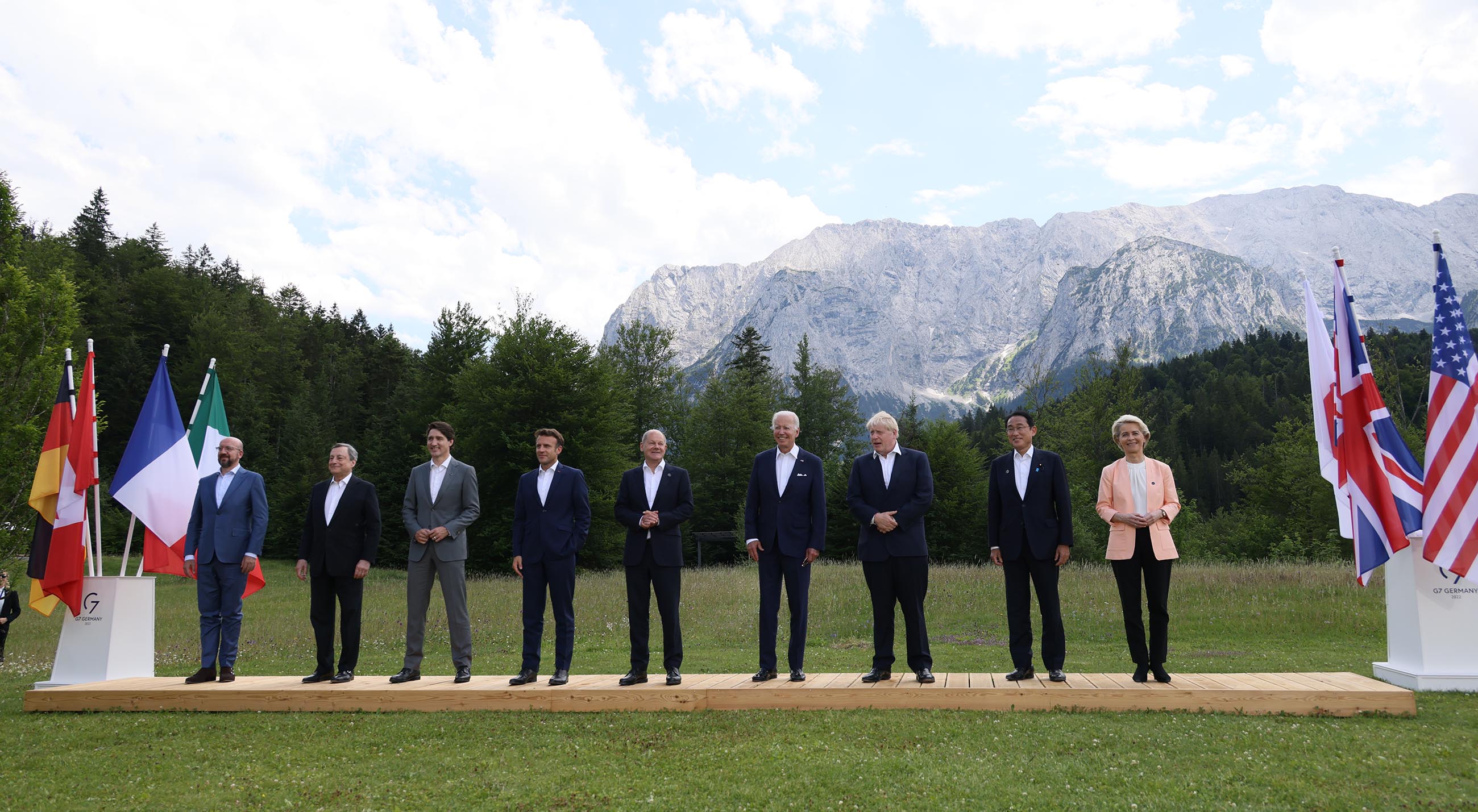
Japanese Prime Minister Takashi and U.S. President Donald Trump held a private bilateral meeting this week at the G7 summit in France.
The meeting serves as a critical diplomatic signal of stability between the two allies amid rapidly shifting geopolitical dynamics in the Middle East. By reaffirming their trust, the leaders aim to present a united front as the U.S. navigates a fragile peace with Iran.
The private discussion lasted approximately five minutes [1]. During the encounter, the leaders exchanged views on a memorandum of understanding between the U.S. and Iran regarding a cease-fire. Prime Minister Takashi expressed support for the agreement, saying he welcomes the fact that the United States and Iran agreed to a memorandum toward the end of hostilities [2].
Beyond the Iran agreement, the two leaders focused on the strength of the bilateral bond. A government official said the meeting allowed them to confirm the trust relationship between Japan and the U.S. [1]. Prime Minister Takashi said the two nations confirmed they would continue to maintain close communication [3].
Despite the focus on regional security, the meeting did not address all potential military contingencies. Officials said that no discussion took place regarding the possible deployment of Japan's Self-Defense Forces to the Strait of Hormuz [1]. This omission suggests that while Japan supports U.S. diplomatic efforts, it is not currently committing additional military assets to the region's primary maritime chokepoint.
The brief nature of the meeting reflects the high-pressure schedule of the G7 summit, yet the specific focus on the Iran memorandum indicates that Japan views the resolution of U.S.-Iran hostilities as a priority for global economic and security stability.
“日米間の信頼関係を確認出来た”
The meeting underscores Japan's strategic alignment with U.S. foreign policy, particularly in the Middle East. By welcoming the U.S.-Iran cease-fire memorandum while avoiding commitments to deploy the Self-Defense Forces to the Strait of Hormuz, Japan is balancing its role as a supportive ally with a cautious approach to direct military entanglement in volatile waters.


