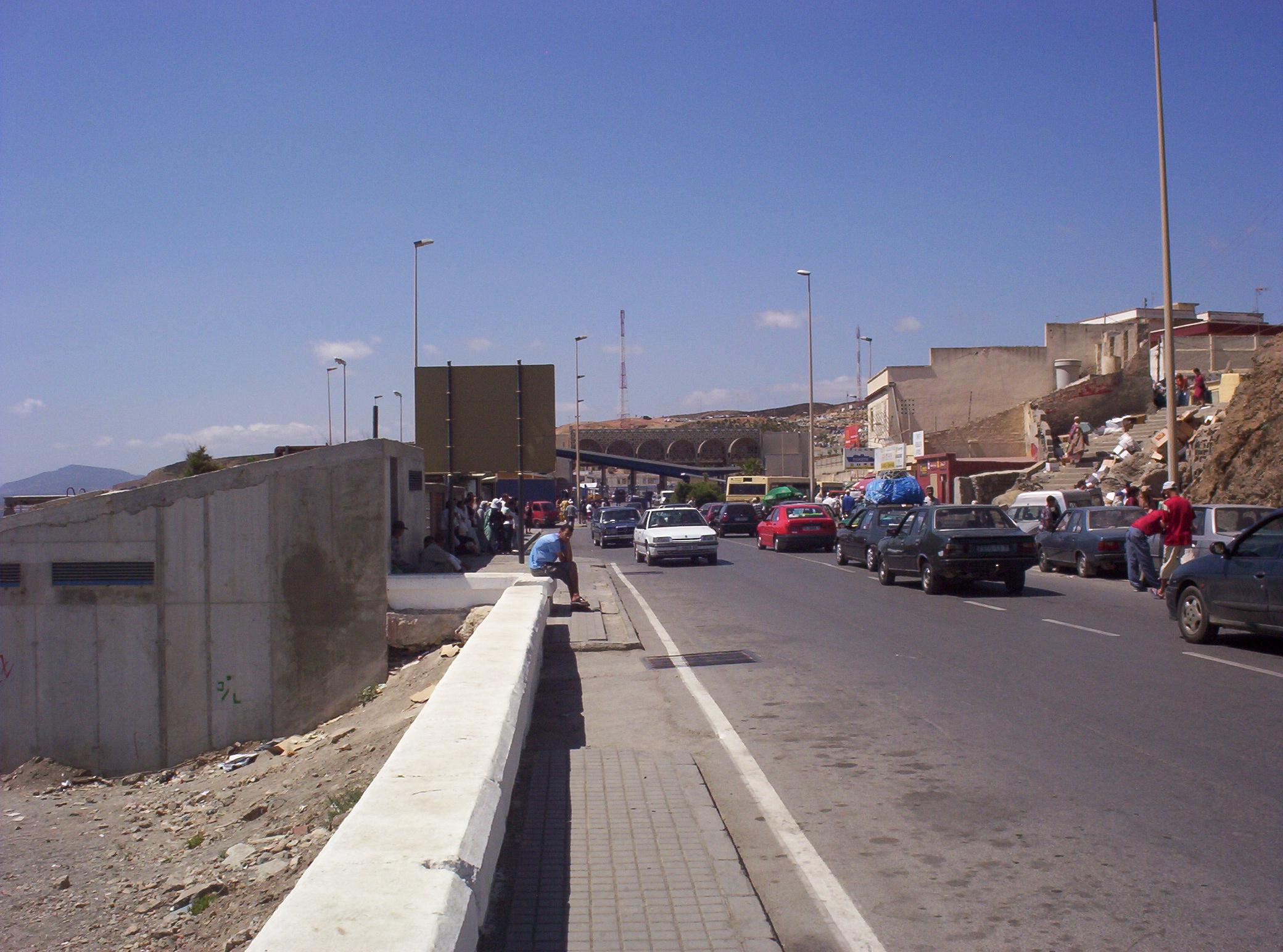
More than 48,300 migrants have voluntarily returned to Morocco after a massive influx into Ceuta, a Spanish enclave in North Africa [1].
The scale of the crossing and the subsequent return operation highlight the extreme instability of the region's borders and the mounting pressure on European Union immigration systems.
The movement into the enclave caused widespread chaos. Reports indicate that at least 57 people died during the journey [3]. The sudden surge of people forced Spanish authorities and EU officials to scramble for a containment strategy to prevent further loss of life and maintain order in the territory.
Fernando Grande-Marlaska said, "We have facilitated the voluntary return of more than 48,000 migrants to Morocco" [2]. While some reports cite the figure as more than 48,000 [2], other records specify the number as over 48,300 [1].
The European Union has pledged its support for Spain in managing the aftermath of the crisis. Ursula von der Leyen said, "The EU stands in solidarity with Spain and will support measures to manage the situation" [2].
Spanish officials managed the return process to de-escalate the situation following the border breach. The operation aimed to reduce the immediate humanitarian strain on the enclave's limited infrastructure, a necessity given the volume of arrivals.
“At least 57 people died during the journey.”
This event underscores the fragility of the migration agreements between Morocco and the EU. The rapid movement of tens of thousands of people into a small enclave demonstrates how quickly border security can be overwhelmed, suggesting that current deterrence measures may be insufficient against massive, coordinated movements.


