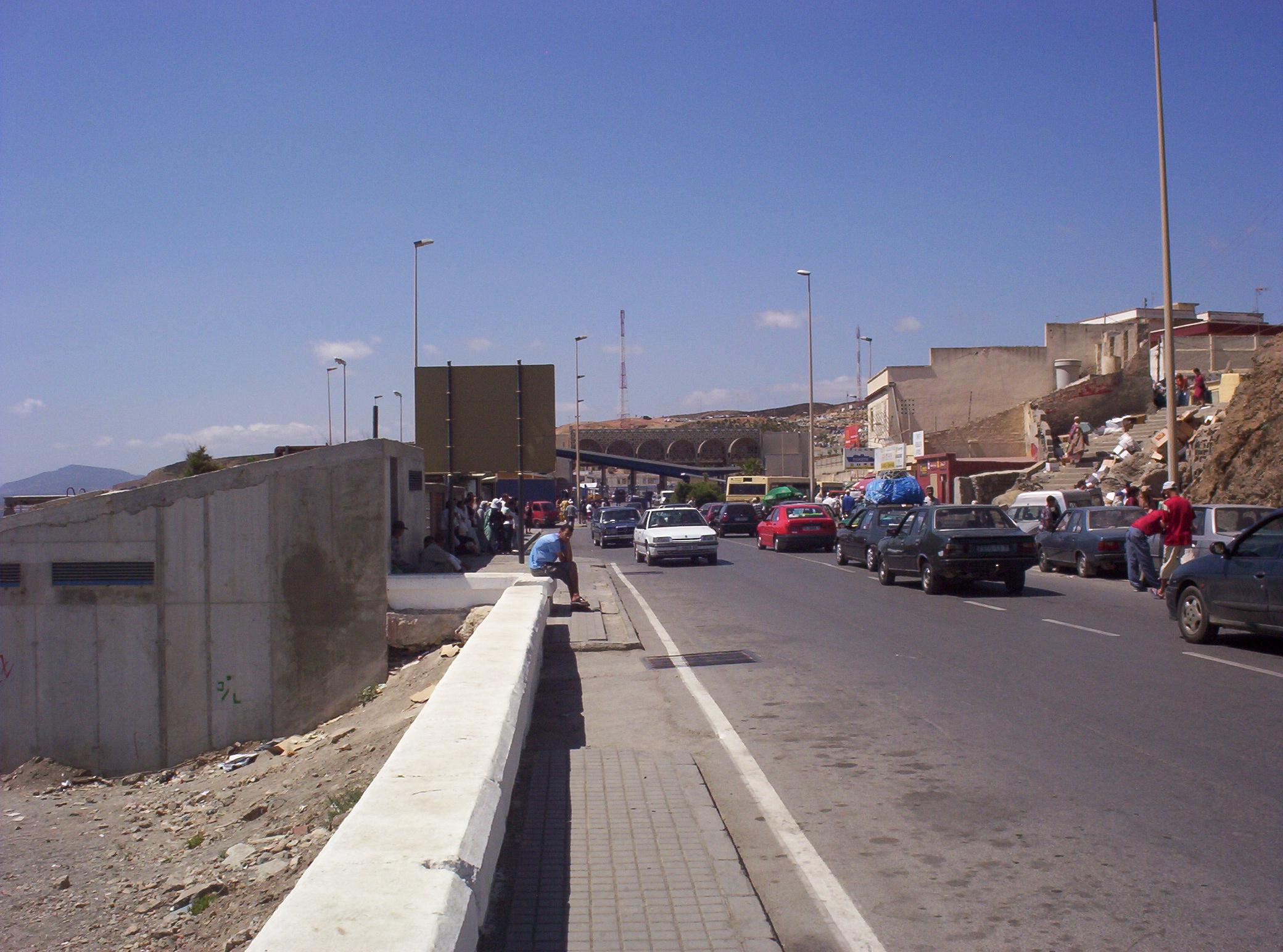
Thousands of immigrants attempted to cross the border between Morocco and the Spanish enclave of Ceuta by swimming on Thursday [1], [2].
This mass movement underscores the ongoing desperation of people seeking entry into the European Union through North African territories. The use of swimming as a means of entry highlights the extreme risks migrants take to bypass border security and fences.
According to reports, the migrants entered the water to navigate the border between Morocco and the Spanish territory of Ceuta [1]. Many of those who attempted the crossing were subsequently rescued by boats operated by the Spanish Civil Guard [1], [2].
The crossing occurred on Thursday, the 30th [2]. Video footage of the event shows large groups of people in the water attempting to reach the shore of the Spanish enclave, a small territory located on the north coast of Africa.
Spanish authorities have deployed rescue vessels to manage the situation and provide assistance to those in the water [1]. The influx of thousands of people [1] creates a significant operational challenge for the Civil Guard and local border security forces tasked with monitoring the perimeter.
Ceuta remains a primary target for those attempting to enter the EU due to its geographic position. While the border is heavily fortified, the maritime approach continues to be a route for those unable to pass through official checkpoints or breach land fences.
“Thousands of immigrants attempted to cross the border between Morocco and the Spanish enclave of Ceuta by swimming.”
The mass attempt to enter Ceuta via swimming illustrates the persistence of migration pressures on the EU's southern borders. By utilizing maritime routes to bypass land fortifications, migrants are accepting higher physical risks, which increases the reliance on Spanish Civil Guard rescue operations to prevent mass casualties during these crossings.